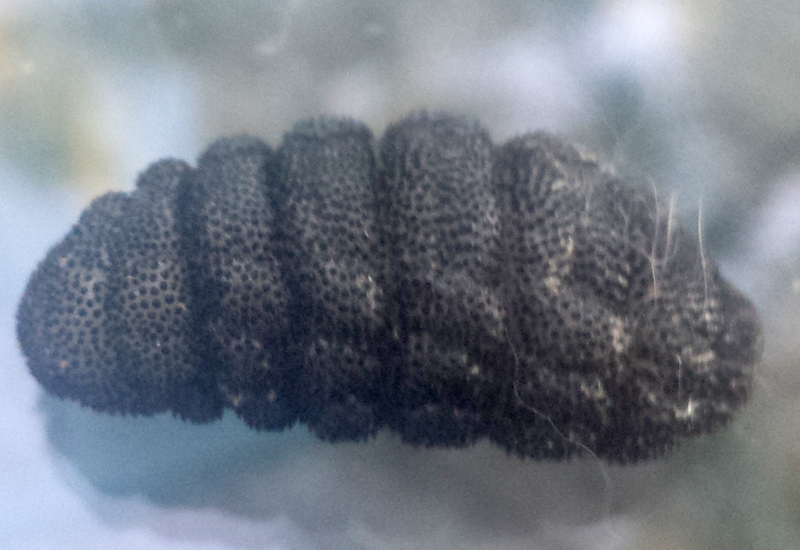
Bot flies are a common concern for horse owners, as their larvae can cause health problems in horses.
The horse stomach bot fly, Gasterophilus intestinalis, is a predominant species found in North America that attacks horses, and can lead to a stomach bot larvae infestation within the animal’s system source.
These flies lay their eggs on the lower forelegs of horses, which then hatch into larvae within five to ten days source.

Once hatched, the larvae make their way into the horse’s mouth and eventually to its digestive tract, causing discomfort and potential health issues.
Aside from horses, bot flies can also impact other mammals as their larvae could live inside a host source.
Proper manure management is essential in controlling bot fly populations and preventing infestations.
By minimizing moist manure surface area and storing manure in a fly-tight area during warm months, horse owners can greatly reduce the risk of bot flies laying their eggs near their animals source.
Bot Fly Life Cycle and Infestation
Life Stages and Reproduction
The bot fly life cycle consists of three stages: egg, larva, and adult.
During the spring and summer months, adult female bot flies lay yellow eggs on the lower forelegs of horses.
The eggs hatch within a few days, allowing larvae to infest the host.
Egg
- Yellow eggs laid on horse forelegs
- Hatch within days
Larva
- Migrate through the horse’s body
- Responsible for myiasis infestation

Adult
- Adult flies emerge in spring and summer
- Lay eggs, starting the cycle anew
Infestation Process
The infestation begins when horses lick or bite the area where eggs are laid. The larvae enter through the horse’s mouth and migrate to the gastrointestinal tract.
Myiasis, the infestation of host skin for larvae nutrition, occurs as the larvae grow inside the host.
Infestation steps
- Horse licks or bites area with eggs
- Larvae enter the horse’s mouth
- Larvae migrate to the gastrointestinal tract
- Myiasis occurs as larvae grow
Migrating Larvae
The migrating larvae cause discomfort and potential health issues for the horse. In some cases, they may even migrate through the lungs or cause blockages in the intestine.
After approximately six weeks, the larvae mature and are expelled from the host.
Larvae effects
- Discomfort and potential health issues
- Possible migration through lungs or intestine blockages
In conclusion, understanding the bot fly life cycle and infestation process can help better manage and prevent myiasis in horses.
Effects of Bot Fly Larvae on Horses
Horse bot flies can cause several health issues in horses.
This section will discuss the impact of bot fly larvae on horses, focusing on the following sub-sections:
Gastrointestinal Issues
- The most common species affecting horses is Gasterophilus intestinalis, which develops in the horse’s stomach1.
- In high numbers, these larvae can cause irritation, ulcers, and colic, leading to appetite loss, weight loss, and diarrhea2.
- In severe infestations, complications can be life-threatening.
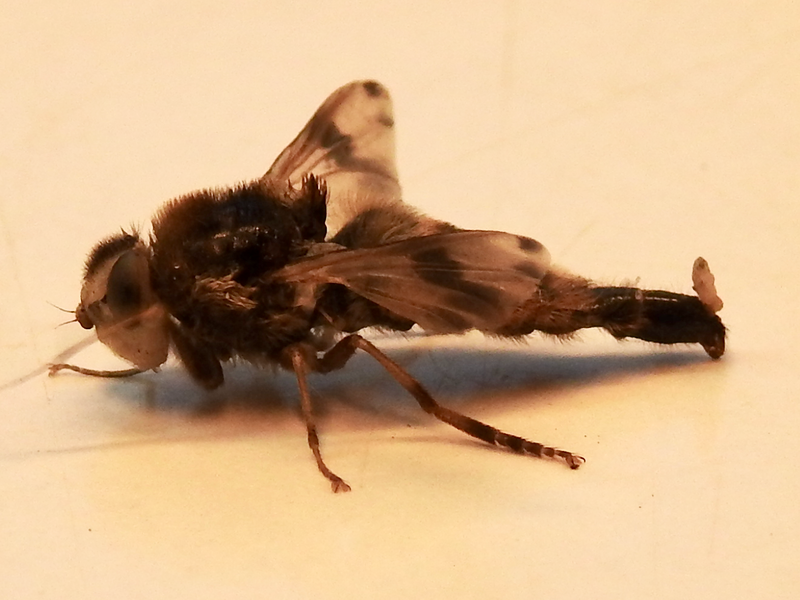
Mouth and Oral Cavity Irritations
- Bot fly larvae can also affect the horse’s mouth and oral cavity.
- G. nasalis, also known as the nose bot, targets the horse’s molars3.
- Some common symptoms include:
- Swollen tongue
- Gum irritation
- Difficulty chewing
Throat and Esophageal Problems
- G. haemorrhoidalis, or the throat bot, mainly affects the esophageal lining4.
- Common issues include:
- Throat irritation
- Esophageal ulcers
- Esophageal paralysis5
Comparison Table:
| Bot Fly Species | Affected Area(s) | Symptoms and Issues |
|---|---|---|
| G. intestinalis | Stomach | Irritation, ulcers, colic, diarrhea |
| G. nasalis | Mouth, molars | Swollen tongue, gum irritation, difficulty chewing |
| G. haemorrhoidalis | Esophagus | Throat irritation, esophageal ulcers, esophageal paralysis |
Bot Fly Larvae in Horse Manure: Detection and Diagnosis
Signs and Symptoms
Detecting bot fly larvae in horse manure may indicate an infestation in your horse. Some of the symptoms include:
- Irritation around the mouth and lips
- Colic signs or digestive upset
- Coughing or respiratory distress
These symptoms may indicate bot fly larvae have entered the horse’s body.
Veterinarian Examination and Diagnosis
To accurately diagnose bot fly infestations, a veterinarian will perform several checks:
- Physical examination: The vet will examine the horse’s mouth, lips, and nose for any signs of irritation or bot fly eggs.
- Fecal examination: The vet will check the horse’s manure for larvae presence.
If the vet detects the presence of larvae, they will recommend appropriate treatment to control the infestation.
| Method | Pros | Cons |
|---|---|---|
| Physical examination | Non-invasive and quick | May not detect larvae in early stages |
| Fecal examination | Directly identifies larvae | May require lab facilities for confirmation |
Remember, early detection is crucial in managing bot fly infestations. By noticing symptoms and seeking veterinarian assistance promptly, you can help prevent more severe issues and improve your horse’s health.

[sc name=”bugquiz” ][/sc]
Treatment and Management
Deworming and Medications
Deworming is an essential part of managing bot fly larvae in horse manure. Horse owners should establish a worming schedule, usually in the autumn, to keep their horses healthy.
Common dewormers include ivermectin and moxidectin, which are effective in eliminating bot fly larvae.
Ivermectin and moxidectin have specific pros and cons:
| Dewormer | Pros | Cons |
|---|---|---|
| Ivermectin | Broad-spectrum treatment, cost-effective | Some resistance, not effective on some worms |
| Moxidectin | Effective against resistant strains, longer-lasting | More expensive, not suitable for all horses |
Prevention Strategies
Prevention is the key to managing bot fly infestations. Some strategies include:
- Regularly inspecting horses for eggs and removing them with a bot knife
- Incorporating manure management to reduce fly development sites
- Ensuring proper timing of deworming treatments
- Providing adequate nutrients for a healthy immune system
Fly Control
Fly control methods can significantly reduce bot fly infestations in horses. Here are some effective methods:
- Using fly sprays, which repel flies and reduce larvae transmission
- Applying fly sheets, which physically prevent flies from laying eggs on the horse
- Implementing fly control measures in the stable, such as proper sanitation and fly traps
A combination of deworming, prevention strategies, and fly control can effectively manage bot fly larvae in horse manure and protect horses from the associated health risks.
Parasitic Infections and Related Health Risks
Internal Parasites and Infections
Horses can be affected by various internal parasites that can lead to infections. Some common internal parasites are:
- Ocular myiasis: Flies lay their eggs in the horse’s eyes, causing inflammation and other issues.
- Intestinal parasites: Worms like roundworms, tapeworms, and strongyles can infect a horse’s gastrointestinal tract, leading to malnutrition and other digestive issues.
Skin and External Parasites
Horses can also be affected by parasites that thrive on their skin or in their excrement, which includes cutaneous myiasis.
This condition occurs when fly larvae infest a horse’s skin, causing itchy, painful wounds.
Moreover, bot flies are attracted to horse manure, and their larvae can mature in the feces or on the horse externally.
This can lead to severe irritation and infection if not properly managed.

Impact on Horse’s Nutrition and Wellbeing
Parasitic infections in horses can have long-term consequences on their overall health, such as:
- Nutritional deficiencies due to internal parasites consuming nutrients
- Weakness and lethargy from decreased nutrient absorption
- Infections and abscesses from open wounds caused by external parasites
| Parasite Type | Impact on Horse’s Health |
|---|---|
| Internal | Malnutrition, digestive issues, poor weight gain |
| External | Skin irritation, infections, potential for internal infestation |
Preventing and managing parasitic infections in horses is crucial for maintaining their overall health and wellbeing.
This can be achieved through regular grooming, promptly removing manure, and providing proper nutrition and veterinary care.
Conclusion
In summary, the common horse stomach bot fly is a parasite that infests horse manure.
The female lays eggs on horses’ lower forelegs, and eventually, the larvae enter through the horse’s mouth.
To reduce bot fly larvae infestations, proper manure management is essential. This includes composting and not overstocking pastures.
Here are some key points to consider:
- Bot flies can infest horse gastrointestinal tracts
- Proper manure management helps control these parasites
- Composting kills weed seeds and fly larvae
Comparing two manure management methods:
| Method | Pros | Cons |
|---|---|---|
| Composting | Locks in nutrients, kills fly larvae | Requires time and effort |
| Spreading | Easier to do | Could lead to more flies and weed growth |
In conclusion, understanding the life cycle of bot flies and practicing good manure management can help prevent infestations on horse farms.
Bot flies can also infect squirrels and household pets like cats.
Footnotes



 St.
St.