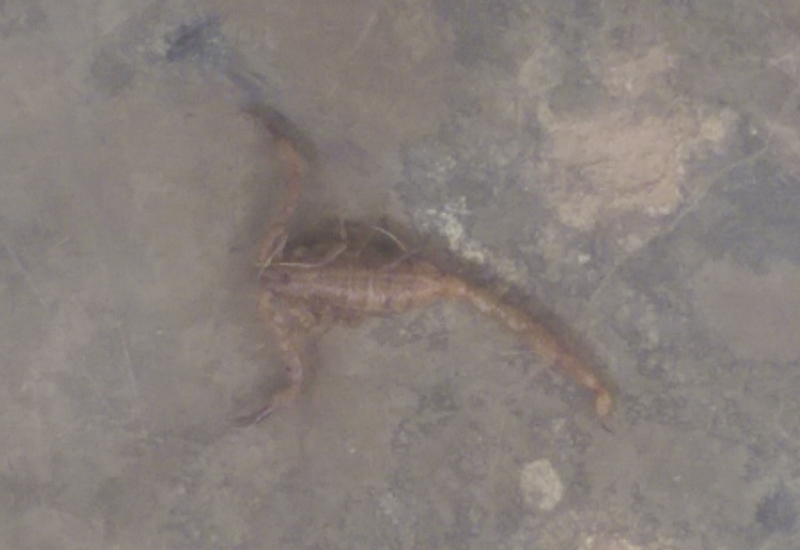
Scorpions are fascinating creatures that many people find intriguing. Their unique appearance and intriguing behavior make them a popular topic of study. One of the questions you might have about these arachnids is where they live.
You’ll find scorpions in various environments across the globe. They are most commonly found in deserts but can also thrive in grasslands, savannas, and even some forests. These adaptable creatures can be found on every continent except Antarctica, making them incredibly widespread.
In their habitats, scorpions typically seek shelter in burrows, under rocks, or in crevices. These spots provide protection from predators as well as a hiding place during the day. At night, scorpions venture out to hunt for their prey and find a mate. So, if you ever wondered where scorpions call home, now you know they reside in diverse environments across the world.
General Information About Scorpions
Scorpions are fascinating creatures that belong to the class Arachnida. They are invertebrates and share this class with other arachnids such as spiders and ticks. The group of scorpions specifically falls under the order Scorpiones.
These creatures have some unique features that make them stand out. For instance, they have:
- Eight legs
- Two large pincers (pedipalps)
- A segmented tail with a venom gland and a stinger
Scorpions can be found in various habitats across the globe, including deserts, forests, and grasslands. They have adapted well to their environments and even thrive in harsh conditions.
As an example, the striped bark scorpion is native to Missouri and can be found in dry, warm, rocky areas. Similarly, the most common species in Oklahoma is about two inches long and can also be found in a range of habitats.
In terms of reproduction, scorpions are known for their unique method. They give birth to live young, instead of laying eggs like insects do. A scorpion can have as many as 100 babies in a single brood.
So, now you know a bit more about these fascinating arachnids. Just remember to keep your distance when you encounter them in the wild, because their stingers can pack quite a punch!
Scorpion Habitats
Desert Habitats
Scorpions are mostly found in dry, desert areas. Their preference for sandy and arid regions makes deserts in North America, Africa, and Southwest United States excellent habitats for them. For example, the arid regions of Mexico and the southern parts of the United States are suitable environments where different scorpion species thrive.
Some scorpions live in the deserts of Australia and South America, adapting to the harsh climate and sandy landscape. These species have certain features that help them adapt to desert life:
- Specialized exoskeletons to reduce water loss
- Nocturnal lifestyles to avoid extreme heat during the day
- Efficient burrowing skills to stay cool and hide from predators
Forest Habitats
Although many scorpions are native to desert regions, some species find their homes in forests and grasslands. They prefer hiding under rocks, logs, or leaves, typically being active during the night while hiding from the sunlight during the day.
Here’s a comparison of desert scorpions and forest scorpions:
| Characteristics | Desert Scorpions | Forest Scorpions |
|---|---|---|
| Preferred Habitat | Arid, sandy landscapes | Forests, grasslands, and caves |
| Climate | Hot and dry | More varied, sometimes humid |
| Adaptations | Strong burrowers, nocturnal | Blends with leaf litter, nocturnal |
Urban Habitats
Scorpions aren’t limited to just natural habitats; they can also be found in urban areas. Human dwellings, such as buildings and other human-made structures, can provide adequate shelter and warmth for scorpions. For instance, the striped bark scorpion in Missouri can sometimes be discovered within homes, under piles of wood, and among garbage.
When living in urban habitats, scorpions benefit from:
- Access to a wider variety of prey
- Shelter in human-made structures
- Increased chances to find mating partners
However, there are a few cons in urban environments:
- Increased exposure to human activities
- Potential for more predators
- Loss of natural habit due to urban expansion
Scorpion Anatomy
Body Structure
Scorpions have a unique body structure made up of two main parts: the cephalothorax and the abdomen. Their exoskeleton is tough and made of a protein called chitin, which provides protection and support for their bodies. Scorpions have eight legs, like other arachnids, and an additional two sensory appendages called pedipalps near their mouths.
Tail and Sting
The tail of a scorpion is made up of several segments that end in a sharp, curved stinger. This stinger is used to inject venom into their prey or defend against predators. The venom can cause immense pain and, in some cases, be lethal to humans, though usually only for those who are allergic. The tail is usually raised in an arch over the body, ready to strike when needed.
Claws and Pincers
Scorpions have powerful claws called pedipalps that they use for capturing prey and as weapons. These claws, resembling pincers, allow scorpions to grasp their prey and hold it while they deliver a lethal sting. Additionally, scorpions can use their pedipalps to help manipulate objects in their environment or navigate through tight spaces.
Remember, scorpions are fascinating creatures with unique anatomical features suited to their arid or rocky habitats. Learning about their anatomy can help you understand their behavior and ecological role. Stay curious and enjoy exploring the world of scorpions!
Venom and Predation
Scorpions as Predators
Scorpions are known to be skilled predators. They mostly rely on their powerful venom to subdue and kill their prey. Their diet mainly consists of insects, spiders, and even other scorpions. Bark scorpions, for example, are venomous and particularly skilled in capturing prey despite their small size.
Typically, scorpions ambush their prey using their specialized pincers to hold it in place. Then, they deliver a deadly injection of venom with their stinger. Their venom contains a complex mixture of compounds, some of which have numerous pharmacological properties1.
Scorpions as Prey
Even though scorpions are fearsome predators, they can also become prey for a variety of larger creatures. Vertebrates such as snakes, birds like owls and hawks, and even some mammals like bats and coyotes, are known to prey on scorpions. Centipedes, which are invertebrates, can also feed on them.
However, the act of predation is not without its risks for the hunters. They must deal with the potentially deadly sting from their prey. Scorpions use their venom to not only hunt but also to protect themselves from other predators2.
In conclusion, scorpions play a dual role in their ecosystems as both predators and prey, showcasing the diversity and complexity of the relationships within their natural habitats.
Scorpion Behavior
Reproduction
Scorpions reproduce sexually, involving a unique mating dance called the “promenade à deux.” Females give birth to live young called scorplings, which they carry on their back until the first molt. Some species may produce 20-30 offspring or more in a single brood. A few examples include:
- Emperor Scorpion: Known for giving birth to around 9-32 scorplings
- Arizona Bark Scorpion: Usually gives birth to 25-35 scorplings
Adaptation
Scorpions show remarkable adaptability to their environments. They can endure harsh conditions like deserts and live in various habitats from forests to grasslands. Key adaptations include:
- Burrowing: Scorpions dig burrows in the soil to escape extreme temperatures or predators
- Exoskeleton: A tough, outer layer that helps them to retain water and protect against predators
Scorpions have developed sensory adaptations like tiny hairs on their body to detect vibrations around them. This helps them locate prey and avoid dangers.
Nocturnal Activity
Scorpions are nocturnal creatures, meaning they are active at night. They do this to stay cool, escape predators, and hunt prey efficiently. When searching for food, they rely on their sensitive pincers and tails to capture and subdue the prey.
To give you an idea, here’s a comparison table showing two common scorpion species and their nocturnal activities:
| Scorpion Species | Diet | Preferred Temperature for Activity |
|---|---|---|
| Emperor Scorpion | Insects, small mammals | Around 75°F |
| Arizona Bark Scorpion | Insects, small spiders | Above 75°F |
By being nocturnal, scorpions reduce competition with other predators and increase their chances of survival. So, when you’re exploring scorpion habitats, remember to be cautious at night, as they are more likely to be active during that time.
Scorpion Species
Commonly Known Scorpions
You might have encountered a few scorpion species, but there are actually over 1,500 different species of these fascinating creatures. They inhabit every continent except Antarctica, and can be found in various types of habitats. One noteworthy species is the bark scorpion, named for their tendency to reside under tree bark or in crevices.
Another intriguing species you may find is the Isometroides vescus, also known as burrowing spiders. These scorpions prefer to dig burrows in sandy soil, hiding from potential predators.
Dangerous Scorpions
While numerous scorpion species exist, not all of them are dangerous. However, the Arizona bark scorpion is one you should be cautious of. This venomous species has a potent sting, which is usually not fatal but can cause intense pain and discomfort.
Here’s a brief comparison between two scorpion species:
| Scorpion Species | Length | Habitat | Danger Level |
|---|---|---|---|
| Bark Scorpion | 2.5-3.5 inches | Tree bark, crevices | Low to Medium |
| Arizona Bark Scorpion | 2-3 inches | Desert, rocky regions | High |
When encountering scorpions, it’s essential to familiarize yourself with their characteristics:
- Size: Scorpions can range from less than an inch up to 8 inches in length.
- Color: They come in a variety of colors, including tan, brown, and black.
- Pincers: Scorpions have two large pincers used for catching prey and defense.
- Tail: The tail contains the scorpion’s venomous stinger, which can be harmful to humans in some species.
Remember, while some scorpions may pose a threat, most species are harmless and play essential roles in the environment.
Scorpions and Human Interaction
Scorpions in the Home
Scorpions can sometimes be found in homes, especially in areas where they naturally occur. They may enter your house through cracks and crevices, windows, doors, and pipes, seeking shelter and food. To keep scorpions out, seal cracks and ensure that windows and doors are tightly closed. Inside your home, scorpions often hide in dark, cluttered spaces, such as:
- Logs and boards
- Caves
- Beneath clutter or debris
Scorpions are attracted to places with high temperatures and are more active at night. They prey on small insects, like ticks and mites, which can be found in areas with clutter and dampness.
Scorpion Stings and Medical Treatment
Getting stung by a scorpion can be harmful, especially to children and pets. Always be cautious when reaching into hidden areas and check your shoes before putting them on. If you are stung, you might experience symptoms like:
- Pain and swelling
- Numbness and tingling
- Difficulty breathing
If you experience any of these symptoms, seek medical treatment immediately. Not all scorpion stings are life-threatening, but it’s a good idea to get checked out just in case. To reduce your risk of being stung, take precautions like:
- Wearing gloves when handling logs or boards
- Shaking out shoes before wearing
- Keeping clutter to a minimum
By staying vigilant and implementing these preventative measures, you can help protect yourself and your loved ones from harmful interactions with scorpions.
Conclusion
Scorpions are versatile creatures, inhabiting a wide range of environments. For instance, they can be found in dry, desert areas, as well as grasslands, forests, and even inside caves. Central America hosts several species, including some that live in trees. Your encounters with these arachnids will depend on the specific habitat you explore.
You might observe that scorpions protect themselves with potent venom, used for both self-defense and capturing prey. However, remember that the severity of their sting varies across species. Be cautious while exploring their natural habitats, such as soil, under rocks, and in mountains, as they tend to hide during the day, coming out to hunt at night.
Furthermore, scorpions play a vital role in their ecosystem by preying on other insects and small animals like lizards. You can admire their resilience, as they have been on Earth for over 350 million years and can adapt to different climates and environments. Always be respectful of their presence and maintain a safe distance while observing them in their natural habitat.
Footnotes