Cockroaches are notorious household pests that can be found all over the world. They come in various shapes and sizes, each with unique features and behaviors. In this article, we will explore some common types of roaches that you may encounter in your home or surroundings.
The German cockroach is one of the most frequently seen species, especially in the United States. Recognizable by its tan to light brown color and two dark brown stripes on its body, these roaches can be a major nuisance in homes and food-handling areas.
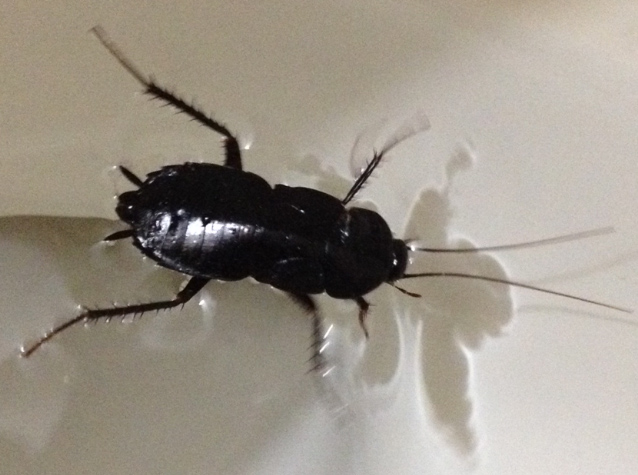
Another type of roach to be aware of is the Oriental cockroach, commonly referred to as a “waterbug.” This species is larger and darker in color compared to the German cockroach, with adult males having short wings while females lack wings entirely. They are typically found outdoors, but can also make their way inside buildings and cause infestations. Understanding the different types of cockroaches and their characteristics can help you better address and prevent potential infestations.
Understanding Cockroaches
Cockroaches are insects that have been around for millions of years. They are known for their persistence and adaptability, making them difficult to control. In this section, you’ll learn about the different species of cockroaches and their characteristics.
There are thousands of cockroach species in the world, but only a few of them are considered pests. The most common species found in the United States is the German cockroach. This species is tan to light brown, measures about 1/2 to 5/8 inch long, and has two dark brown stripes on its body. They reproduce quickly, with females producing four to eight egg capsules during their lifetime.
Other common cockroach species include the American, Oriental, and Brown-banded cockroaches. These species vary in size, color, and habitat preferences, but they all share some common characteristics:
- They are nocturnal creatures, hiding during the day and becoming active at night to search for food.
- Cockroaches are omnivorous and will eat almost anything, including decaying organic matter, food scraps, and even glue or soap.
- They prefer warm, moist environments, often found near kitchens, bathrooms, and laundry areas.
- Cockroaches can contaminate food, preparation surfaces, dishes, and eating utensils, potentially causing food poisoning or gastrointestinal disorders.
It’s important to note that not all cockroach species are considered pests. Some, like the wood cockroaches, live outdoors in forests and feed on decaying organic matter. They may end up indoors accidentally during the summer but are not typically a threat to your home.
Here’s a comparison table to help you understand the differences between these common pest cockroach species:
| Species | Size | Color | Habitat |
|---|---|---|---|
| German | 1/2-5/8″ | Tan/light brown | Warm, moist areas; indoors |
| American | 1 1 |
Common Types of Roaches
German Cockroach
The German Cockroach is one of the most common cockroaches found in the United States, with a size of 12 to 17 mm long. They are tan to light brown and have two dark brown stripes on their body behind the head. Some features include:
- Females produce four to eight egg capsules in their lifetime
- Typically infest human-made buildings such as restaurants and hospitals
American Cockroach
You might find the American Cockroach in hot, damp areas of your home, like basements and sewer pipes. These roaches are about 1.5 inches long, reddish-brown, and have a yellowish edge on the pronotum.
Brown-Banded Cockroach
Brown-banded cockroaches are about half an inch long and tan in color. They are known for having a preference for warm and dry places, typically found in higher spots like cabinets and ceilings.
Oriental Cockroach
Often referred to as a “waterbug,” the Oriental Cockroach is a large, dark brown or black insect. Males have short wings, while females are wingless. They prefer cool, damp conditions and can often be found in wet basements.
Smokybrown Cockroach
Smokybrown cockroaches are similar in appearance to American cockroaches, but with an even darker, mahogany color. They like living outdoors, but can sometimes enter houses when searching for food and water.
Asian Cockroach
Asian cockroaches look almost identical to German cockroaches, but they have the unique ability to fly. They tend to be attracted to light and live outdoors, usually in mulch or grassy areas.
Australian Cockroach
The Australian cockroach is about an inch long, reddish-brown in color, and has yellow markings on both its pronotum and wings. They primarily dwell outdoors, but may invade homes in search of food.
Florida Woods Cockroach
Also known as the Palmetto bug, Florida Woods cockroaches are large, dark brown, wingless cockroaches that prefer to live in damp, wooded areas. When disturbed, they can release a foul-smelling liquid as a defense mechanism.
Turkestan Cockroach
Turkestan cockroaches are about an inch long, with males being reddish-brown and females being dark brown or black. They are often found in sewers and water meter boxes, and can quickly infest buildings if introduced.
Surinam Cockroach
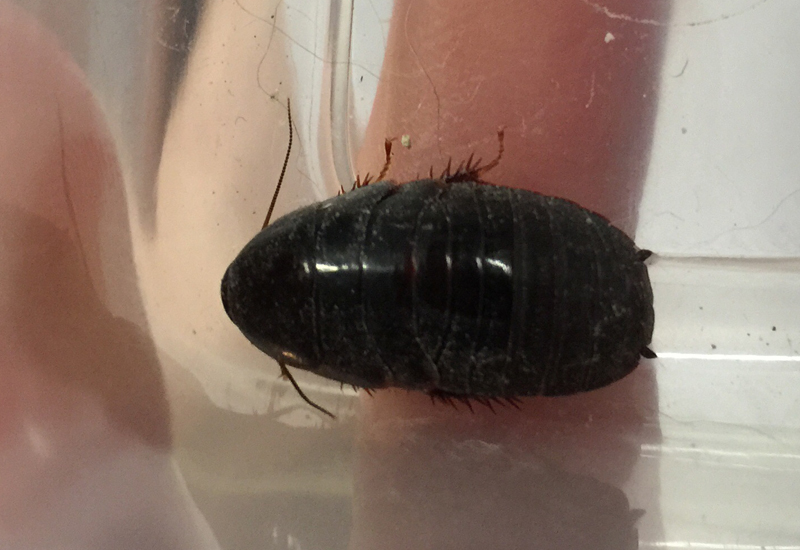
Surinam cockroaches are shiny, black or dark brown creatures, about 1 inch long. They prefer greenhouse-like environments, making them a common pest in potted plants and greenhouses.
Pennsylvania Wood Cockroach
Pennsylvania Wood cockroaches are up to an inch long and are dark brown in color. As their name suggests, they prefer moist, wooded habitats, typically living under the bark of trees and logs.
Sand Cockroach
Sand cockroaches are small, pale brown insects that prefer living in sandy soils. They are mostly nocturnal, coming out at night to feed on roots and decaying vegetation.
Green Cockroach
Green cockroaches are rarely seen and are not considered pests. They have a unique, greenish color and live in tropical environments.
Roach Habitats and Infestation Areas
Southeast Region
In the Southeast United States, cockroach infestations are common due to the region’s warm, humid climate. Common habitats include:
- Kitchens and bathrooms: Areas with water and food sources
- Garbage: Roaches feed on organic matter found in trash
- Sewers: They thrive in moist, dark environments
For example, Florida’s tropical climate is ideal for roaches. To prevent infestations, seal cracks and clean regularly.
Midwest Region
In the Midwest, roaches prefer habitats with moisture and warmth. They tend to be found in:
- Commercial buildings: Restaurants and offices with food and water sources
- Gardens: Roaches can live among plants and mulch
- Laundry rooms: Moisture from appliances provides ideal conditions
To keep roaches away, maintain clean surroundings and remove water sources.
Northeast Region
Cockroach infestations in the Northeast Region are often found in urban areas. Some common habitats include:
- Apartment buildings: Shared walls allow roaches to move easily
- Restaurants: Food and moisture sources in commercial kitchens
- Trees: Roaches may inhabit tree holes or cracks
Sealing cracks and maintaining clean living spaces are critical in preventing infestations in this region.
Texas
In Texas, roaches are prevalent due to its hot and humid climate. Typical habitats include:
- Bathrooms and kitchens: Areas with nearby water fixtures
- Sinks and drains: Roaches are attracted to the moisture and food particles
- Cracks and crevices: They can easily hide and reproduce in small spaces
To reduce the likelihood of infestations, keep your home clean and dry, and seal potential entry points.
Comparison table:
| Region | Common Habitats | Preventive Actions |
|---|---|---|
| Southeast | Kitchens, bathrooms, garbage, sewers | Seal cracks, clean regularly |
| Midwest | Commercial buildings, gardens, laundry rooms | Clean surroundings, remove water sources |
| Northeast | Apartment buildings, restaurants, trees | Seal cracks, maintain clean living spaces |
| Texas | Bathrooms, kitchens, sinks, drains, cracks | Clean and dry, seal entry points |
Physical Features of Roaches
Flying Cockroaches
Generally, roaches have wings, but not all are proficient flyers. Some species, like the flying cockroach, can take off and navigate short distances. You might be surprised by their size, as flying cockroaches can range from 12 to 17 mm in length. Their appearance is quite similar to the common German cockroach, with coloration ranging from tan to light brown and bearing two dark brown stripes on their body region just behind the head.
Roaches can adapt to various temperature conditions, and due to their ability to fly, they’re often mistaken for other insects, such as the water bug, black beetle, or fliers. In fact, flying cockroaches might catch your attention if attracted to light.
Examples of flying cockroach species:
- American cockroach
- Asian cockroach
- Wood cockroach
Comparison Table: Non-Flying vs. Flying Cockroaches
| Characteristic | Non-Flying | Flying |
|---|---|---|
| Wings | Usually present | Present |
| Flight ability | Limited or none | Can fly short distances |
| Attracted to light | Rarely | More common |
| Size | Varies | 12 to 17 mm |
| Appearance | Similar to flying | Similar to non-flying |
Cockroaches Attracted to Light
Cockroaches are mainly nocturnal creatures, but some are attracted to light. This behavior might cause them to seek shelter indoors, where artificial lights can attract them. Asian cockroaches are a prime example of light-loving roaches, which can become invasive pests in your household.
Here’s why their light attraction can be an issue:
- Increases the risk of disease transmission: Roaches, in general, can carry diseases from their waste or bacteria on their body, so having them near your living spaces can put your health at risk.
- Intrusion into your home: Light-loving roaches are more likely to enter your home and infest dark, secluded areas, making it harder to eradicate them.
In conclusion, understanding the physical features of roaches can help you better identify and address potential infestations. By being aware of their size, appearance, and flying ability, you can take appropriate measures to keep your home roach-free.
Less Common Types of Roaches
Brown Cockroach
The Brown Cockroach is a less common type of roach often found in urban environments. They are slightly larger than their cousins, the German cockroach. Here are some characteristics of the Brown Cockroach:
- Dark brown to black color
- Approximately 1.2 inches in length
Water Bug
Water Bugs, or Oriental cockroaches, are often mistaken for roaches due to their similar appearance. These insects thrive in damp environments, such as basements and sewers. Some features of Water Bugs include:
- Shiny black or dark brown body
- Approximately 1 inch in length for females, 0.8 inches for males
Drains Cockroach
The Drains Cockroach resides primarily in drainage systems, making them a less common sight in most households. They prefer dark and damp areas. Key characteristics of Drains Cockroach are:
- Brownish color
- Usually smaller in size, around 0.5 inches
Smoky Brown Cockroach
The Smoky Brown Cockroach is a less frequently encountered species, often found in southern states. They prefer warm and humid conditions. Notable features include:
- Dark brown or mahogany color
- Approximately 1.5 inches in length
Palmetto Bug
Palmetto Bugs are a general term for large roaches, usually referring to the American cockroach. They can be found in warm, humid environments. Features of Palmetto Bugs are:
- Reddish-brown color
- Can be up to 2 inches in length
Woods Cockroach
The Woods Cockroach lives outdoors in wooded/forested habitats and feeds on decaying organic matter. They are common in the Northeast and can be a nuisance when they accidentally invade homes. Characteristics of Woods Cockroach include:
- Light brown to tan color
- Approximately 0.5 to 1 inch in length
By understanding these less common types of roaches, you can better identify and tackle any potential infestations in your home or property.
Roach Prevention and Infestation Management
Managing a roach infestation can be challenging, but with the right strategies, you can prevent and control these pesky insects. Here are some tips for roach prevention and infestation management.
First and foremost, maintain a clean living environment. Roaches thrive in cluttered, dirty spaces, so regularly removing garbage and keeping food in sealed containers will help deter them. To further prevent infestations:
- Clean up spills and crumbs immediately
- Seal any cracks or gaps in walls and windows
- Remove sources of standing water
In the event of a roach infestation, consider using store-bought baits and trapping methods. These traps can help to control the population until you can address the root cause of the infestation.
If the problem persists, it may be time to call in the professionals. A pest control service can identify the specific type of roach and apply the appropriate treatments to eliminate the infestation.
Always remember, prevention is the best form of infestation management. By maintaining a clean and sealed environment, you can keep your home roach-free and comfortable for you and your family.
Cockroach Related Health Issues
You might be surprised to learn that cockroaches can also cause some health issues. These pests carry various diseases and bacteria which can lead to health concerns.
For example, cockroaches have been found to carry food-borne pathogens like Escherichia coli O157, Staphylococcus aureus, Bacillus cereus, and Salmonella enterica, just to name a few. When they walk around your home, they can easily contaminate food and surfaces, increasing the risk of you contracting these illnesses.
In addition to diseases, cockroach infestations may also contribute to worsening asthma symptoms. Their body parts, feces, and saliva contain allergens that can trigger asthma attacks or allergic reactions in sensitive individuals.
Here are some ways these critters can affect your health:
- Carry and spread various bacteria
- Contaminate food sources and surfaces
- Trigger asthma and allergic reactions
To keep your home and family safe from these health issues, it’s essential to maintain a clean environment, remove any sources of food and water for these pests, and use proper cockroach control methods such as baits when needed.
Remember, a clean home is less attractive to cockroaches and can prevent many of these health issues.
Roach Around Your Home
You might notice roaches in different areas of your home, especially at night when they are most active. There are a few common types of roaches you might find in your household. These sneaky critters often look for food sources to survive and can be found in your kitchen, bedroom, and living room.
In your kitchen, roaches may hide inside appliances, under cabinets, and even in the pantry. To control their population, it’s important to clean up food spills and store food in bug-proof containers. One effective method of controlling German cockroaches is to declutter and vacuum in these areas.
In bedrooms and living rooms, roaches tend to lurk in dark corners, behind furniture, and under clutter. To make these areas less inviting, keep them clean and minimize clutter.
- Some general tips to control roaches around your home include:
- Keeping your home clean and clutter-free
- Sealing gaps where roaches can enter your home
- Regularly taking out the trash
Wood cockroaches are common in wooded or forested regions. If you live in such an area, you may have an increased chance of finding these roaches in your home, especially during the summer when they become accidental invaders. To prevent their entry, make sure your windows and doors are well-sealed.
Maintaining a clean home and being aware of potential hiding spots for roaches can help you prevent an infestation and keep your living space comfortable. Remember, prevention is key when dealing with these persistent pests.