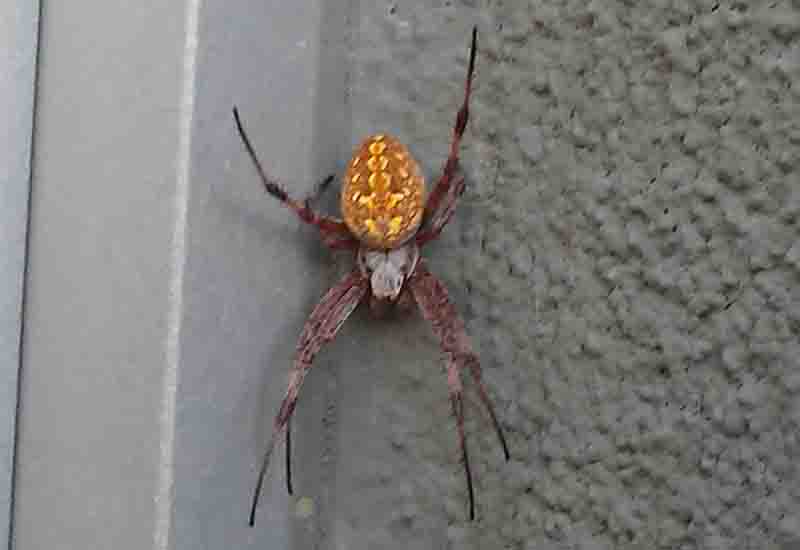
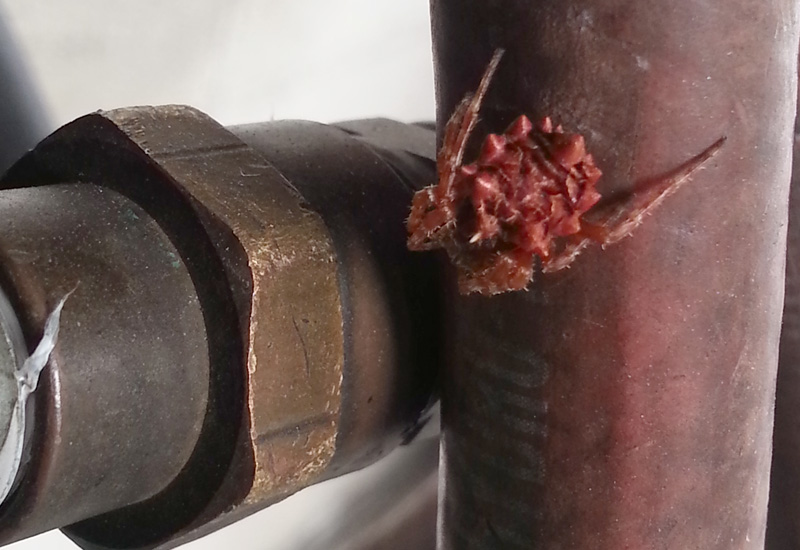
Orb weaver spiders, known for their intricate and delicate webs, are a fascinating group of arachnids. As you explore the world of these captivating creatures, you’ll discover the incredible diversity in their appearances, behaviors, and habitats.
The Orchard Orbweavers, for example, are small, attractive spiders that are quite common in the eastern U.S. They come in various colors and patterns, making them an interesting subject for both amateur and professional arachnologists. What sets them apart from other spiders is their unique way of creating beautiful, circular webs to catch their prey.
As you dive deeper into learning about the various types of orb weavers, you’ll uncover a world full of fascinating adaptations and unexpected marvels. From the garden orb weaver to the golden silk orb weaver, these amazing creatures will surely capture your attention and spark your curiosity. So grab a magnifying glass, and let’s embark on an adventure into the world of orb weaving spiders.
Understanding Orb Weavers
Orb weavers are a diverse group of spiders belonging to the phylum Arthropoda, class Arachnida, order Araneae within the animal kingdom, Animalia. These spiders are called orb-weaving spiders due to their ability to create stunning orb-shaped webs.
These spiders come in various sizes, with some having a large, bulbous abdomen1. Orb weavers are usually found in gardens, fields, and forests2. They’re most active in spring, but they become more noticeable in autumn as their webs get bigger2.
As part of the arachnid family, orb weavers share common characteristics with other arachnids such as:
- 8 legs
- 2 main body parts: cephalothorax and abdomen
- No wings or antennae
Some common types of orb weavers are the marbled orb weaver3 and the yellow garden spider4. Different species can be difficult to distinguish, as they may have varying abdomen shapes, ranging from smooth to spiny or irregular2.
Orb weavers are helpful to the environment since they capture, kill, and eat insects5. This makes them a valuable ally for pest management. Now that you have a basic understanding of orb weavers, you can appreciate their unique abilities and their essential role in our ecosystem.
Anatomy of Orb Weavers
Size and Shape
Orb weavers come in a variety of sizes and shapes. Spiderlings are small, while adults can have a body length ranging from a few millimeters to several centimeters. In general, orb weavers have large abdomens that slightly overlap with their cephalothorax, giving them a distinctive appearance.
Adult female orb weavers tend to be larger than their male counterparts. For instance, the spined micrathena has a body size of about 1/4 to 3/8 inch for females and 1/8 to 1/4 inch for males.
Color Patterns
Orb weavers display diverse color patterns and combinations, which help them blend with their surroundings or attract prey. Some species like the banded garden spider show striking black and yellow bands, while others like the spotted orb weaver have intricate patterns and various colors on the abdomen.
It’s important to note that color patterns can vary within species, making identification challenging at times.
Unique Features
Along with size and color patterns, orb weavers possess unique features that set them apart. For example, the spined micrathena has sharp spines on its abdomen, which may deter predators.
Long-jawed orb weavers, on the other hand, have distinct webs with ahorizontal incline and an opening in the middle. Their front two pairs of legs are typically longer than their hind two pairs.
Banded garden spiders are known to build large, spiral-shaped webs in open fields and gardens, while spotted orb weavers usually construct their webs near light sources to take advantage of the insects attracted by the light.
In summary, understanding the different features of orb weavers, such as their size, shape, color patterns, and unique characteristics, can help you identify and appreciate these fascinating spiders. Remember to approach them with caution and respect, as they play an essential role in maintaining the balance of ecosystems.
Types of Orb Weavers
Argiope
Argiope spiders belong to the Araneidae family and are known for their striking appearance. The Argiope aurantia, also known as the black and yellow garden spider, is an iconic example of this genus. Female spiders are larger than males, and they often mate with smaller male spiders. Some features of Argiope spiders include:
- Bright colors (usually black and yellow)
- Large size, particularly in females
- Orb-shaped webs
Neoscona
Neoscona is another genus in the family Araneidae. One common species is Neoscona crucifera, known for its red or brown color and the cross-like pattern on its abdomen. Here are some characteristics of Neoscona spiders:
- Red or brown color with a cross-like pattern on the abdomen
- Smaller size compared to Argiope spiders
- Orb-shaped webs similar to other orb-weaver spiders
Araneus
Araneus is a large genus of orb-weaver spiders also belonging to the Araneidae family. There are many species within this genus; one example is the marbled orbweaver which has a large abdomen with unique markings. Features of Araneus spiders include:
- Various patterns and colors on the abdomen
- Large, overlapping abdomen with the cephalothorax
- Appear in gardens, fields, and forests
Other Genera
Orb-weaver spiders consist of various other genera in the Araneidae family. Some examples include Mastophora, Ordgarius, Verrucosa, and Micrathena. These genera exhibit different shapes, sizes, and colors depending on the species and their habitat.
Remember, all orb-weaver spiders are important members of their ecosystems and help control insect populations. So, whenever you encounter an orb-weaver spider, appreciate its beauty and the vital role it plays in nature.
Webs of Orb Weavers
Orb weaver spiders are known for their intricate and organized webs. These webs are made of sticky threads designed to capture prey. Once an insect is ensnared, the orb weaver utilizes its strength to immobilize and overpower it. Some webs even have special structures called a stabilimentum to provide extra support.
The construction of these webs is a fascinating process. Orb weavers typically build new webs every day. While some parts of the web might be repaired, the spiders often prefer to create an entirely new web. One common reason for building a new web is the loss of stickiness in the existing web. A sticky web is vital for capturing prey, and a non-sticky web will fail to secure a meal.
Here are some key features of orb weaver webs:
- Made of sticky threads
- Intricate and organized design
- Stabilimentum for additional support
- Rebuilt daily or repaired as needed
Orb weaver spiders rely heavily on their webs to catch prey. Maintaining and constructing these complex structures is an essential part of their daily lives. When you come across an orb weaver web in nature, take a moment to appreciate the spider’s remarkable engineering skills.
Habitats and Geographic Distribution
North America
Orb weavers can be found in various habitats across North America, including forests, grasslands, and gardens. Their range extends from Canada and the United States to Mexico, covering regions with diverse climates such as Alaska and Arizona. For instance, the marbled orb weaver inhabits the eastern United States, where it can often be seen in gardens and fields1. Florida is home to N. crucifera, one of the largest orb-weaving spiders in the state5.
- Habitats: forests, grasslands, gardens
- Range: Canada, United States, Mexico
- United States examples: Maine, Arizona, Florida, Alaska
Australia
In Australia, orb-weaving spiders can be found in various habitats, from forests to tall grass and gardens. While detailed information is limited on the specific distribution of orb weavers in this region, it is understood that they inhabit different environments to adapt to the diverse Australian climate.
- Habitats: forests, tall grass, gardens
- Range: Australia
Other Regions
Orb weavers can also be found in other regions across the globe. Their diverse range of habitats and adaptability allow them to thrive in various environments. While this section focuses primarily on North America and Australia, it is important to note that orb-weaving spiders have a worldwide distribution, making them a fascinating group of arachnids to study.
- Range: Worldwide
- Habitats: Varied, depending on region
Diet and Prey
Orb weavers are carnivorous spiders that feed on various insects. They specialize in catching their prey using their circular, wheel-like webs.
Insects like flies, moths, and wasps comprise a significant part of their diet. When an insect gets caught in the web, the orb weaver quickly wraps it in silk and injects it with venom to immobilize it. Once the prey is immobilized, the orb weaver consumes the liquefied insides of the insect.
As a predator, orb weavers help maintain a balance in the ecosystem by controlling insect populations. This benefits you, as they can reduce the number of pests in your garden or surrounding areas.
Remember to be cautious around their webs, as some orb weaver species can have painful bites if disturbed. However, they are not considered dangerous to humans, and their venom is not medically significant.
Life Cycle and Behavior
Orb weavers experience a fascinating life cycle. Their journey begins as tiny eggs, laid by the female spider in a secure, protected location. Once the eggs hatch, the spiderlings emerge and venture out, resembling miniature versions of their adult counterparts.
As these young orb weavers grow, they molt, shedding their exoskeleton to make room for a larger one. This process repeats several times throughout their lifespan, which varies among different species but generally lasts around 1 to 2 years.
These spiders are known for their incredible engineering abilities, constructing elaborate, large, and circular webs, primarily for hunting. Some of their notabilities include the Hentz’s orbweaver and the long-jawed orbweaver.
Orb weavers are mostly nocturnal creatures, meaning they are active and hunting during the night. This can partly contribute to their overall success as hunters. During daylight hours, they typically remain hidden to avoid predators and conserve energy for the evening.
In summary, orb weavers boast a distinct life cycle that includes egg, spiderling, and adult stages. Their behavior mainly revolves around their nocturnal hunting and crafting of intricate webs to catch prey. Their overall lifespan differs among species but typically falls within the range of 1 to 2 years.
Benefits and Threats
Orb weavers, also known as garden spiders, are beneficial creatures to have in your environment. They’re skilled in controlling insect populations, as they feed on various pests, such as flies and mosquitoes1.
However, some species could pose a threat to smaller animals, like birds, due to their ability to create large, strong webs that may entangle them. Despite this, the majority of orb weavers are harmless to humans and are not considered dangerous predators5.
When it comes to venom, most orb weavers carry a mild venom that they use to immobilize their prey. Their venom is not harmful to humans, and their bites, which are rare, typically only result in mild swelling and discomfort4.
Here’s a quick comparison of the pros and cons of orb weavers in your garden:
| Benefits | Threats |
|---|---|
| Control insect populations | Can trap small birds |
| Harmless to humans | Web debris in your yard |
| Help maintain a balanced ecosystem |
So, in a friendly tone, having orb weavers in your garden can bring about benefits outweighing the minor inconveniences. Just remember to keep an eye out for their webs to prevent any accidental encounters with them.
Interesting Facts about Orb Weavers
Did you know that the orb-weaver spider family, also known as Araneidae, includes a diverse group of spiders? They come in various shapes and sizes, but generally, they have a large abdomen that overlaps the cephalothorax1. Here are some interesting facts and features that make orb-weaver spiders stand out:
- Wide variety of habitats: Orb weavers can be found in gardens, fields, and forests1. They are quite adaptable and can thrive in various environments.
- Orb-shaped webs: As their name suggests, orb-weaver spiders create classic orb-shaped webs5. These intricate, geometric webs are some of the most iconic representations of spider webs.
- Web replacement and maintenance: Orb weavers are known to frequently replace their webs, ensuring they always have well-maintained traps for prey2.
- Spiders die out yearly: Orb weavers typically die out every year, leaving their egg sacs behind4.
- Night-time hunters: Many orb-weaver spiders are more active during the night, using their webs to capture prey under the cover of darkness.
To give you a clearer picture of the differences between some orb-weaver spiders, let’s take a look at a comparison table:
| Spider | Habitat | Abdomen | Web Features |
|---|---|---|---|
| Marbled Orbweaver5 | Foliage near ground level | Orange, brown, or white, with markings | Classic orb-shaped |
| Angulate Orbweaver3 | Trees, shrubs, and herbaceous plants | Varies; often with patterned markings | Classic orb-shaped |
| Hentz’s Orbweaver2 | Trees, shrubs, and buildings | Patterned stripes | Open hub, few threads |
In conclusion, the orb weaver spider family is diverse and fascinating. They are adaptable, skilled architects, and play an essential role in controlling insect populations. The next time you come across an orb-shaped web, take a moment to appreciate the incredible work of the orb-weaver spider.
Footnotes
- https://extension.usu.edu/pests/schoolipm/structural-pest-id-guide/orb-weaving-spiders ↩ ↩2 ↩3 ↩4 ↩5
- https://extension.illinois.edu/blogs/naturalist-news/2021-09-16-fall-spider-season-orb-weavers-spin-bigger-webs ↩ ↩2 ↩3 ↩4 ↩5
- https://mdc.mo.gov/discover-nature/field-guide/angulate-roundshouldered-orbweavers ↩ ↩2
- https://bygl.osu.edu/node/1686 ↩ ↩2 ↩3
- https://bygl.osu.edu/node/1878 ↩ ↩2 ↩3 ↩4 ↩5