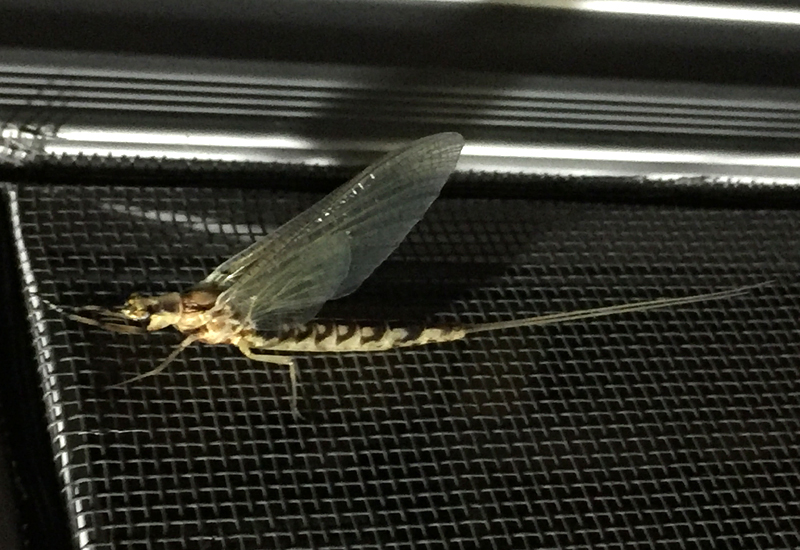
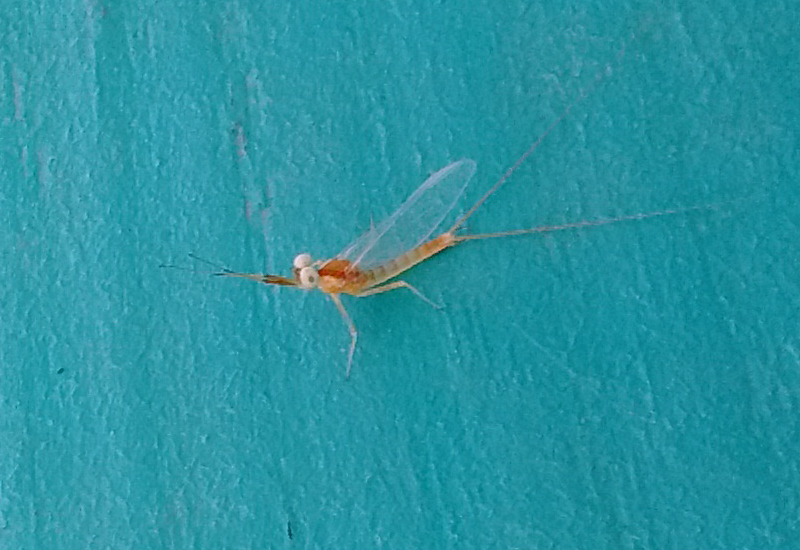
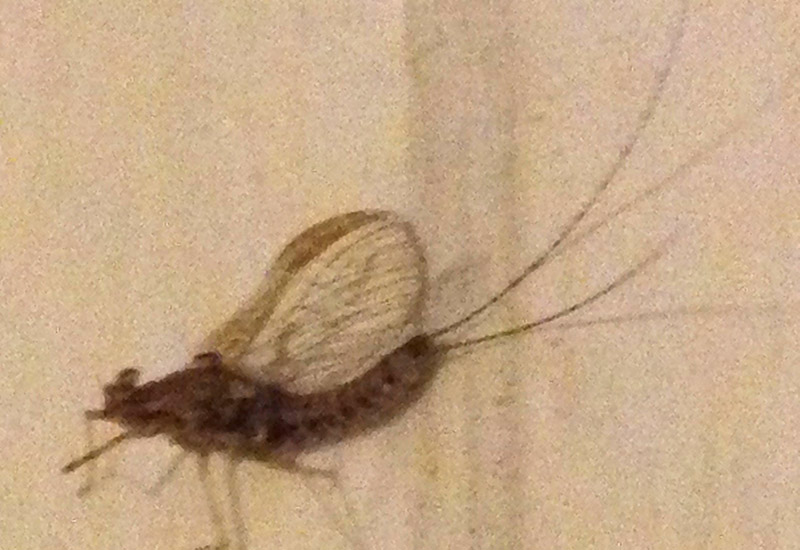
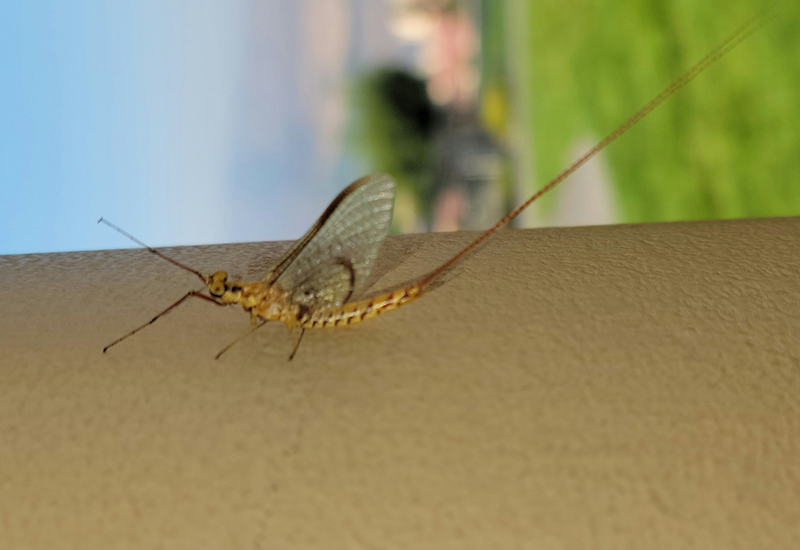
Mayflies and mosquitoes are two distinct types of insects that are often found near bodies of water, but they differ in many ways. While mayflies are known for their unique life cycle and short adult lifespan, mosquitoes are infamous for their blood-sucking habits and potential to spread diseases.
Mayfly larvae, also called nymphs or naiads, have a slender and soft-bodied appearance, with leaf-like or feathery gills along their sides or on the top rear portion of their abdomen 1. On the other hand, mosquitoes are flying insects that thrive in various parts of the world and are present in over 3,500 different types 2. Their bites are known to cause itching and swelling, while some mosquitoes are vectors of serious illnesses.
Both insects play their part in the ecosystem, with mayflies contributing through their unique life cycle 3, and mosquitoes acting as indicators of environmental changes and health risks. As we explore the fascinating world of mayflies and mosquitoes, we’ll discover their distinct characteristics and better understand their roles in our environment.
Mayfly Vs Mosquito: Basic Differences
Appearance
- Mayfly:
- Slender and soft-bodied
- Unwinged in larval stage, sport wings as adults
- Leaf-like or feathery gills on abdomen
- Smaller eyes in larval stage, larger in adults
- Mosquito:
- Small-sized with a slender body
- Long legs and a proboscis for feeding
- Wings present in adult stage
Life Cycle
- Mayfly:
- Egg, larva/nymph/naiad, subimago, adult
- Larval stage spent in water for months or years
- Larvae have external gills
- Adult stage very short-lived (hours to days)
- Mosquito:
- Egg, larva, pupa, adult
- Larval and pupal stages spent in water
- Adult stage lives a few weeks
- Adult female feeds on blood to produce eggs
Habitat
- Mayfly:
- Found in clean, oxygen-rich aquatic environments
- Larvae often live on rocks in fast-flowing water
- Mosquito:
- Larval and pupal stages thrive in standing water
- Adults found near water sources and in various climates
Diet
- Mayfly:
- Larvae feed on algae, detritus, and other small organisms
- Adults do not eat
- Mosquito:
- Larvae consume microorganisms and organic matter
- Adults feed on nectar, while females require blood meals for egg production
Scientific Names
- Mayfly:
- Order: Ephemeroptera
- Mosquito:
- Order: Diptera
- Family: Culicidae
Impact on Humans
Bites and Itchiness
Mayflies:
- Mayflies do not bite or cause itchiness.
- They are harmless to humans.
Mosquitoes:
- Mosquitoes bite, causing itchiness and discomfort.
- Female mosquitoes feed on human blood for nutrients needed to produce eggs.
Diseases and Health Risks
Mayflies:
- Do not transmit diseases to humans.
- Minimal health risk, mostly associated with their swarming behavior which can cause nuisance.
Mosquitoes:
- Transmit deadly diseases, such as malaria, dengue fever, and Zika virus.
- Major health risk globally, especially in tropical and subtropical regions.
| Mayflies | Mosquitoes | |
|---|---|---|
| Bites | No | Yes |
| Itch | No | Yes |
| Health Risk | Minimal | High (transmits diseases) |
Both mayflies and mosquitoes have an impact on humans, although significantly different. While mayflies are harmless, mosquitoes can cause serious health issues through their bites. It is essential to take preventive measures against mosquito bites to protect oneself from the diseases they carry.
Environmental Roles
Role in Ecosystems
Mayflies primarily inhabit rivers and streams as larvae, consuming algae and smaller organisms. Their presence is an indicator of good water quality. Mosquitoes, on the other hand, lay their eggs in standing water and can survive in a wider range of environmental conditions, playing a role in the spread of diseases like malaria.
Comparison Table: Mayflies vs Mosquitoes
| Mayflies | Mosquitoes | |
|---|---|---|
| Habitat | Rivers, streams | Standing water, various environments |
| Diet | Algae, smaller organisms (larvae stage) | Female mosquitoes feed on blood, males feed on nectar |
| Positive Impact | Good water quality indicator | Pollinators (some species) |
| Negative Impact | None | Disease vectors (such as malaria, dengue, and Zika virus) |
Common Predators
Mayflies and mosquitoes share a wide range of predators. Examples include:
- Fish: Many species feed on mayfly larvae and adult mosquitoes.
- Birds: Swallows and other insectivorous birds consume both mayflies and mosquitoes.
- Other insects: Dragonflies and damselflies are known to prey on mosquitoes and mayfly larvae.
In summary, mayflies and mosquitoes have unique roles in their respective ecosystems. Mayflies are indicators of healthy aquatic environments, while mosquitoes can be both pollinators and disease vectors. Both mayflies and mosquitoes serve as important food sources for a variety of predators, maintaining the balance of ecosystems.
Insects That Resemble Mosquitoes
In this section, we will take a closer look at three insects that resemble mosquitoes. These insects are often mistaken for mosquitoes due to their physical appearance. However, they have different characteristics and their presence in the environment can sometimes be beneficial.
Crane Flies
- Commonly mistaken for giant mosquitoes
- Much larger than mosquitoes, size ranging from 2-60mm
- Possess long, slender legs with wings spanning approximately 20mm
- Do not bite or transmit diseases
- Larvae feed on decaying plant material, adult crane flies feed on nectar or not at all
Crane flies are a prime example of an insect often confused with mosquitoes. Despite their large size and long legs, crane flies are harmless and do not bite. They can be beneficial to the ecosystem, as their larvae help break down decaying plant material, which enriches the soil.
Midges
- Small, delicate insects resembling mosquitoes
- Similar in size, about 1-4mm
- Do not bite or transmit diseases (non-biting midges)
- Larvae can be aquatic or terrestrial, feeding on algae or decaying organic matter
- Adult midges can form swarming patterns, mostly seen during dusk or dawn
Midges, another insect commonly mistaken for mosquitoes, have similar size and appearance but do not bite or transmit diseases. Their presence can be annoying, especially in swarming patterns, but they are generally harmless.
Fungus Gnats
- Resemble mosquitoes with delicate bodies and clear wings
- Size range between 2-5mm
- Do not bite or transmit diseases
- Larvae feed on the fungi that grow in damp, organic matter (potting soil, for example)
- Attracted to damp, overwatered plants
Fungus gnats are yet another insect that resembles mosquitoes. They have delicate bodies and clear wings but do not bite or transmit diseases. Fungus gnat larvae feed on fungi growing in damp, organic matter, so they are primarily attracted to over-watered plants.
| Insect | Size (mm) | Biting Behavior | Larvae Habitat | Benefits |
|---|---|---|---|---|
| Crane Flies | 2-60 | No | Decaying plant material, soil | Decompose plant material |
| Midges | 1-4 | No* | Aquatic or terrestrial, algae or decaying | None |
| Fungus Gnats | 2-5 | No | Damp, organic matter (potting soil) | Decompose fungi in soil |
*Note: This refers to non-biting midges, some midge species do bite.
Mosquito and Mayfly Management
Protecting Yourself and Your Yard
To protect yourself and your yard from mosquitoes and mayflies, follow these simple steps:
- Remove standing water: Eliminate any sources of stagnant water around your yard, as it’s a breeding ground for mosquitoes.
- Trim vegetation: Keep your yard well-trimmed, as both insects tend to congregate near tall grass and overgrown shrubs.
- Install screens: Place window screens and screen-enclosed porches on your property to keep pests out.
Controlling Pests
Controlling mosquitoes and mayflies can be done through integrated pest management approaches, such as mosquito control programs and integrated mosquito management.
Mosquito control example:
- Pros: Reduces mosquito populations; prevents the spread of diseases like West Nile virus and dengue fever.
- Cons: May require using chemicals which might have a negative environmental impact.
Mayfly control example:
- Pros: Mayflies are generally harmless and have a short life span; natural predator of other insect pests.
- Cons: Large swarms can be a nuisance; may cause respiratory problems for people with allergies.
| Mosquitoes | Mayflies | |
|---|---|---|
| Life Span | Up to several weeks | Usually 1-2 days |
| Diet | Blood (females) & nectar | Algae & other small insects |
| Diseases | Can transmit to humans | None |
| Control | Requires more effort | Requires less effort |
Taking these steps to protect yourself and to control pests can help your yard be a more enjoyable space during mosquito and mayfly season.