
Grapevine Beetle
What Are Grapevine Beetles
Identification and Characteristics
Grapevine beetles (Pelidnota punctata) are a type of scarab beetle. They are also known as the spotted June beetle, which belongs to the Scarabaeidae family. They can be found in eastern Canada and some parts of the United States.
These beetles are recognizable by their distinct coloration and physical features:
- Size: Approximately 1 inch in length
- Coloration: Off-yellow to light brown with black spots
- Body: Sturdy and oval-shaped
- Wings: Covered by a hard shell called elytra
- Antennae: Serrated and fan-like
- Mandibles: Strong and developed
Life Cycle
The life cycle of the grapevine beetle consists of four stages: egg, larva, pupa, and adult. The development process is as follows:
- Egg: Female beetles deposit eggs in the soil near the base of suitable host plants.
- Larva: The larvae, or grubs, feed on decaying wood and plant material. They grow underground and can stay in this stage for up to two years.
- Pupa: The mature larvae pupate in earthen cells within the soil.
- Adult: After approximately 3 to 4 weeks, adult beetles emerge from the pupal stage.
While grapevine beetles primarily feed on grapevines, they do not pose any serious threat to humans.

Grapevine Beetle Interaction With Humans
Biting and Human Safety
Grapevine beetles (Pelidnota punctata) are not harmful to humans. They are not known for biting or displaying any aggressive behavior towards people.
In fact, grapevine beetles are part of the scarab beetle family, which is generally considered harmless to humans. As such, you do not need to worry about your safety when encountering these beetles.
Damage to Gardens and Vineyards
Grapevine beetles can cause damage to gardens and vineyards, but the extent of the harm is relatively mild. Their primary target is the foliage of grapevines, as their name suggests.
However, they can occasionally feed on the leaves of other plants as well. A few key points to note about grapevine beetles in gardens and vineyards include:
- They primarily feed at night
- They are most active in the late summer
- The damage is often cosmetic rather than fatal to the plants
In a comparison of the potential damage caused by grapevine beetles versus other pests, these beetles are relatively benign.
Other pests, such as Japanese beetles, can cause considerably more harm to plants, including severe defoliation and even the death of the plants.

| Pest | Potential Harm to Plants |
|---|---|
| Grapevine Beetle | Cosmetic damage (mostly) |
| Japanese Beetle | Severe defoliation/death of plants |
Diet and Habitat
Host Plants and Foliage
Grapevine Beetles are known for their attraction to grapevine leaves and other types of foliage. While their diet also consists of other sources like tree sap, some examples of their preferred host plants include:
- Grapevines
- Maple trees
- Deciduous trees
Nocturnal Behavior and Tree Stumps
These beetles exhibit nocturnal behavior, making them more active during the night. They tend to hide in tree stumps and soil during daylight hours. Here are some characteristics of their habitat:
- Woodlands
- Thickets
- Vineyards
- Deciduous forests
While Grapevine Beetles may be a nuisance to some plants, they pose no harm to humans. The table below compares some of their features to further illustrate this fact:
| Feature | Grapevine Beetles | Harmful to Humans? |
|---|---|---|
| Diet | Foliage, Tree Sap | No |
| Habitat | Woodlands, Vines | No |
| Activity Period | Nocturnal | No |
Natural Enemies and Control Methods
Predators and Beneficial Insects
Grapevine beetles have natural enemies that help keep their population in check. Some of these predators include:
- Birds: Many bird species consume beetles and their larvae as a food source.
- Lacewings: These insects prey upon beetle larvae and other small pests.
- Dung Beetles: While not directly feeding on grapevine beetles, they help in breaking down and recycling organic matter, benefiting the soil ecosystem.
- Beneficial nematodes: These microscopic worms attack and kill beetle larvae in the soil.
Insecticides and Chemical Control
In situations where grapevine beetle populations are high, chemical control may be necessary. Some common insecticides used for beetle control include:
- Pyrethrin: A natural insecticide derived from chrysanthemum flowers.
- Spinosad: A naturally occurring soil bacterium used as an insecticide.
- Insecticidal soap spray: A less toxic option for controlling soft-bodied pests like larvae.
Grapevine Beetle
| Insecticide | Pros | Cons |
|---|---|---|
| Pyrethrin | Natural, effective against adult beetles | Short residual, toxic to bees |
| Spinosad | Low toxicity to humans, long-lasting | Harmful to some beneficial insects |
| Insecticidal soap | Safe for humans, pets, and plants | Less effective against adult beetles |
Organic Control Measures
For an organic approach to grapevine beetle control, these techniques can be considered:
- Neem oil: A natural pesticide extracted from the seeds of the neem tree.
- Diatomaceous earth: A powdery substance made from fossilized aquatic organisms that kill insects by damaging their exoskeletons.
- Sticky traps: Used to monitor and trap adult beetles.
- Organic gardening practices: Cultivating a diverse garden with plants that attract beneficial insects and predators.
Examples of organic control measures:
- Applying neem oil or diatomaceous earth to the soil and plants to deter beetles.
- Placing sticky traps near grapevines to catch and monitor adult beetles.
- Planting various flowers, such as marigolds or sunflowers, to attract predators of beetles.
Comparison to Similar Insects
Japanese Beetles and Their Impact
Japanese beetles are invasive insects that can be harmful to various plants. They feed on the leaves of numerous plants, causing them to appear skeletonized1. However, they are not harmful to humans.
Characteristics of Japanese Beetles:
- Metallic green and copper color
- About ½ inch long
- Feed on plants in their adult stage
Other Beetle Species
There are numerous other beetle species that exhibit varying levels of impact on plants and humans. Here, we examine a few examples.
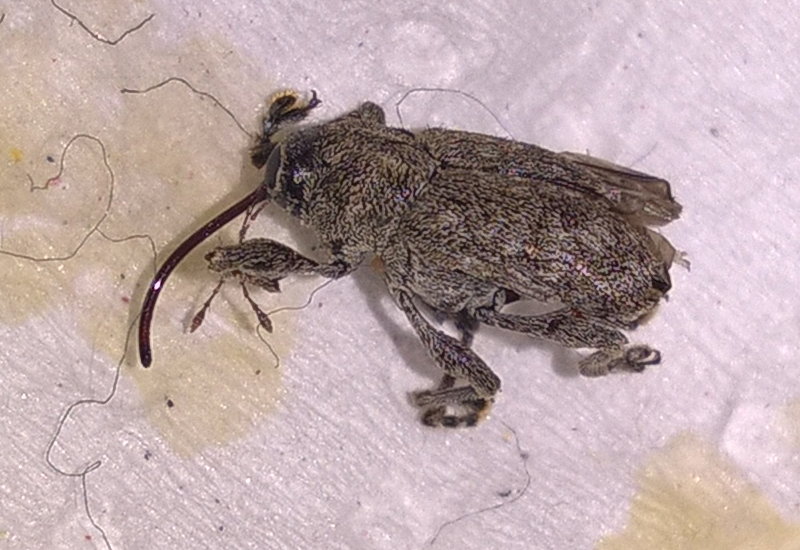
Weevils
Weevils are small beetles that can cause damage to stored grains and seeds. They typically do not directly impact humans2.
Stag Beetles
Stag beetles are characterized by their large, pincer-like mandibles. These beetles are not considered harmful to humans, and their larvae feed on decomposing wood, often found in gardens.
Flea Beetles
Flea beetles are small and can jump like fleas when disturbed. They cause damage to various plants by feeding on the leaves, creating small holes4. They do not pose a threat to humans.
Blister Beetles
Blister beetles are so named because their body fluids can cause skin irritation, including blistering. They can be harmful to humans if mishandled.

Ground Beetles
Ground beetles are generally not harmful to humans, and can even be helpful as they feed on pests like slugs and caterpillars6.
Rhinoceros Beetles
Rhinoceros beetles are large and uniquely shaped, with a horn-like structure on their heads. They feed on plant material and don’t pose any significant threat to humans7.

Comparison Table
| Beetle Species | Impact on Plants | Harmful to Humans |
|---|---|---|
| Japanese Beetles | Significant | No |
| Weevils | Moderate | No |
| Stag Beetles | Minimal | No |
| Flea Beetles | Moderate | No |
| Blister Beetles | Moderate | Yes |
| Ground Beetles | Minimal | No |
| Rhinoceros Beetles | Minimal | No |
Additional Grapevine Beetle Information
Lifespan and Reproduction
The lifespan of a Grapevine Beetle is typically around one year, from egg to adult. During their short life cycle, they go through several developmental stages:
- Eggs: Female beetles lay eggs after mating, usually on decaying wood and leaf litter.
- Larvae: The eggs hatch into white larvae (grubs) that feed on rotting wood.
- Pupae: After growing and shedding their exoskeleton multiple times, the larvae pupate.
- Adults: Finally, the pupae transform into adult beetles, ready to mate and begin the cycle again.
Characteristics of the Grapevine Beetle Lifecycle:
- The development from egg to adult typically takes less than a year
- Eggs laid on rotting wood or leaf litter
- Grubs feed on rotten wood, while adults feed on deciduous plants
Grapevine Beetles don’t generally harm humans, but if you are growing apple trees or grapevines, it’s essential to monitor their presence and any potential damage they may cause to these fruit-bearing plants.
The proactive approach includes checking for black spots on leaves, rotten wood, and decaying portions of the plants to address infestations as soon as they appear.

Conclusion
Since grapevine beetles are usually found in gardens and vineyards, people often consider them harmful.
However, these distinctive insects, with their eye-catching appearance and habits, do not pose a direct threat to people. These insects feed on plant foliage, and grapevine beetles focus on vegetation and refrain from harming humans.
Yes, they can cause damage to plants, but it is nothing too drastic. However, you can use the tips and tricks mentioned in the article to get rid of them.
Understanding their characteristics, habits, and role in ecosystems can help us appreciate these beetles without undue worry about personal harm.
Grapevine Beetle


