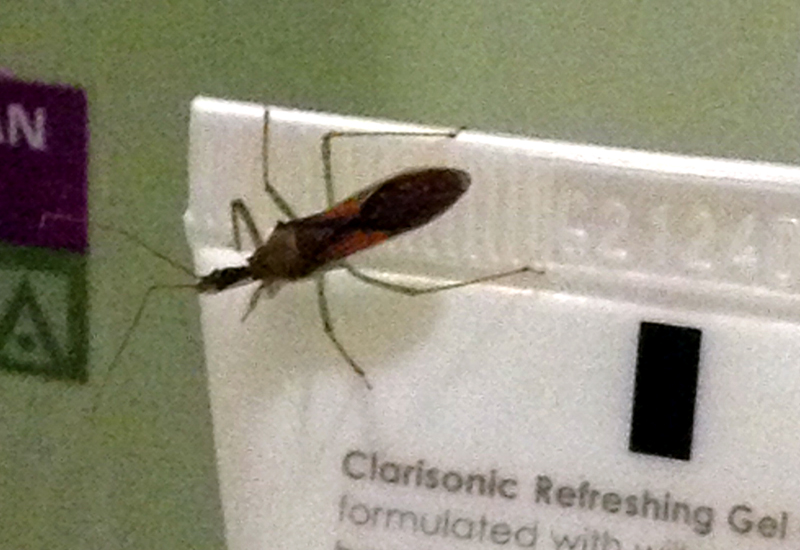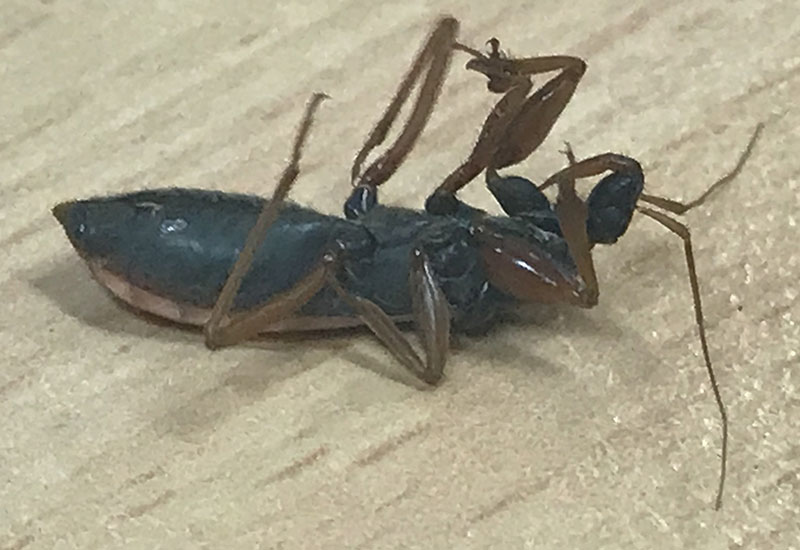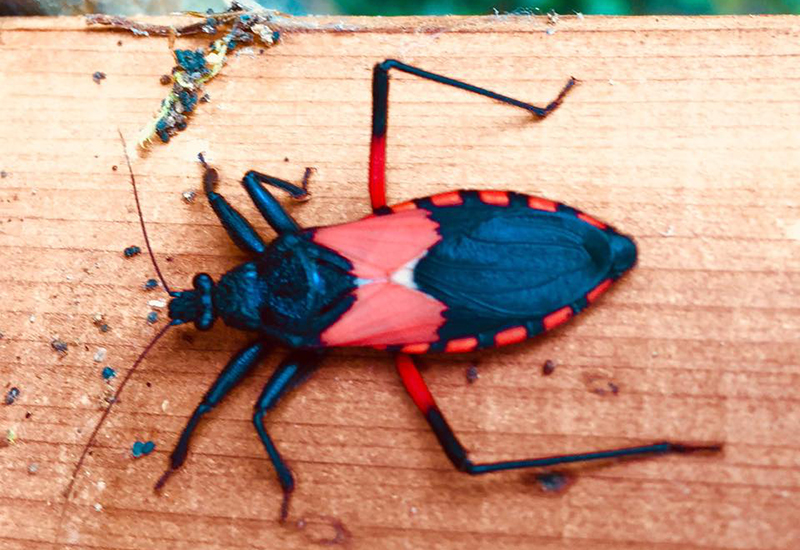
Assassin bugs are among the rare beneficial bugs that can help in getting rid of unwanted pests, wasps, and bugs. But are assassin bugs dangerous for humans? Let’s find out.
Bugs and creepy crawlies are bothersome and wanted guests, but if it is the assassin bugs from the Reduviidae family, you can gladly welcome them to your garden.
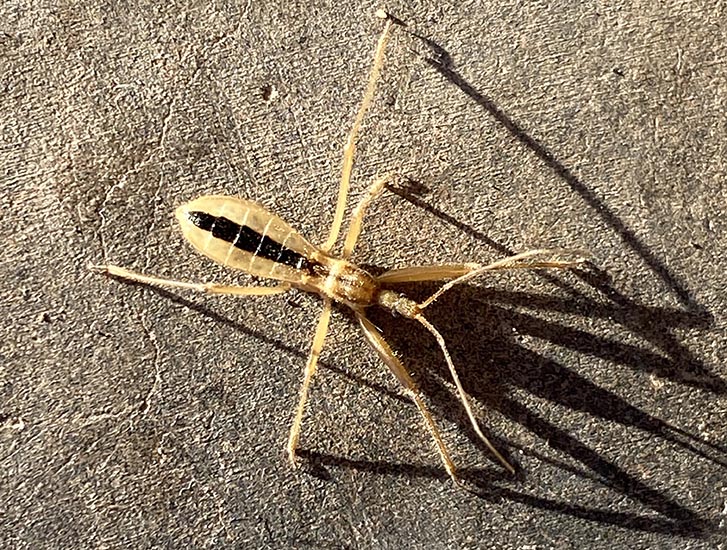
Assassin bugs are predatory ectoparasites of the Hemiptera order, Heteroptera suborder, and Triatominae subfamily.
Among the 6,800 assassin bug species belonging to 25 different subfamilies, only 160 species exist in North America.

The friendly neighborhood bugs take on the great responsibility of destroying aphids, thrips, and other similar pests.
While most are not dangerous to humans, a few species of assassin bugs, like the Kissing Bugs, carry harmful parasites that can cause worry.
Do These Bugs Bite?
The bugs have a curved mouth resembling a dagger known as rostrum or proboscis that they use to bite caterpillars and leafhoppers easily.
The rostrum has three hollow segments. The assassin bug uses this to inject venom into its prey, causing paralysis.
Once neutralized, they feed voraciously on the prey by sucking the body fluids out. These bugs are known for stalking and attacking insects even twice their size with ease.
Are They Poisonous?
Assassin bugs are not poisonous and are practically harmless until they bite. They do not have any poison on their body that can affect other living organisms simply by touch.
They are known for feeding on the blood and fluid sucked from invertebrates and insects, and they use venom to do it.
Are They Venomous?
Yes, the assassin bugs are highly venomous insects. The Disulphide-rich peptide neurotoxin released by the assassin bugs is a potent liquifying agent that lets them feed easily using their proboscis.
Biochemical analysis of the venom has shown that it is composed of numerous complex components:
- Triabin-like protein,
- Putative nutrient-binding proteins, etc.
- Putative cytolytic toxins,
- Cystatins,
- S1 proteases,
- Odorant-binding protein,
- Catabolic enzymes,
Assassin bugs are quite venomous. Though they cannot cause death in humans or large animals, they are highly deadly to smaller insects.
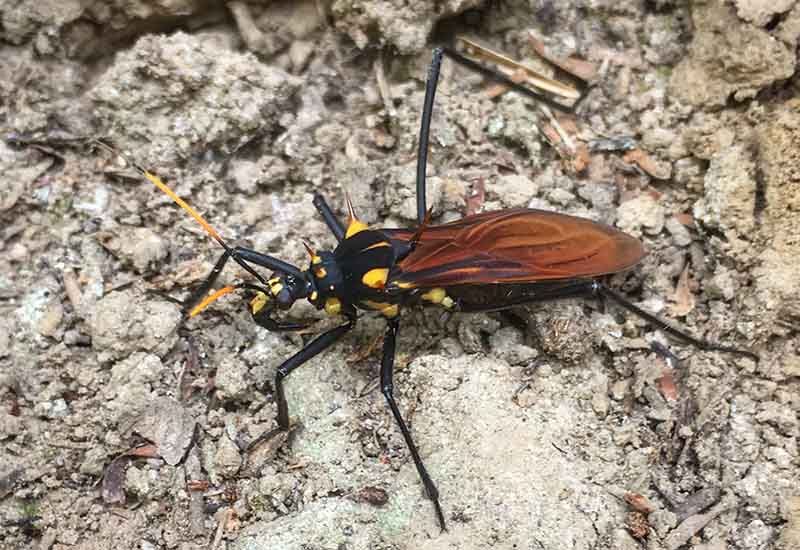
What Happens if You Get Stung by an Assassin Bug?
The wheel bug is one of the most commonly seen types of assassin bugs. They are known for having very painful bites.
If you encounter this kind of bite, it is best to try to remove as much as the venom as possible with a BUG BITE THING Suction Tool and then disinfect the site well and apply antiseptic cream.
The immediate reactions are localized swelling and intense pain for the initial few hours. You can use over-the-counter analgesics like Ibuprofen and Aspirin to temporarily reduce the pain and swelling.
Caladryl or any form of corticosteroids is also helpful in reducing localized trauma. People allergic to insect bites might have breathing issues and hives and may even suffer from anaphylactic shock. For such people, it is best to seek medical advice immediately.
How Painful Is an Assassin Bug Bite?
It is quite painful because of the venom that they inject into the skin, which kills the cells around the area of the bite which is why you should try to remove as much venom as possible as quickly as possible.
Even though assassin bugs are beneficial insects, they are not a very welcoming predator. They swiftly respond to threats by biting.
Their venom is neurotoxic and liquefies the insides of their prey. This causes excruciating pain in the affected area, followed by a burning sensation, and you might also get a bump in the area.
The symptoms may remain for a few days before disappearing completely.
Are They Harmful to Humans?
While most assassin bugs are beneficial for the environment, a few specific species like the Conenose Bugs, better known as Kissing Bugs, are problematic. These bugs are bloodsuckers and are known to carry Chagas disease.
These bugs belong to the Triatominae family and are blood suckers and generally come out after dark hours to attack their prey.
Though they are similar to the commonly found wheel bugs, the signature crest is missing. They also have orange and black markings along the abdominal area.
Widely found all across the United States, they are predominant in the state of Texas. These bugs specifically attack the face and the lip region.
Their saliva has anesthetic properties, so the bite often goes undetected for up to half an hour.
The problem arises when the bugs defecate near the bite. Their feces contain the highly infectious Trypanosoma Cruzi parasite, which causes the Chagas disease.
As you scratch your face due to irritation caused by the bite, the feces penetrates the skin through the open wounds resulting in the disease.
Chagas disease, unfortunately, has no cure or vaccine. It can be potentially life-threatening and may cause heart or intestinal complications.

Can They Kill a Human?
Assassin bugs, specifically the kissing bugs, have affected over 8 million people in Central America by being carriers of the Chagas Disease. It occurs in two phases.
- Acute Phase – Immediately after the transmission, there are localized areas of swelling and pain that can be treated with antiparasitic drugs and resolved immediately.
- Chronic Phase – As the disease is left untreated, the parasites remain in the human body and continue to thrive. Though the parasites are not strong enough to kill a human, they weaken the immune system, which can cause health complications later.
The parasites can cause heart and other organ damage leading to fatal scenarios.
Where Do They Hide?
These bugs prefer moist and dark spaces like bushes, garden plants, and loose soil to thrive, copulate, lay eggs and grow.
Though they do not feed on the plant nutrients, the covers and shades give them the camouflage to stalk their prey undisturbed and attack without them knowing.
How Long Do They Live?
Assassin bugs are known to survive for up to 2 years in captivity but significantly less (6-10 months) in the wilderness.
The female bugs lay their eggs in clusters along the stems and leaves of a plant during the summer months.
The eggs hatch to reveal the hatchlings known as nymphs that closely resemble the adult bugs except for the absence of wings. They undergo molting seven times before they even acquire the wings.

Frequently Asked Questions
Why are assassin bugs in my house?
These bugs have an affinity toward the light, so they are often seen loitering around the floor and corners of our homes.
Assassin bugs are attracted to potential prey, so if your garden or yard has an aphid infestation or other bugs, they can come to your home.
How many people have assassin bugs killed?
The kissing bug is indirectly responsible for approximately 12,000 deaths in a year in various parts of Central America.
These bugs are carriers of a parasite that causes Chagas disease, a potentially fatal and incurable disease.
Do assassin bugs feed on humans?
Yes, a few specific variants of assassin bugs, like the kissing bug, feed on human blood. They spear human skin with their pincer-like mouthparts and then suck the blood out of our bodies. They are commonly found hiding in mattresses and bed linen in damp houses.
How long do assassin bug bites last?
The bug bites from assassin bugs can last anywhere between 7 to 10 days. There will be itching, rashes, and redness of the skin for a few days. You might also need to apply a good disinfectant and wash the wound regularly.
Know Which Bug Is Your True Friend Before Giving Them a Home!
The right assassin bugs will keep unwanted critters away, while the wrong ones can potentially make you sick. Keep an eye on the bugs to know if it is the right guest for your home and garden.
Thank you for reading!