
Mud houses, an architectural marvel in the insect world, are structures built from mud and other natural materials.
These homes serve as protective nests, breeding grounds, and food storage sites for various insect species.
In this article, we’ll explore five fascinating insects known for constructing mud houses.
1. Mud Daubers: Most Well Known Insects That Build Mud Houses
Mud daubers, a type of solitary wasp, are renowned for their unique mud nests.
These insects gather mud and sculpt it into various forms, from elaborate tube-like structures to simple plasters over cracks and crevices in wood, stone, or masonry.
Unlike social wasps like yellow jackets or hornets, mud daubers live alone and do not defend their nests aggressively.
They build a range of nests, including multiple tubes or small vase-like nests attached to plant stems.

2. Termites
Termites are renowned for their large, complex mud houses, especially in tropical regions.
The Formosan subterranean termites build underground colonies.
With about 2,000 species globally, these insects demonstrate extraordinary teamwork in their colony’s caste system.
These insects are known for their large, complex mud houses, especially in tropical countries.
A termite colony is divided into three castes: reproducers, soldiers, and workers.
Workers, the most active group, are responsible for maintaining and expanding the nest, which can reach up to twenty-six feet tall in some species.

Curious what unconventional products the bug enthusiasts here at What’s That Bug LOVE?
While we do enjoy and use the products recommended above, they are affiliate links where ‘What’s That Bug’ may receive a small commission at no additional cost to you. This helps to financial support this website from hosting to expert entomologists and writers who identify your bug requests and create the content you love.
3. Potter and Mason Wasps: Nest Builders
Potter and mason wasps, similar to mud daubers, use mud to build their nests. These insects gather mud from moist areas to construct homes for their young.
Their nests can often be found attached to various surfaces and resemble small clay pots or tubular structures.

4. Antlions: Hunting Strategy
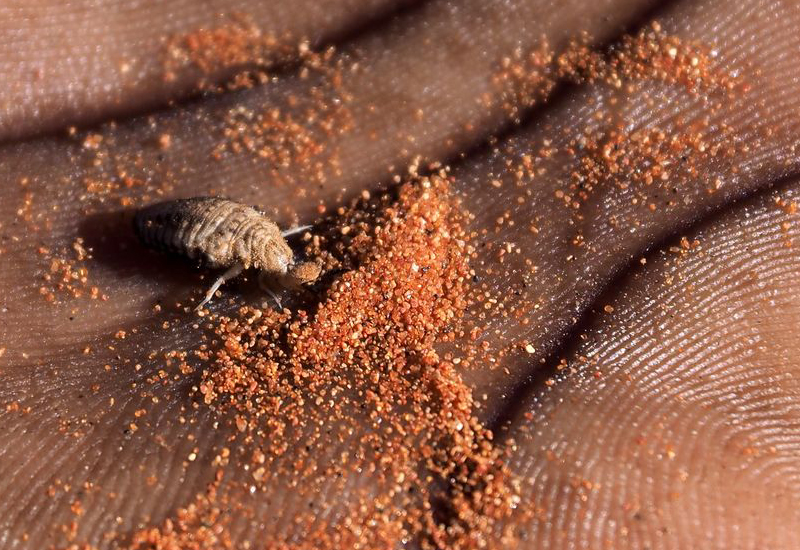
Antlions, also known as doodlebugs, are unique in their use of mud. They create cone-shaped sand traps to capture prey.
By burying themselves and using their heads and jaws, antlions transpose sand to the surface, forming these traps which can grow up to 8 inches high.
5. Cicada Killer Wasps: Nesting Habits
Female cicada killer wasps dig tunnels in bare, sandy soil to create their nests.
These nests are often accompanied by mounds and can be found in groups near garages, patios, and other dry, sandy areas.

6. Ants: Underground Nests
Certain ant species, such as fire ants, army ants, citronella ants, and leafcutter ants, construct mud tunnels.
These tunnels serve various purposes, including protection from predators, maintaining suitable temperatures, and building nests and colonies

7. Crayfish: Mud Covered Mounds
Crayfish, found near rivers, lakes, and streams, construct their homes by digging burrows into mud banks.
They create mud-covered mounds known as chimneys, providing shelter from predators and a place for laying eggs.
These mounds, often seen in wetlands and swamps, are essential for creating a safe and stable living environment for crayfish

Conclusion
Insects building mud houses display a fascinating aspect of nature’s creativity and ingenuity.
From the solitary mud dauber to the community-driven termites, each species has a unique approach to using natural resources for shelter and survival.
Understanding these insects helps us appreciate the complexity and diversity of the natural world.