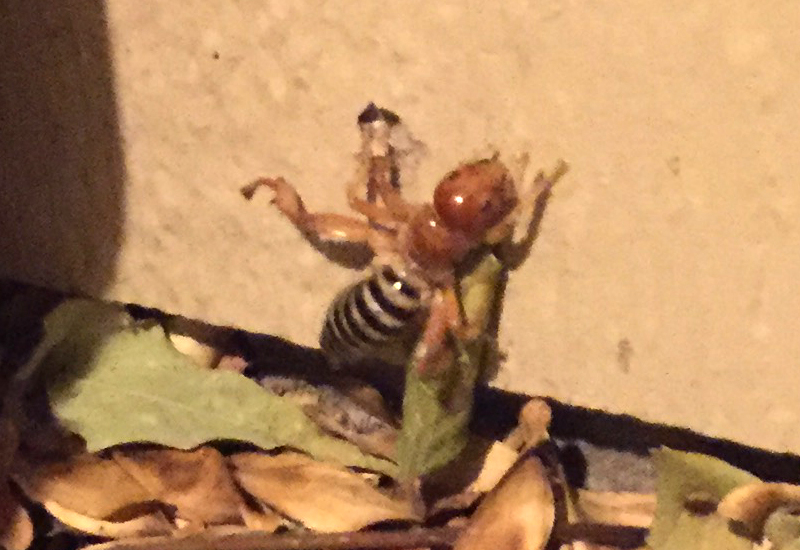
Jerusalem crickets, also known as potato bugs, are fascinating creatures that often leave many people curious about their habitat and lifestyle. These large, flightless insects are native to the western United States and Mexico, and typically reside in dry, grassy environments, as well as mountainous regions.
You may come across these crickets under rocks, logs, or other dark, sheltered areas during the day. The reason for this is that they are primarily nocturnal, which means they are most active at night. The different habitats that Jerusalem crickets live in are essential to their survival, providing them with the right conditions for feeding and breeding.
Overall, Jerusalem crickets are an intriguing insect species, with their habitats stretching across a variety of environments. It’s essential to respect their natural habitats, ensuring that these fascinating creatures can continue to thrive and contribute to the ecosystem.
Classification and Appearance
Taxonomy
Jerusalem crickets belong to the insect order Orthoptera. They are part of the family Stenopelmatidae, within the subfamily Stenopelmatinae. The genus Stenopelmatus and Ammopelmatus are the most well-known, containing several species of these fascinating insects. They reside in the phylum Arthropoda and class Insecta, which includes other insects such as crickets and grasshoppers.
Physical Description
These flightless insects have a unique appearance, featuring a large, rounded head and shiny, striped abdomen. Their bodies are typically 1-2 inches in length, and they have six spiny legs that help them navigate through their environments. The following features characterize Jerusalem crickets:
- Large, round head
- Shiny, striped abdomen
- Flightless
- Six spiny legs
Here’s a brief comparison of the Jerusalem cricket with another member of the order Orthoptera, the Gryllidae (true crickets):
| Feature | Jerusalem Cricket | True Cricket (Gryllidae) |
|---|---|---|
| Wings | Flightless | Usually have wings |
| Body Length | 1-2 inches | Varies, typically smaller |
| Head | Large, round | Smaller, less rounded |
| Abdomen | Shiny, striped | Less shiny, more uniform |
As you can see, Jerusalem crickets have quite a distinct appearance, setting them apart from other insects within the Orthoptera order. Their unique physical characteristics help them adapt to and survive in their environments.
Habitat and Distribution
Geographical Range
Jerusalem crickets or potato bugs are mainly found in the western United States, including California. They also inhabit some parts of Mexico and Central America. In North America, their distribution extends northward up to parts of Canada.
Examples of where you might encounter Jerusalem crickets include:
- Western United States, such as California, Arizona, and New Mexico.
- Parts of Central America, including Mexican regions.
- Some regions in the southern area of Canada.
Preferred Environment
Jerusalem crickets reside in a variety of habitats. They are commonly found in moist, cool environments like gardens, fields, and under rocks or logs. You may also find them in some dry, grassy areas.
Here are some preferred environments of Jerusalem crickets:
- Moist and cool environments like gardens and fields.
- Under rocks or logs, which offer protection and moisture.
- Comfortable in some dry, grassy areas.
Keep in mind that Jerusalem crickets are nocturnal creatures, so they typically stay hidden during the day. You are more likely to encounter them during dusk or nighttime when they venture out to find food and mates. Overall, the habitat and distribution of Jerusalem crickets indicate their adaptability to a wide range of environmental conditions found in western North America and parts of Central America.
Behaviour and Communication
Daily Activity
Jerusalem crickets, known for their unique appearance and intriguing behavior, are primarily nocturnal creatures. They spend their days hidden underground or under rocks and emerge at night to search for food. This helps them avoid predators and the harmful rays of the sun.
Sound Production
You might be surprised to learn that Jerusalem crickets employ various methods of communication, including hissing and drumming sounds. When they feel threatened, they produce a hissing noise by rubbing their back legs together. They also use vibrations to communicate with potential mates or rivals. For example, they may create drumming sounds by hitting their abdomen against the ground or a nearby object.
Mating Rituals
When looking to mate, Jerusalem crickets engage in a fascinating courtship display. The male cricket will produce a drumming sound to attract a female. If interested, female crickets respond by creating their own vibrations. This back-and-forth exchange is essential to their mating rituals.
During mating, the male Jerusalem cricket will:
- Approach the female from behind
- Gently tap her abdomen to signal his intentions
Below is a comparison table highlighting the communication methods used by Jerusalem crickets:
| Type of Sound | Method of Production | Purpose |
|---|---|---|
| Hissing | Rubbing back legs together | Defense |
| Drumming | Hitting abdomen on surfaces | Mate attraction |
By understanding Jerusalem crickets’ behavior and communication methods, you can gain a deeper appreciation for these intriguing creatures.
Diet and Predation
Eating Habits
Jerusalem crickets are known for their diverse diet. They primarily feed on nonwoody roots and tubers, which they find underground. You might also find them munching on insects like garden pests. These crickets play an essential role in controlling infestations of potentially harmful insects in gardens.
Predatory Behaviour
Despite their appearance, Jerusalem crickets are not venomous or dangerous to humans. They do have a powerful bite, but it is mostly used for hunting prey and not for self-defense. As far as predators go, Jerusalem crickets have a few natural enemies. Common predators include:
- Bats
- Coyotes
- Skunks
- Foxes
These predators play a crucial role in keeping the population of Jerusalem crickets in check. This helps maintain a balanced ecosystem where each species can continue to coexist.
So, next time you encounter a Jerusalem cricket, remember that it’s a helpful garden ally, and not a dangerous or venomous creature. Instead, appreciate the role it plays in your garden ecosystem and the food chain.
Reproduction and Lifecycle
Egg Laying
During mating, both male and female Jerusalem crickets engage in a “drumming” behavior, where they strike the ground repeatedly with their abdomens to communicate and locate each other source. After mating, the female lays white, oval-shaped eggs in the soil in small masses source.
Development Stages
Jerusalem crickets undergo several developmental stages. After hatching from eggs, nymphs emerge. They closely resemble adult crickets in appearance but are smaller and have a lighter color. Nymphs molt up to about 10 times before reaching adulthood source.
During their life cycle, Jerusalem crickets may take 2 to 5 years to reach maturity, depending on geographical latitude source. Adult crickets are large, about 1 ½ to 2 inches in length, and have strong jaws for chewing source. Once they reach adulthood, they live for an additional 2 to 6 months before dying.
Here are some key characteristics of Jerusalem crickets during their life cycle:
- Nymphs resemble smaller adults and molt about 10 times.
- Adults have strong jaws for chewing.
- They take 2 to 5 years to mature depending on location.
- Adults live for an additional 2 to 6 months.
The Jerusalem Cricket and Humans
Are They Dangerous?
Jerusalem crickets, also known as potato bugs, sand crickets, or stone crickets, are usually harmless to humans. They have mandibles that can deliver a painful bite if mishandled, but they don’t pose a significant threat. Some things to note about their interactions with humans include:
- They have no wings or powerful hind legs to help them escape.
- They are not aggressive unless threatened or roughly handled.
- They can emit a foul smell when disturbed, similar to some beetles.
- They live mostly underground and feed on organic matter, so they’re rarely encountered.
Nevertheless, it’s important to treat them with caution if you do come across one, mainly to avoid a painful bite.
Cultural References
Jerusalem crickets are also called “child of the earth,” “skull insect,” or “niño de la tierra” in Spanish, due to their distinctive appearance and cultural references. Although they might seem rare or mysterious due to their mostly hidden lifestyle, they are not considered endangered.
Different species of Jerusalem crickets belong to the genus Stenopelmatus, such as Ammopelmatus fuscus. People’s views about these insects can vary, ranging from fascination to fear.
In conclusion, Jerusalem crickets don’t pose significant danger to humans unless provoked, and they have an intriguing presence in various cultural aspects. Remember to keep a respectful distance if you encounter one, and appreciate their role in the ecosystem as natural decomposers and their unique cultural symbolism.