Mites are tiny creatures that are often difficult to see with the naked eye. However, when you take a closer look at them, you’ll notice that they have a unique appearance that sets them apart from other small organisms. Despite their small size, mites can cause irritation and discomfort to humans and animals alike.
To get an idea of what mites look like, imagine a spider but much smaller. In fact, mites are related to spiders and share some of their characteristics, such as having eight legs. Their bodies are typically oval-shaped, and their size can range from 1/32 inch or 0.8 mm for straw itch mites source to microscopic, depending on the species.
Some mites, like the red concrete/sidewalk mites source or the bright-colored clover mites, can be observed in outdoor environments. Meanwhile, other mites, such as dust mites, thrive indoors and are often invisible to the human eye. Recognizing the appearance of mites can help you better understand these tiny yet impactful organisms.
What are Mites
Mites are tiny arthropods that belong to the class Arachnida, which makes them relatives of spiders and scorpions. They are much smaller than insects and are often microscopic. As members of the animal kingdom, mites can be found in various habitats all over the world.
Although mites are arachnids, they differ from their cousins in a few key ways. For example:
- Mites often have a softer body, while spiders and scorpions have exoskeletons.
- Mites have a highly adaptable body shape, ranging from round to elongated.
- Unlike other arachnids, some mites can be parasitic, living on or inside other animals.
Here are some characteristics of mites:
- Usually have four pairs of legs.
- Can be beneficial or harmful.
- Some feed on plants, while others eat dead organic material.
- Many species are harmless, but a few are pests or parasites affecting humans, animals, and crops.
Some well-known types of mites include:
- Dust mites: Microscopic mites that live in carpets, bedding, and furniture, feeding on dead human skin cells. They can cause allergic reactions in some people.
- Flour mites: Small mites found in stored grains and flour products. They can cause contamination of food and infestations in factories or homes.
- Varroa mites: Harmful parasites on honeybees that can cause a decline in their population.
- Spider mites: Tiny pests that can cause serious damage to various plants, including houseplants and garden plants.
In conclusion, mites are diverse and ubiquitous arthropods with a wide variety of habits and characteristics. While some are harmless, others can pose risks to humans, animals, and plants. Being aware of these tiny creatures and their potential impact on your surroundings helps to better manage their presence.
Physical Characteristics of Mites
Mites Under Microscope
Mites are tiny creatures that are often microscopic in size. This means that, for most species, you’ll need a microscope to observe their full details. When placed under a microscope, you’ll notice some mites have a red color, like clover mites. Mites typically feed on various organic materials, such as dead skin cells or hair follicles, depending on the species.
Microscopic examination also reveals mite features, like their legs and body segments. Some common characteristics of mites include:
- Oval or round body shape
- Eight legs, similar to spiders and ticks
- Two main body segments, like ticks
Comparing Mites to Other Insects
Mites belong to the class Arachnida, which also includes other creatures like spiders, ticks, and scorpions. This sets them apart from insects like ants and roaches. Here’s a comparison table showing some differences between mites and these other creatures:
| Features | Mites | Ants | Ticks | Spiders | Roaches |
|---|---|---|---|---|---|
| Body Segments | Two | Three | Two | Two | Three |
| Legs | Eight | Six | Eight | Eight | Six |
| Size | Microscopic | Visible | Visible | Visible | Visible |
| Color | Varies (e.g., red) | Varies | Varies | Varies | Varies |
Keeping in mind these differences can help you distinguish mites from other common pests. It’s essential to identify them correctly to apply appropriate pest control measures where necessary.
Common Types of Mites
Dust Mites
Dust mites are tiny creatures that thrive in warm, humid environments. They usually live in house dust and feed on dead skin cells from humans and pets. You can’t see them without a microscope, but they can cause allergic reactions in some people. A few common species of house dust mites are Dermatophagoides farinae and Dermatophagoides pteronyssinus.
To minimize your exposure to dust mites, keep your home clean and well-ventilated. This helps to maintain a balanced humidity level that discourages dust mite growth.
Scabies Mites
Scabies mites (Sarcoptes scabiei) are tiny parasites that burrow into the skin and cause a highly contagious skin infection called scabies. The symptoms of scabies include itchiness, redness, and inflammation. Scabies mites can spread through direct contact with an infected person or contaminated items, such as clothing or bed linens.
To prevent scabies, maintain good personal hygiene and avoid sharing personal items with others. If you suspect that you have scabies, consult with a healthcare professional for proper diagnosis and treatment.
Demodex Mites
Demodex mites are microscopic organisms that can be found on human skin. There are two main species that affect humans: Demodex folliculorum and Demodex brevis. They usually live in hair follicles and sebaceous glands, feeding on oils and dead skin cells.
Most people have some Demodex mites on their skin, and they typically do not cause problems. However, in some cases, an overgrowth of these mites can lead to skin issues such as rosacea, dermatitis, or blepharitis. To keep your skin healthy, maintain a regular skincare routine and consult a dermatologist if you experience any unusual skin symptoms.
Remember that mites are diverse creatures with varying habits and effects on humans. By understanding the common types, you can better protect yourself from potential harm and maintain a healthier living environment.
Mites and Human Interaction
Mite Bites and Symptoms
Mites are tiny creatures that live around us, and in some cases, they can affect humans. For instance, the itch mite (Sarcoptes scabiei) causes scabies, a condition characterized by intense itching and skin rashes. When you come into contact with these mites, they can bite and burrow into your skin, leading to an infestation source.
If you are experiencing an infestation, there are several symptoms to look out for, such as:
- Itchy bumps or welts on the skin
- Rashes and dermatitis
- Sneezing and nasal congestion
- Cough and wheezing source
The face, particularly the area around the nose and mouth, is a common site for itch mite infestations source. Keep in mind, though, that mite bites can also occur on other parts of your body.
Since some people are more allergic to mite bites than others, reactions may vary. In more severe cases, hives or allergic dermatitis may form source.
To prevent mite infestations, you can take several precautions. Washing your bedding, clothing, and personal items regularly and vacuuming your home can help reduce the number of mites present. Additionally, maintaining a dry indoor environment discourages mite proliferation.
In summary, it’s essential to be aware of mite infestations and their potential impacts on your health. If you suspect an infestation or are experiencing symptoms, consult a healthcare professional for guidance and treatment options.
Mites in Household
Mites on Furniture and Bedding
Mites are tiny creatures that can infest your home, especially in areas where they can find food and shelter. Some common places where you might find mites include carpets, furniture, bedding, and mattresses.
When it comes to furniture and bedding, some species of mites, such as domestic mites, are known to cause allergic reactions and other health issues. These microscopic pests may invade your furniture or beddings, feeding on dead skin cells and other organic materials.
To identify mites on your furniture and bedding, look for spots or markings that could indicate their presence. If you’re dealing with an infestation, you might also notice itchy skin or respiratory issues. Regular cleaning and proper maintenance will help keep your home inhospitable for mites.
For your carpets, it’s essential to vacuum regularly, preferably using a vacuum with a HEPA filter. This helps remove mites and other allergens, contributing to a cleaner and healthier living space. Make sure to pay special attention to areas that may accumulate more dust, like edges and corners.
Mites can also be present on or near rodents, so keep in mind that dealing with a rodent infestation may require addressing any mite problems. Properly sealing your home, securing food sources, and using traps or repellants can help you discourage rodents and the mites that come with them.
In short, keeping mites at bay involves:
- Regular cleaning and maintenance of furniture and bedding
- Vacuuming carpets, especially with a HEPA filter
- Addressing rodent issues if present
By taking proactive steps and staying vigilant, you can reduce the likelihood of mites infesting various areas in your home.
Preventing and Treating Mites
Cleaning and Mite Prevention
To prevent mite infestations in your home, focus on regular cleaning. Here are some steps you can take:
- Vacuuming: Frequently vacuum carpets, rugs, and upholstery to remove mite allergens and eggs.
- Dusting: Regularly dust all surfaces, including shelves, baseboards, and window sills.
- Mopping: Mop hard floors with a damp mop to pick up lingering mites.
- Air conditioning: Use an air conditioner or dehumidifier to maintain low humidity levels, as mites thrive in high humidity.
- Bedding: Wash bedding in hot water at least once a week to kill mites and remove allergens.
Medical Treatments for Mite Bites
If you suffer from mite bites or an allergic reaction to mites, consider the following treatments:
- Over-the-counter treatments: Use hydrocortisone creams and antihistamines to reduce itching and inflammation.
- Corticosteroids: In more severe cases, a doctor may prescribe corticosteroids to help with inflammation.
- Decongestants: Decongestants can help relieve nasal congestion caused by mite allergies.
- Avoid scratching: Scratching mite bites can lead to infection, so try to resist the urge to scratch.
- Baths: Take a soothing bath to help relieve itching and inflammation from mite bites.
Pest Control for Mites
Professional pest control can help with mite removal if infestations persist despite your prevention efforts. When considering pest control for mites, weigh the pros and cons:
Pros:
- Effectively removes mite populations
- Can stop the spread of mites in your home
- Prevents further allergenic effects
Cons:
- Can be costly
- May involve the use of chemicals
- May require multiple treatments for complete removal
Remember, by regularly cleaning your home, seeking medical treatment for mite bites, and considering pest control when necessary, you can effectively prevent and treat mite infestations.
Mites and Other Animals
Mites on Plants
Mites are very small arachnids that can be found in various environments. As you might know, they are particularly common on plants, where they can cause damage to their hosts. For example, spider mites are notorious for feeding on plant cells, leaving behind stippling patterns and even killing the plant if left unchecked. Clover mites, on the other hand, primarily feed on grasses and clover, hence their name.
Mites can also be found on animals, particularly rodents and birds, where they can become parasitic. For instance, some mites may invade and parasitize the bodies of mammals or feed on their blood. However, be aware that not all mites are harmful. On the contrary, some species like predatory mites are beneficial, helping to keep the populations of harmful mites in check by preying on them.
To help you identify and understand the differences between some common mite species, here’s a comparison table:
| Mite Species | Host | Impact | Appearance |
|---|---|---|---|
| Clover Mite | Grass, Clover | Moderate damage | Reddish, oval |
| Spider Mite | Plants | Severe damage | Greenish, round |
| Predatory Mite | Mites | Beneficial | Similar to spider mites |
Some key points to remember about mites:
- Mites are arachnids, not insects.
- Mite species can differ in their host preferences and impact.
- Not all mites are harmful; some can actually be beneficial.
A friendly reminder: When you find mites on your plants or animals, it’s essential to take the appropriate steps to control and prevent further infestations. For plants, you might want to consider using organic or chemical controls, while for animals, consult a veterinarian for proper treatment options. Just remember that early intervention is crucial in protecting your plants and pets from the adverse effects of mites.
Potential Dangers of Mites
Mites can pose several potential dangers to your health and well-being. They vary in shape and size, but many are so small that they are difficult to see with the naked eye.
When it comes to health risks, one major concern is bites. These bites can cause skin irritation and may lead to infection if not properly treated. Biting mites can also be a source of parasitism, as certain species can live and feed on their human host.
In addition to bites, mites are well known for causing allergic reactions. For example, domestic mites are a common source of allergies. These reactions can be triggered by exposure to their feces and byproducts, which can lead to symptoms such as asthma, allergic rhinitis, and contact dermatitis.
Mites are also linked to the transmission of fungi. In this case, soil mites can carry fungal spores on their bodies, accidentally transferring them to humans when they come into contact with our skin. This fungal exposure may cause infections or exacerbate existing conditions.
While not all mites pose a direct threat, some can indirectly cause harm by upsetting the balance of the human body. For instance, a high concentration of mites in your mouth or throat can lead to inflammation and irritation, potentially affecting your overall health.
Here are some key points to remember about the potential dangers of mites:
- Mite bites can cause skin irritation and infection
- Domestic mites are a common source of allergies
- Mites can transmit fungi, leading to infection
- High concentrations of mites in the mouth or throat can cause irritation
Being aware of these potential risks is crucial in order to take the appropriate preventative measures and maintain a healthy living environment.
Interesting Facts About Mites
Mites are tiny creatures that are often difficult to spot with the naked eye. They come in various shapes and sizes, and can be found in many different environments, such as soil, plants, and even on your skin. Here are some interesting facts about mites that you might not know:
- Mites begin their life cycle as larvae. They hatch from eggs and then undergo several stages of development before becoming adults. In some species, the life cycle can be completed in just two weeks.
- These tiny creatures feed on a variety of organic materials, such as dead skin and plant matter. Some species, like dust mites, thrive in your home by feeding on the dead skin cells that you shed.
On the other hand, some mites are considered beneficial because they help control pests. For example, predatory mites are arachnids that feed on other, harmful mites. Here are some key features of predatory mites:
- They belong to the spider and tick family (arachnids)
- Predatory mites look almost identical to their prey, but they move more rapidly
- They consume dozens of pest mites every day, helping to control populations
Mites, such as Sarcoptes scabiei, can also cause health problems in humans and animals. This particular mite is responsible for scabies in humans and mange in dogs. However, it’s important to note that most mite species are harmless to humans, and some even help maintain a balanced ecosystem.
In conclusion, mites are incredibly diverse and have a variety of roles in our world. Some can be troublesome, while others are essential predators keeping other pests in check. So, the next time you encounter these tiny creatures, remember that they play a vital role in our environment.
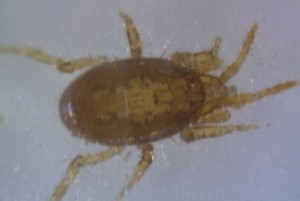
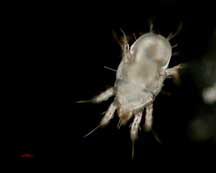
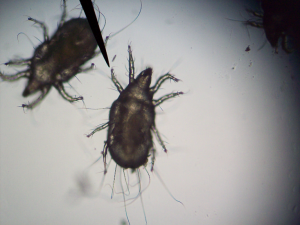

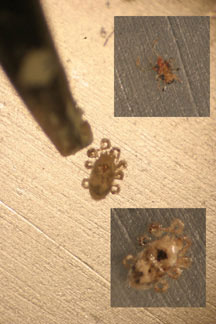
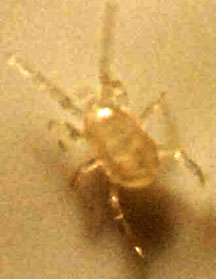
5 Comments.
The first photo appears to be a mite in the family Parasitidae. These predatory mites are often found in compost such as worm beds. They’re probably feeding on nematodes or other mites, not on the worms themselves.
These are “mold mites”, family Acaridae, genus Tyrophagus. The most common species, Tyrophagus putrescentiae, is found in many places around houses or stored food products. They will feed on molds or on many kinds of raw or processed foods.
Jess, thank you so much for posting photos. I have been searching all day for a photo of the bug I am dealing with, and thank you bmoc for your comment. I was about to give up and believe that this was D. Gallinae. I have these mites living in the space between my patio and the house and they are becoming a nuisance, coming in and out of the back door and some coming into the house through the kitchen sink. They seemed to arrive at the same time as the springtails this year and do tend to follow them. I have had three of the second photo of the large red mite in my house and they also came in with the others. Most websites I have found name them as Phytoseiulus Persimilis, but I have also seen a few mentions of them as the common red spider mites. I am no expert, just trying to solve my own bugs problems, but thought I would share.
Not sure about the upper left hand pic But the rest r bird / rat mites. Sadly the info available to doctors is outdated. Unless they dig a little deeper
Four years doctors have believed that Birdmites. don’t infect or in the first humans and that’s what they’ve been telling us. As it turns out bird and wrap might both canon first humans and their home their environment can become completely infested. We have been told that Birdmites. cannot reproduce if consuming human blood as their food source. Turns out that these mites aren’t that particular and can reproduce off of any blood of most warm blooded animal
That is an avian mite. Most likely O. Bursa, but could be D. Gallinae.