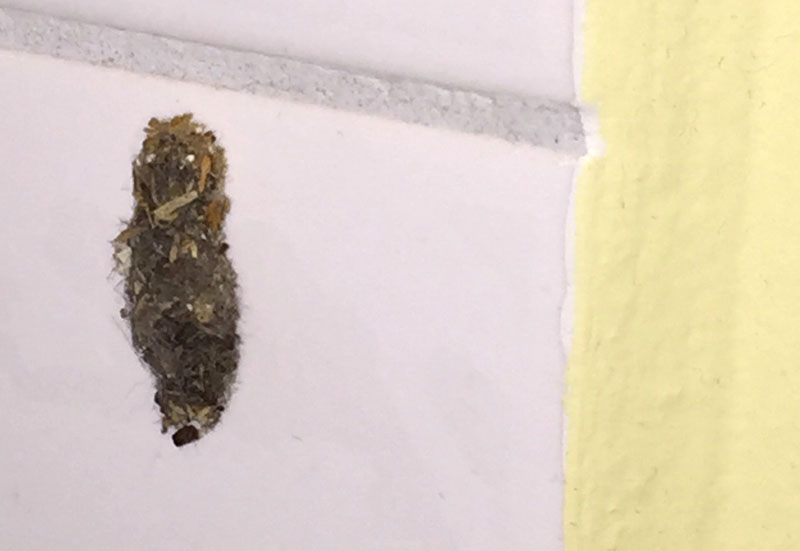
Case bearing moth larvae can be a nuisance in your home, as they feed on various materials, including clothing and fabrics, causing potential damage to your belongings.
These little critters are small, white caterpillars with brown heads, often found in dark and undisturbed areas.
To effectively get rid of these pesky insects, it’s important to understand their life cycle and habits. This way, you can tackle the problem at its root cause and prevent future infestations.

In this article, we will discuss a few methods to eliminate case bearing moth larvae from your home, ensuring a cleaner and safer living environment.
A key aspect of dealing with case bearing moth larvae is thorough cleaning and regular inspection of areas prone to infestation.
By maintaining a clean and well-organized home, you can prevent larvae from finding suitable places to grow and multiply, thus protecting your valuables from potential damage.
Identifying Case Bearing Moth Larvae
Moth Species
There are multiple moth species that fall under the case-bearing category, the major one being Tinea pellionella. These moths are also known as casemaking moths.
Larvae Characteristics
The case-bearing moth larvae are distinguishable by their unique features:
- Small in size
- White or cream in color
- Brown head
- Build cases around themselves, using materials from their environment
Cases differ depending on the moth species and their surroundings.

Moth Identification
The moths themselves can be identified based on their physical features. For example, Tinea pellionella moths have the following traits:
- Wingspan of around 1/2 inch
- Yellowish in color
- Narrow wings
- Long hairs along the wing edges
Keep in mind that the adult moth’s appearance is an indicator of the presence of larvae. Identifying the adult moth is crucial for successful case bearing moth larvae control.
Causes of Infestation
Food Sources
Case bearing moth larvae primarily feed on natural fibers containing keratin, a protein found in materials like:
- Fur
- Wool
- Silk
- Feathers
These protein-rich materials are commonly found in clothing, carpets, and various household items. Pantry moths, on the other hand, prefer food sources such as grains, cereals, and dried fruits.
Clothing and Fabrics
Moth infestations often start in areas where clothing and fabrics made of fur, wool, silk, and cotton are stored.
They lay their eggs on these materials, leading to an increase in larvae presence. Here are some examples:
- Wardrobes
- Closets
- Dresser drawers
- Storage containers
Here are a few difference between case bearing moths and clothes moths, another similar moth species that can impact your household.
| Clothes Moths | Case Bearing Moth Larvae |
|---|---|
| Prefer wool | Feed on various materials |
| Lay eggs in confined spaces | Produce webbing and cocoons |
Indoor Conditions
Indoor conditions play a significant role in case bearing moth larvae infestations:
- Temperature: Ideal for moth larvae growth; they prosper in warm, dark conditions.
- Humidity: High humidity levels increase the likelihood of an infestation, as it provides the perfect environment for larvae to thrive. Try a dehumidifier to disrupt your infestation.
- Clutter and poor ventilation: A cluttered space with limited airflow enables moths and larvae to hide, undisturbed, prolonging the infestation.
Maintaining a clean and well-ventilated living space, along with proper storage of clothing and fabrics, can help prevent and control moth infestations.

Damage Caused by Larvae in Households
There are multiple insect larvae that can affect your household items. Here is a brief summary of the damage that larvae can cause in your homes.
Clothing Damage
Clothes Moth larvae can cause significant damage to clothing. They feed on the proteins found in natural fibers like wool, silk, and cotton. These larvae are attracted to garments with:
- Sweat
- Stains
- Body oils
When feeding, the larvae can create small holes in clothes, ruining their appearance. They prefer dark, undisturbed areas like the corners of closets or drawers.
Carpet and Fabric Damage
In addition to clothes, moth larvae can also cause damage to carpets and other fabrics. Carpet beetle larvae tend to chew holes through fabric, while clothes moth larvae prefer to graze along the surface.
Damage to carpets and fabrics often occurs in areas that are less accessible or not frequently disturbed, such as:
- Under furniture
- Along baseboards
- In closets
Food Contamination
Moth larvae are not limited to damaging clothes and fabrics. Some moth larvae like pantry moth types infest and contaminate food items like grains, cereals, and flour.
When dealing with moths, it’s essential to identify the type of moth larvae involved to assess the potential damage and take appropriate control measures.
How to Get Rid of Case Bearing Moth Larvae: Prevention and Control Methods
Cleaning and Vacuuming
One of the most effective ways to avoid an infestation of case bearing moth larvae is by regular cleaning and vacuuming. Focus on areas where fibers, dust, and hair accumulate, such as:
- Under furniture
- Along baseboards
- In closets and drawers
By eliminating their food sources, you can prevent moth larvae from thriving and multiplying.
Also, consider washing and storing clothes in sealed containers, especially if they’re made from natural fibers like wool, silk, and fur.

Moth Traps and Pheromones
Using moth traps can also help control moth larvae populations.
These traps often use pheromones to attract adult moths, preventing them from laying eggs. Some effective moth traps include:
Moth traps are a non-toxic and pesticide-free option that specifically targets moths, reducing the risk to other beneficial insects.
| Moth Trap Type | Pros | Cons |
|---|---|---|
| Sticky pheromone trap | Non-toxic, easy setup, targets adult moth | Must replace frequently, not reusable |
| Funnel trap | Reusable, efficient | More expensive, harder to find |
Natural Repellants
There are several natural repellants that can deter moths and protect your clothing and belongings. Place these aromatic herbs in closets, drawers, or storage containers:
- Lavender Packets
- Cedar like Dr. Killigan’s Cedar Planks
- Bay leaves
- Cloves
- Rosemary
- Thyme
- Vinegar (diluted)
These natural repellants are a safe and eco-friendly method to prevent moth infestations. Remember to replace them regularly to maintain their effectiveness.
In summary, by maintaining cleanliness, using moth traps, and applying natural repellants, you can effectively prevent and control case bearing moth larvae.
[sc name=”bugquiz” ][/sc]Treatment and Removal Techniques
Professional Pest Control Services
Hiring a professional pest control service can be very effective in eliminating a case bearing moth larvae infestation.
They have access to specialized products and methods that are more efficient than common home remedies. Some examples include:
- Pesticide treatments: Targets moth larvae and eggs more effectively than over-the-counter products
- Heat treatments: Professionals can raise temperatures enough to kill larvae and eggs without damaging fabrics
Keep in mind that chemical solutions can be dangerous so always approach with caution.

Moth Proofing Storage
Prevention can be as essential as treatment. Here are some moth prevention strategies for storage:
- Store clothing and fabrics in airtight containers
- Use moth-prevention clothes & carpet moth traps
Key features of moth-proofing storage:
- Airtight containers keep out moths, larvae, and eggs
- Moth traps attract and capture adult moths, preventing further reproduction
Life Cycle and Habits of Case Bearing Moths
Egg Stage
- Female moths lay small, white eggs on suitable food sources for larvae.
- Eggs hatch within 4-10 days depending on the environment.
Larval Stage
- Shiny white larvae with dark-colored head capsules.
- Feed on various fibers and textiles.
- Develop through 5-45 instars depending on the species.
- Use webbing to create protective silken cases or tubes.
- Larval stage lasts between 35 days to 2.5 years based on environmental factors. 1
Adult Stage
- Tiny, yellowish adult moths with 1/2 inch wingspan.
- Male moths are more active flyers than female moths.
- Adults typically do not feed, living for only 30 days on average.
- Females lay eggs before dying, completing the life cycle.
Conclusion
In conclusion, eradicating Case Bearing Moth larvae from your home requires a meticulous understanding of their lifecycle, habits, and the conducive conditions for their infestation.
These pesky larvae, characterized by their small size, white or cream color, and unique case-building behavior, can wreak havoc on clothing, carpets, and even food items if left unchecked.
The adult moths, although harmless, signal the presence of larvae and potential damage.
Employing a blend of preventive measures like regular cleaning and using moth traps, alongside corrective actions such as professional pest control services, can significantly mitigate the risks and nuisances associated with these insects.
Footnotes