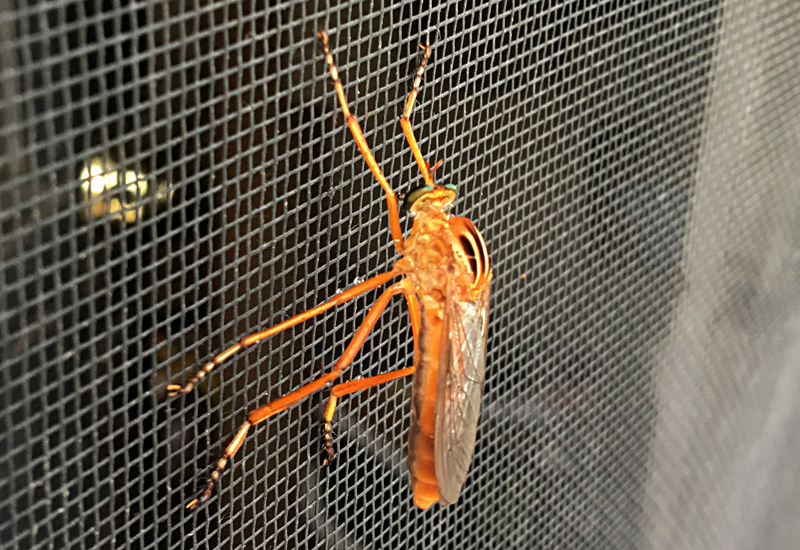
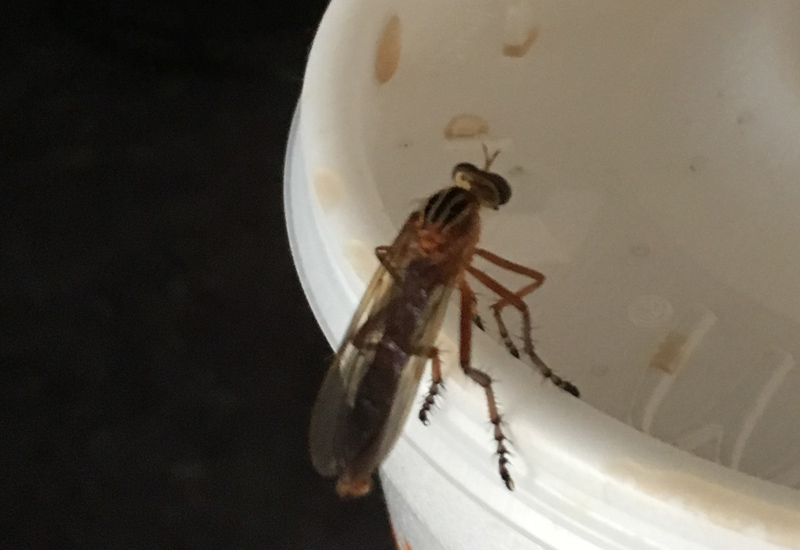
The Hanging Thief is a fascinating insect known for its unique behavior and intriguing appearance. Belonging to the robber fly family (Asilidae), these predatory insects are commonly found in North America and play a vital role in controlling various pest populations. With their distinctive elongated body and intriguing hunting methods, the Hanging Thief captures the attention of enthusiasts and casual observers alike.
One of the most striking features of the Hanging Thief is its habit of hanging from a single leg while consuming its prey. This behavior earned the insect its common name and fuels curiosity about its lifestyle and diet. As ambush predators, Hanging Thieves feed on a range of insects, including flies, bees, and wasps, which they catch mid-flight using their strong legs and sharp, piercing mouthparts.
In terms of appearance, Hanging Thieves have:
- Elongated, slender bodies
- Large, prominent eyes
- Strong, spiny legs
Their unique predatory behavior and diverse diet play an essential role in maintaining ecological balance in their ecosystem. By controlling the populations of various insect species, Hanging Thieves ultimately contribute to the overall health of their habitats.
Identification and Classification
Genus Diogmites
Diogmites is a genus of robber flies belonging to the family Asilidae. They are commonly known as “hanging thieves” due to their unique habit of hanging by their front legs while consuming prey. Features of the genus Diogmites include:
- Long, slender body
- Strong, spiny legs
- Prominent proboscis for piercing prey
Some examples of species within the genus Diogmites are:
- Diogmites neoternatus
- Diogmites angustipennis
- Diogmites salutans
Family Asilidae
The hanging thieves belong to the family Asilidae, which consists of over 7,000 species of robber flies. Asilidae can be identified by their:
- Robust body
- Large, forward-facing eyes
- Short, strong proboscis for piercing and sucking prey
In comparison to the other members of the family, Diogmites stand out due to their hanging behavior and long, slender body.
Subfamily Dasypogoninae
The subfamily Dasypogoninae is a part of the family Asilidae. Including the genus Diogmites, this subfamily is characterized by:
- Predatory behavior
- Short, dense hairs on the body
- A preference for drier habitats
| Family & Subfamily | Notable Features | Examples |
|---|---|---|
| Asilidae | Robust body, large eyes | Promachus, Laphria |
| Dasypogoninae | Short hairs, dry habitats | Diogmites, Dasypogon, Sarota |
Overall, understanding the classification and identification of hanging thieves (genus Diogmites) clarifies their unique position within the family Asilidae and subfamily Dasypogoninae, setting them apart by their distinctive features and behaviors.
Physical Characteristics
Size and Appearance
The Hanging Thief is a large fly belonging to the robber fly family. Its key features include:
- Typically 1/2 to 1 inch long
- Slender body with long legs
- Brown or grayish color
These flies are known for their aerial hunting skills and ability to catch their prey mid-flight.
Mouthparts
The Hanging Thief has mouthparts adapted for piercing and sucking. The primary components include:
- A proboscis for feeding
- Sharp, needle-like structures for piercing
These mouthparts allow the fly to consume its prey effectively.
Compound Eyes
The fly’s compound eyes are one of its most notable features. They provide the Hanging Thief with:
- Excellent vision for hunting
- A wide field of view
The eyes are large, covering most of the head, and typically reddish-brown in color.
Mystax
Another distinctive characteristic of the Hanging Thief is the mystax, a set of bristles located on its face. The mystax serves to:
- Protect the mouthparts from damage
- Stabilize prey during feeding
Overall, the Hanging Thief’s unique features make it an efficient predator in its natural habitat.
Distribution and Habitat
United States
The Hanging Thief is a type of robber fly commonly found throughout the United States. They prefer habitats such as:
- Forest edges
- Grassy areas
- Meadows
Mississippi River
The Mississippi River region provides suitable habitat for Hanging Thieves due to the abundance of:
- Riparian vegetation
- Large insect populations as prey
Range and Numbers
Hanging Thieves have a wide distribution and can be found across North America. While exact numbers are not known, they are considered to be a common species.
| Feature | Hanging Thief | Other Robber Flies |
|---|---|---|
| Habitat preference | Forest edges, grassy areas, meadows | Varies depending on species |
| Range | United States, especially near Mississippi River | Different species found worldwide |
Pros of Hanging Thieves:
- Control insect populations by preying on them
- Help maintain ecosystem balance
Cons of Hanging Thieves:
- May bite humans when threatened
- May invade personal space if they are disturbed
Behavior and Feeding Habits
Predatory Nature
The Hanging Thief, a species of robber flies, is a skilled predator that mainly preys on various insects. Examples of its prey include:
- Bees
- Wasps
- Dragonflies
- Mosquitoes
These predators use their strong legs to catch their prey in mid-flight, demonstrating outstanding agility.
Ambush Predator
Hanging Thieves are ambush predators, using a sit-and-wait strategy to capture their prey. They often perch on branches or leaves, blending in with their surroundings before attacking unsuspecting insects.
Characteristics of ambush predators:
- Excellent camouflage
- Patience
- Quick attack reflexes
Hunting Techniques
The Hanging Thief uses two main hunting techniques to catch its prey:
Chase
When a suitable target enters its sight, the Hanging Thief takes off and chases it down in mid-air, capturing it using its powerful legs.
Perch and Wait
As previously mentioned, the Hanging Thief is an ambush predator. It patiently waits on a leaf or branch for prey to come close, then launches a surprise attack.
| Hunting Technique | Pros | Cons |
|---|---|---|
| Chase | Can track and catch agile insects | Requires more energy |
| Perch and Wait | Energy efficient | Limited to nearby prey |
Using a combination of these hunting techniques allows the Hanging Thief to efficiently find and consume various prey, contributing to its reputation as an effective and voracious predator.
Life Cycle and Reproduction
Larval Stage
- Larvae of the Hanging Thief (also known as Diogmites missouriensis) are found in damp soil near water sources, such as a rush.
- They are predators, feeding on smaller insects.
Example:
- A Hanging Thief larvae might hunt small insects like aphids in its environment.
Adult Stage
- Adult hanging thieves are known for their eerie hovering behavior in mid-air.
- They use long legs to snatch prey, such as bees or flies, out of the air.
Comparing Larval and Adult Stages:
| Larval Stage | Adult Stage | |
|---|---|---|
| Habitat | Damp soil near water sources | Air, close to food sources |
| Feeding Habits | Predatory, on small insects | Predatory, capturing larger insects |
Characteristics of Hanging Thieves:
- Agile fliers
- Prey on various insects
- Can hover in mid-air
Pros of Hanging Thieves as Natural Predators:
- Reduce pest insect populations
- Contribute to maintaining a balanced ecosystem
Cons of Hanging Thieves as Natural Predators:
- May catch beneficial insects along with pests
Overall, understanding the life cycle and reproduction of the Hanging Thief can help us appreciate their role in the ecosystem and their unique behaviors in both larval and adult stages.
Interaction with Humans
Bite Prevention
The Hanging Thief, a type of robber fly, may bite humans if mishandled or threatened. To prevent bites:
- Avoid handling the bug directly
- Wear gloves if necessary
Bites usually cause pain and swelling but are rarely serious.
Importance in Ecosystem
Hanging Thieves play a vital role in their ecosystem. Some benefits include:
- Controlling pest populations
- Serving as food for larger predators
Let’s compare Hanging Thieves to another predator, for example, dragonflies:
| Characteristic | Hanging Thief | Dragonfly |
|---|---|---|
| Prey | Insects | Insects |
| Hunting style | Ambush | Aerial |
| Habitat | Stems, branches | Water, vegetation |
Hanging Thieves, with their flexible legs, can easily grasp onto stems and branches when hunting. They are very agile predators that help maintain balance in their ecosystems and are generally not a cause for concern among humans.