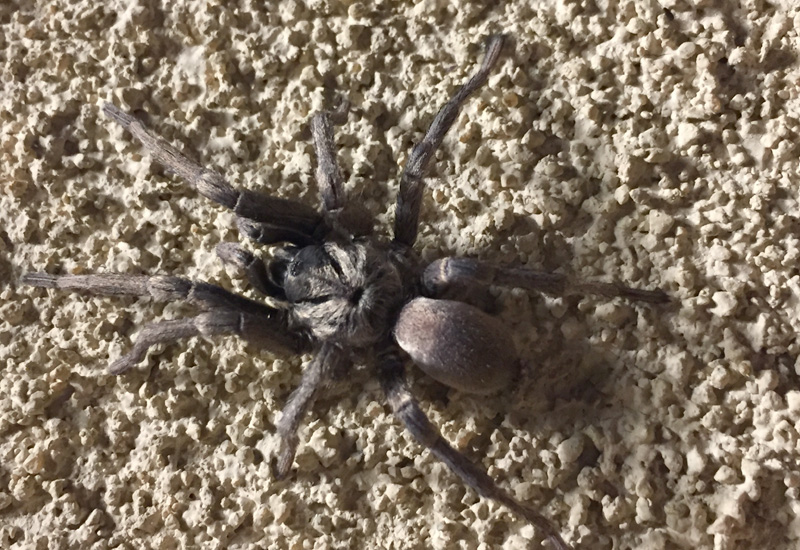
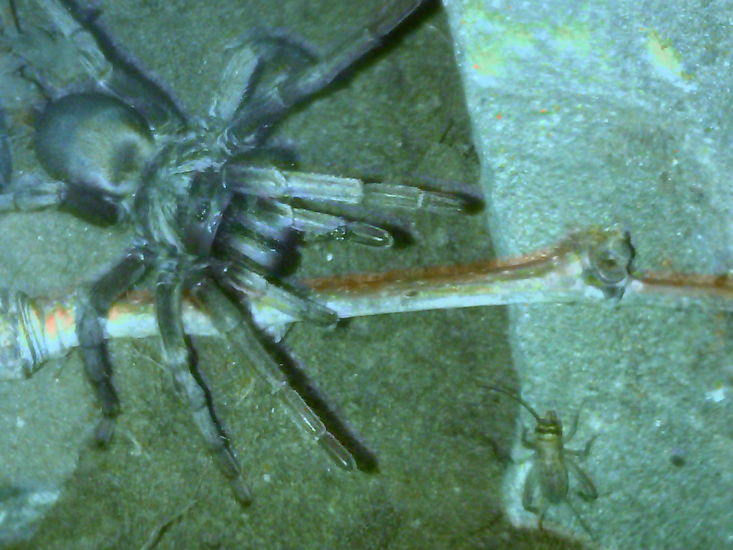
Tarantulas are often perceived as dangerous and aggressive creatures due to their size and appearance. However, it’s essential to know whether these spiders are actually harmful to humans through their bites or other defenses.
Although tarantulas do possess venom and can bite, they generally pose no serious danger to humans. In fact, their bites are often compared to a bee sting in terms of pain and effects. When threatened, a tarantula will initially rear up on its back legs, exposing its fangs, and may even eject hairs from its abdomen that are coated with venom (source).
Varieties of tarantulas differ in their characteristics, and some examples include the common Rose Hair Tarantula and the Goliath Birdeater Tarantula. While the specific traits of each species may vary, these spiders share common behaviors and features, such as:
- Nocturnal habits
- Unique defensive behaviors (e.g., flicking hairs)
- Lifespans that can span several years
- Males having a shorter lifespan than females
Tarantula Characteristics
Species and Distribution
- Tarantulas are a group of large, hairy spiders belonging to the family Theraphosidae.
- Over 900 different species are found worldwide.
- They primarily inhabit tropical and subtropical regions across South America, North America, and other areas.
For example:
- The Chilean Rose Tarantula is native to South America.
- The Goliath Bird Eater, one of the largest species, also comes from South America.
Sizes and Colors
- Tarantulas vary in size and color across species, with some being more vibrant than others.
- Sizes can range from around 3 to 5 inches (7.6 to 12.7 cm) to nearly a foot in leg span for the Goliath Bird Eater.
Colors include:
- Brown (Common Puerto Rican Brown Tarantula)
- Black and red (Mexican Red Knee Tarantula)
Behavior and Habitat
Behavior:
- Tarantulas are typically nocturnal predators.
- They don’t spin webs to catch prey, but instead use venom and silk to immobilize them.
Habitat:
- Tarantulas prefer living in burrows in the ground.
- Some create silk linings in their burrows, using it for protection and insulation.
Molting and Growth
- Tarantulas molt, or shed their exoskeleton, to grow larger.
- Molting occurs multiple times in a tarantula’s lifecycle, which can last several years.
- In captivity, some tarantulas may molt less frequently due to more stable conditions.
Pros and cons of molting:
- Pros: Allows for growth and repair of damaged exoskeleton.
- Cons: Tarantulas are vulnerable to predators during the molting process.
| Comparison | Tarantulas | Other Spiders |
|---|---|---|
| Size | Large | Small to large |
| Web use | Minimal | Extensive |
| Habitat | Burrows | Various |
| Molting frequency | Multiple times | Varies |
Tarantula Bites
Bite Frequency
Tarantulas are not aggressive creatures, but they can bite if they feel threatened or provoked. However, most species of tarantulas rarely bite humans. When they do, it is typically a defensive measure rather than predatory behavior.
Pain and Venom Effect
The impact of a tarantula bite can vary greatly depending on the species involved. In general, the pain from a tarantula bite may be mild to moderate, similar to a bee sting. Some individuals may experience more severe pain, especially if they are allergic to the venom. Common symptoms include:
- Localized pain and swelling
- Redness around the bite area
- Mild itching
Tarantulas possess venom, but for most species, the venom is not harmful to humans and poses no serious danger. However, there are some exceptions, such as the Old World tarantulas, whose venom can cause more severe reactions.
Comparison of Tarantula Bites and Other Spider Bites
| Tarantula Bite | Typical Spider Bite | |
|---|---|---|
| Pain | Mild to moderate | Moderate to severe |
| Venom | Usually mild; moderate in some species | Varies by species; can be dangerous |
| Frequency | Rare | Common |
In conclusion, tarantula bites are infrequent and often less dangerous when compared to other spider bites. Their venom is generally mild, but certain species might have more potent venom. People with allergies to the venom may experience more severe reactions.