Beetles are a diverse group of insects that can be found in various ecosystems around the world.
While some beetles are harmless, others are known to bite or cause harm to humans when handled.
It’s important to be aware of the types of beetles you might encounter and whether they pose any risk.

Predatory beetles, such as rove beetles and soldier beetles, are among the types that may bite if mishandled.
Additionally, certain long-horned beetles, like the old house borer, can cause structural damage to homes during their larval stage, although they may not directly bite humans.
Remember, not all beetles pose a threat, and many contribute positively to their ecosystems.
For example, the six-spotted tiger beetle is a ground-dwelling beetle that helps control other harmful insects.
It’s essential to understand the different species you might encounter and practice caution when handling them.
Do Beetles Bite?
Beetle Bites on Humans
Beetles are a diverse group of insects, with about 30,000 species in the U.S. and Canada alone.
While many beetle species likes bess beetles and ladybugs are harmless and do not bite humans, some species can cause pain or irritation if they feel threatened.
For instance, ground-dwelling beetles like tiger beetles and ground beetles may bite when handled. These bites can be painful, but the beetles are not venomous and the pain typically subsides quickly.
Here are some quick facts about beetle bites:
- Majority of beetles do not bite humans
- Painful bites may occur when certain species feel threatened
- Bites are not venomous and typically do not cause any major health issues
In comparison, some common beetles that do not bite include ladybugs and long-horned beetles, such as the old house borer.
Comparison table:
| Beetle Species | Bite Humans | Venomous |
|---|---|---|
| Tiger Beetles | Yes | No |
| Ground Beetles | Yes | No |
| Ladybugs | No | N/A |
| Long-horned Beetles (e.g., old house borer) | No | N/A |
In conclusion, while some beetle species may bite humans, the majority do not. Bites can be painful but are not venomous or harmful in most cases.
Types of Biting Beetles
Blister Beetles
Blister beetles, belonging to the Meloidae family within the Coleoptera order, get their name from their defensive secretion called cantharidin.
This substance, when in contact with skin, may cause blistering.
Although these insects aren’t naturally aggressive, they can bite when threatened or mishandled.
- Color: Many species are brightly colored, often in red or yellow.
- Bite Effects: Blisters, skin irritation, and in rare cases, severe reactions.
Examples of blister beetles include the striped blister beetle and the Spanish fly. Handling them with care is crucial to avoid adverse effects.

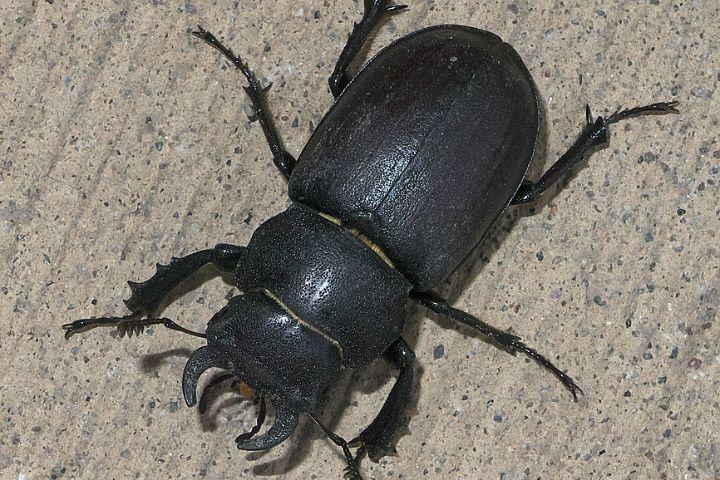
Stag Beetles
Stag beetles, also part of the Coleoptera order, are known for their enlarged and often impressive mandibles.
Males use these for fighting other males and securing mates. While they may appear intimidating, stag beetles are generally harmless to humans. However, if provoked or mishandled, they may bite.
- Color: Typically brown or black, with some species displaying red accents.
- Bite Effects: Painful but usually non-harmful pinch, with no lasting damage.
Examples of stag beetles include the antlered American stag beetle and the Eastern stag beetle. It is essential to remember that they are more afraid of you than you should be of them.
| Beetle Type | Bite Effects | Example |
|---|---|---|
| Blister Beetles | Blisters, skin irritation | Striped Blister Beetle |
| Stag Beetles | Painful pinch, no lasting damage | Antlered American Stag Beetle |
Symptoms and Reactions to Beetle Bites
Skin Reactions
Beetle bites can cause various skin reactions, ranging from mild to severe.
Some people may experience redness, itching, or discomfort at the bite site. In other cases, more severe reactions can occur, such as welts, blisters, or burning sensations.
For example, blister beetles release a toxic substance called cantharidin that causes blister beetle dermatitis.
To summarize:
- Redness and itchiness
- Welts, blisters, or burning sensations
- Blister beetle dermatitis
Allergic Reactions
Some individuals may experience allergic reactions to beetle bites, which can vary in severity.
Mild allergic reactions may include localized swelling, itching, or redness, while more severe reactions could involve difficulty breathing, chest pain, or intense pain at the bite site.
In rare cases, life-threatening anaphylactic reactions can occur.
| Skin Reactions | Allergic Reactions |
|---|---|
| Redness | Swelling |
| Itching | Itching |
| Welts or blisters | Redness |
| Burning sensations | Breathing difficulties |
| Blister dermatitis | Chest pain |
| Anaphylaxis |
It’s important to note that not all beetles bite, and many of them are harmless.
However, it’s still essential to be aware of the potential symptoms and reactions to be better prepared in case of a bite.
Keep in mind that the severity of a reaction can vary depending on the type of beetle and each individual’s sensitivity.

Preventing and Treating Beetle Bites
Preventing Beetle Infestations
To prevent beetles from infesting your home and garden, consider these tips:
- Keep plants healthy: A strong defense system keeps pests at bay.
- Keep it clean: Remove debris, dead leaves, and branches to eliminate hiding spots.
- Use natural predators: Introduce beneficial insects such as ladybugs or parasitic wasps.
- Use traps: Pheromone traps are helpful in controlling pests like Japanese beetles.
For example, to protect your trees from wood-boring beetles, ensure they are properly cared for and avoid injuring the bark.
| Method | Pros | Cons |
|---|---|---|
| Healthy plants | Strengthen defense mechanism | Regular maintenance required |
| Cleanliness | Reduces hiding spots | Constant vigilance needed |
| Natural predators | Environmentally friendly | Can introduce new problems |
| Traps | Effective in reducing infestations | May require frequent checks |
[sc name=”bugquiz” ][/sc]
Treating Beetle Bites
Most beetles do not bite or possess poison. However, if bitten, follow these steps:
- Clean the area: Use soap and water to reduce infection risk.
- Apply ice: To minimize swelling and pain, use an ice pack.
When bitten by a scarab beetle, remember that the pain is not from the mouthparts but from their strong hold with their antennae.
In case of an allergic reaction or signs of infection, consult a doctor as antibiotics might be necessary.
Remember to consult a professional exterminator when infestations are severe, and use caution to protect pets from potential toxic substances.
Conclusion
Beetles, a diverse group of insects, are often misunderstood. While many beetles are harmless, some can bite or cause discomfort when mishandled.
Predatory beetles like rove beetles and soldier beetles might bite if provoked.
However, the majority of beetles are not harmful to humans. For instance, ground-dwelling beetles such as tiger beetles may bite, but their bites are not venomous and usually cause minimal discomfort.
It’s essential to recognize the different beetle species and exercise caution when handling them.
Always remember, not all beetles pose a threat, and many play beneficial roles in our ecosystems.


 |
 |


