Cotton Stainer is a type of insect known for damaging cotton crops by feeding on the plant’s seeds and leaving behind stains on the fibers. These pests, scientifically known as Dysdercus suturellus, were once considered the most destructive cotton pest in Florida, but their current impact has diminished, making them a minor pest in the southern region of the state 1.
Despite their reduced impact on cotton crops, it’s still important for cotton growers to be familiar with these insects. Cotton Stainer bugs not only impact the yield of the cotton plants but also the quality of the fibers, which can lead to a reduction in value due to the presence of stains on the cotton. Understanding their behavior and finding methods to prevent and control infestations is essential for maintaining healthy and high-quality cotton crops.
Understanding Cotton Stainers
Scientific Name and Genus Dysdercus
Cotton stainers are insects belonging to the Dysdercus genus, with the most important species being Dysdercus suturellus. They are called cotton stainers due to their feeding activities on cotton, which can stain the lint and reduce its value 1.
Physical Characteristics and Identification
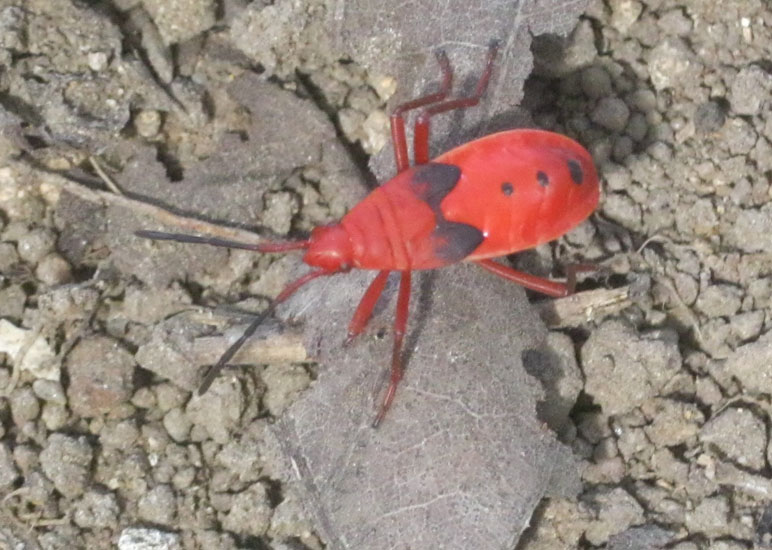
Cotton stainers, also known as “red bugs”, have the following physical features:
- Bright red or orange body color
- Black, elongated marking on their wings
- Size: approximately 8-12 mm long 2
Geographical Distribution
Cotton stainers are found in various regions, including:
- North America
- Cuba
- India
- Jamaica
- Puerto Rico
- Alabama
- Georgia
- South Carolina
They were historically the most destructive cotton pest in Florida, but are now considered a minor pest in the cotton industry3.
Life Cycle and Development
Eggs and Nymphs
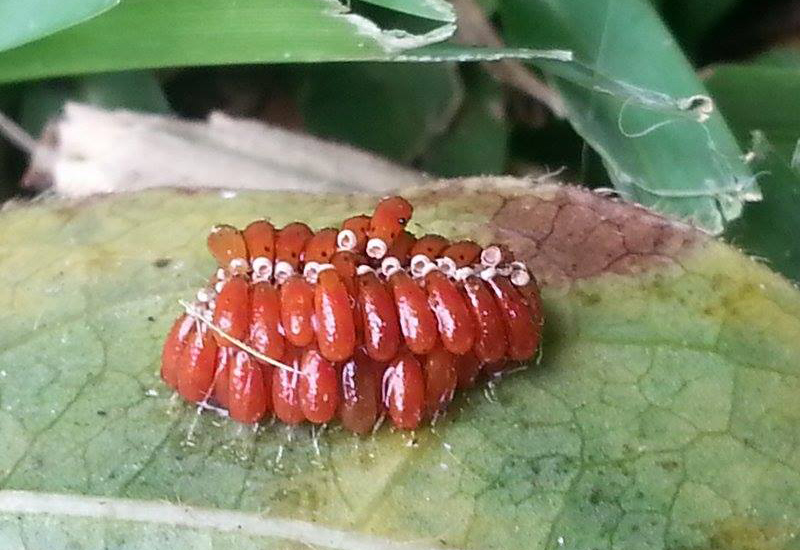
Cotton stainers go through a life cycle that consists of eggs, nymphs, and adult stages. Female cotton stainers lay their eggs, which usually hatch within 7-10 days. Cotton stainer nymphs are generally red and go through five instars. Each instar stage takes about 21 to 35 days to complete development, depending on temperature differences source.
Development process:
- Eggs: Hatch within 7-10 days
- Nymphs: Red, pass through five instars
The nymphs possess wing pads and abdominal segments that gradually develop as they progress through the instars. As the nymphs grow, they molt, shedding their exoskeleton and leaving behind a larger one to accommodate their increasing size.
Adults and Reproduction
Cotton stainer adults, like nymphs, are red, but they also have fully developed wings. The life cycle of a cotton stainer varies from about a month to three and a half months, primarily depending on temperature differences source.
Adults mate to reproduce, initiating another generation of cotton stainers. Proper management of cotton stainers ensures the quality and yield of the cotton crop.
A comparison table of life stages:
| Life Stage | Color | Duration | Wings? | Mating |
|---|---|---|---|---|
| Nymphs | Red | 21 to 35 days per instar | No | No |
| Adults | Red | 1 to 3.5 months total cycle | Yes | Yes |
To summarize some important points about cotton stainer’s lifecycle and development:
- Life cycle stages include eggs, nymphs, and adults
- Development duration is influenced by temperature differences
- Nymphs have wing pads and abdominal segments
- Adults have wings and reproduce
Host Plants and Damage
Cotton Bolls and Lint
Cotton Stainers, or Dysdercus suturellus, are known to infest cotton plants. They damage cotton bolls and lint by puncturing the developing bolls, causing the lint to become stained and discolored.
- Punctures result in weakened fibers
- Stained lint is less valuable
Okra
These insects can also cause damage to okra plants. They suck the sap from fruits, affecting their quality.
- Sap-sucking leads to deformed fruits
- Reduced quality of okra
Hibiscus and Other Hosts
Cotton Stainers also infest various ornamental and malvaceous plants like Hibiscus spp.
- Hibiscus damage is occasional but noticeable
- Most common in southern Florida and Cuba (source)
Other hosts include:
- Sorghum
- Millet
- Baobab tree
- Oranges
Economic Impact
While Cotton Stainers were once a major pest in cotton production, they are now considered a minor pest, particularly in the southern part of Florida (source).
Comparison Table: Cotton Stainer Damage
| Host Plant | Type of Damage | Economic Impact |
|---|---|---|
| Cotton | Stained and weakened lint | Reduced value of cotton |
| Okra | Deformed fruits | Lower quality and yield |
| Hibiscus | Sap-sucking on ornamentals | Aesthetic damage |
| Other Hosts | Varied damage depending on plant | Minimal to moderate impact |
The various types of damage caused by Cotton Stainers can have different economic implications, with cotton bolls and lint being the most affected crop.
Detection and Monitoring
External Signs of Infestation
Cotton stainers, specifically Dysdercus suturellus, are known to cause damage to cotton crops. Some signs of infestation include:
- Punctured bolls
- Discolored seeds
- Oozing seeds
These insects pierce the bolls and feed on the seeds, which can result in reduced seed quality and stained lint.
Behavioral Patterns
Cotton stainers exhibit a few distinct behavioral patterns:
- Attracted to lights
- Aggregation near damaged bolls
- Diurnal activity
These insects are typically active during daylight hours and can be attracted to lights during the night. They show a preference for feeding on damaged or compromised bolls, resulting in aggregated groups around these areas.
Some important physical characteristics of cotton stainers include:
- Corium: The leathery part of the forewing covering the base of the membranous section
- Clavus: The triangular area located at the inner posterior edge of the hemelytra
- Scutellum: The large, triangular plate that covers part of the insect’s thorax
- Pronotum: The large plate located on the upper side of the thorax, just behind the head
- Antennal segment: A divided section on the antenna, usually four in number
- Beak: The long, slender mouthpart adapted for piercing and sucking
In conclusion, monitoring and detecting cotton stainer infestations can be crucial for maintaining cotton crop health. Identifying external signs and understanding their behavior can aid in the implementation of effective management strategies.
Natural Predators and Control
Assassin Bugs
Assassin bugs are known to be efficient predators of cotton stainers. They use their strong beaks to pierce and inject toxins into their prey, paralyzing them. Some examples of assassin bugs that prey on cotton stainers include:
- Zelus spp.
- Pristhesancus spp.
Spiders
Spiders are another group of natural predators that can help control cotton stainer populations. They use their webs, speed, and venom to capture and subdue their prey. Common spiders that prey on cotton stainers are:
- Wolf spiders (Lycosidae)
- Jumping spiders (Salticidae)
Birds
Birds are also known to feed on cotton stainers, especially when the insects are abundant in the field. Some bird species that prey on cotton stainers include:
- Blackbirds
- Crows
- Sparrows
Parasitic Flies and Other Insects
Parasitic flies, such as tachinid flies, can help control cotton stainer populations by laying their eggs on or inside the insects. The larvae then feed on the host, eventually causing its death. Other natural enemies of cotton stainers include ants, which can feed on their eggs, larvae, and adults.
Comparison table of natural predators:
| Predator | Attack Method | Example Species |
|---|---|---|
| Assassin Bugs | Beak to pierce and inject toxins | Zelus spp., Pristhesancus spp. |
| Spiders | Speed, web, and venom | Wolf spiders (Lycosidae), Jumping spiders (Salticidae) |
| Birds | Flight and beaks to pick cotton stainers | Blackbirds, Crows, Sparrows |
| Parasitic Flies | Lay eggs on or inside host | Tachinid flies |
Pros and cons of natural predators:
Pros:
- Eco-friendly
- Target-specific
- Low-cost
Cons:
- Seasonal dependency
- Limited availability
- Can be affected by environmental factors
Integrated Pest Management
Cultural and Physical Control Measures
Cultural and physical control measures are essential components of Integrated Pest Management (IPM) for cotton stainers (Dysdercus suturellus), a cotton pest primarily found in southern Florida. One significant control measure is sanitation, which involves removing plant debris, cotton waste, and overwintering sites to reduce pests’ breeding grounds. For example:
- Clearing plant debris and cotton waste
- Ensuring proper field sanitation
Another physical control method is the use of barriers such as chicken wire to prevent pests from accessing the cotton plants. Hand picking is also an option, especially for small-scale infestations.
Chemical Control Options
Chemical control options for cotton stainers include the use of insecticides, such as organophosphates or natural extracts like custard apple leaf extract, pyrethrum formulation, and black wattle extract. These insecticides can be more environmentally friendly and locally sourced in some cases. For example, in Tanzania, the custard apple leaf extract is an option.
Pros of using chemical control options:
- Effective in controlling cotton stainer populations
- Provides a faster solution compared to non-chemical methods
Cons of using chemical control options:
- Potential harm to non-target organisms
- May lead to pesticide resistance in pests
A comparison of cultural and physical control measures versus chemical control options:
| Control Method | Pros | Cons |
|---|---|---|
| Cultural and Physical | Environmentally friendly, sustainable | May be slower and more time-consuming |
| Chemical Control Options | Fast and effective in controlling pests | Potential harm to non-target organisms, possible pesticide resistance |
In conclusion, implementing both cultural and physical control measures with chemical control options is crucial for a well-rounded Integrated Pest Management strategy to tackle cotton stainers’ infestations.
[sc name=”bugquiz” ][/sc]Cotton Stainers and Clothing
Dealing with Stains
Cotton stainers are pests that belong to the pyrrhocoridae family. They can cause stains on clothing, especially on cotton fabric. These stains primarily occur when the bugs puncture the seeds in the developing cotton bolls, causing a juice to exude that leaves a stain.
To deal with stains on clothes, follow these steps:
- Act fast: Treat the stain immediately to minimize its impact.
- Pre-treatment: Apply a stain remover or pre-treatment solution to the affected area.
For oil-based stains, you can also use:
- Dishwashing liquid
- Baking soda or cornstarch
Discoloration
Aside from stains, cotton stainers can also cause discoloration in clothing. This is primarily due to the bugs’ feeding activities.
Combatting discoloration may involve slightly different approaches, like:
- Preventive measures: Keep your clothing away from areas where cotton stainers are prevalent – e.g., stored cotton or agricultural sites.
- Color-safe bleach: Use color-safe bleach in your regular wash to minimize discoloration.
Comparison table: Dealing with Stains vs. Discoloration
| Dealing with Stains | Dealing with Discoloration | |
|---|---|---|
| Cause | Cotton stainers puncturing developing cotton bolls | Feeding activities of the cotton stainers |
| Pre-treatment | Stain remover or pre-treatment solution | Color-safe bleach during wash |
| Duration | Acts fast | Preventive measures for long-term care |
Remember, cotton stainers can cause unsightly stains and discoloration on your clothing. Act fast and use appropriate treatments to minimize the impact and keep your clothes looking fresh and vibrant.
Footnotes






,

