Bot flies are a type of parasitic insect that can affect various animals, including cats.
Although it is relatively rare for cats to be infested by bot flies, it’s crucial for pet owners to be aware of the signs and know what to do if their feline companion encounters these pests.
One common species of bot fly, Cuterebra fontinella, is found in most of the continental US, southern Canada, and northeastern Mexico.
This large, robust fly can cause issues for cats if its larvae infest their skin, leading to a condition called “cuterebriasis.”

To prevent bot fly infestations in cats, it’s essential to take certain precautions like keeping them indoors, checking for and promptly removing any ticks, and using veterinarian-recommended preventive measures.
Additionally, consult your vet immediately if you suspect your cat has been affected by bot flies, as they can provide appropriate treatment and advice.
Bot Flies in Cats: Causes and Life Cycle
Life Cycle and Host Animals
Botflies, specifically the Cuterebra fontinella, are found in North America and can infect a variety of mammals, including cats and dogs.
The life cycle of botflies includes four stages: egg, larva, pupa, and adult.
Adult botflies are non-biting flies and lay their eggs near rodent burrows or in grass, attracting host animals.
Rodents and Rabbits as a Source
Rodents and rabbits play a significant role in the life cycle of botflies.
When a cat preys on an infected rodent or rabbit, they may accidentally ingest or come into contact with botfly eggs.
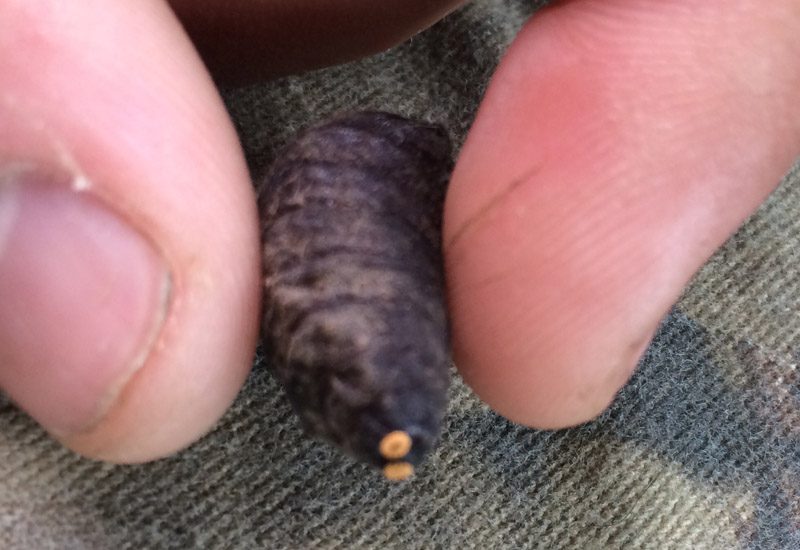
The eggs hatch into larvae, which then burrow into the cat’s skin, typically around the face, neck, or head.
Cats may also encounter botfly eggs in grassy areas or while exploring outdoors, the eggs stick to their fur and eventually hatch into larvae that burrow into their skin.
The burrowed location forms a lump, called a warble, where the larva develops before exiting the host and maturing into an adult.
| Host Animal | Infection Source |
|---|---|
| Cats | Preying on rodents, rabbits, or outdoors exposure |
| Rodents | Housing botfly larvae or eggs |
| Rabbits | Same as rodents, hosting larvae or eggs |
Botfly Infestation Effects:
- Lump or warble formation
- Possible infection if untreated
- Irritation and discomfort for the host
Important Prevention Tips:
- Monitor your cat’s outdoor activities
- Treat rodent and rabbit populations around your home
- Regularly inspect your cat for signs of infestation
If you notice a lump or suspect a botfly infestation on your cat, consult a veterinarian immediately.
They can remove the larva and treat any infection, ensuring your cat’s health and well-being.
Symptoms and Identification of Botfly Infestation
Lesions, Swelling, and Warbles
When a cat is infested with bot flies, the skin may exhibit various signs. Lesions on the cat’s skin can be an indication of a bot fly infestation.
Moreover, a noticeable lump or swelling around the lesion site is a common symptom.
This swelling is called a warble, caused by the larvae living just under the skin. These warbles are usually found on the face and neck.

Respiratory and Neurological Symptoms
Apart from skin symptoms, cats may also experience respiratory and neurological issues due to bot fly infestation. Respiratory issues can include:
- Sneezing
- Nasal discharge
- Coughing
- Gagging
Neurological symptoms are more severe, and they include:
- Circling
- Head tilt
- Seizures
- Lethargy
- Lack of appetite
- Excessive grooming
- Paralysis
- Abnormal behavior
In some cases, cat infested with bot flies may even suffer from blindness, cyst formations, or bacterial infections. An allergic reaction or anaphylaxis could also occur, though rare.
| Symptoms | Infested with Bot Flies | Infested with Ticks |
|---|---|---|
| Lesions | Yes | Yes |
| Swelling | Yes | Yes |
| Warble | Yes | No |
| Respiratory | Yes | Some varieties |
| Neurological | Yes | Lyme disease or other tick-borne diseases |
| Anaphylaxis | Rare | Rare |
It is essential to identify these signs for early intervention and treatment. It’s important to differentiate bot fly infestation from similar issues like tick infestations, as the treatment methods differ.
Always seek a veterinarian’s help when addressing your cat’s health concerns.
Diagnosis and Treatment
Veterinarian Consultation
If you suspect your cat has a botfly infestation, immediately consult your veterinarian.
They may perform a physical examination and potentially order a CT scan to identify the location and severity of the infestation.
Surgical Removal
In some cases, surgery is the recommended method for botfly removal in cats. Your veterinarian will administer anesthetic and make an incision in the lesion to extract the botfly larvae.
Surgical removal ensures the entire larvae is removed without causing further harm to your cat.

Source: USGS Bee Inventory and Monitoring Lab, Public domain, via Wikimedia Commons
Pros of Surgical Removal:
- Complete removal of larvae
- Lowest risk of complications
Cons of Surgical Removal:
- Expensive
- Invasive procedure
- Recovery time post-surgery
Extraction
An alternative treatment option is manual extraction. Your veterinarian may use forceps to carefully remove the botfly larvae from the affected area.
They may administer corticosteroids or antiparasitic medications to reduce swelling and prevent infection.
Pros of Extraction:
- Less invasive
- Lower cost compared to surgery
Cons of Extraction:
- Incomplete removal risk
- Potential for complications
| Treatment Method | Pros | Cons |
|---|---|---|
| Veterinarian Consultation | Accurate diagnosis; Professional treatment recommendations; Proper follow-up care | Costly; Time-consuming appointments |
| Surgical Removal | Complete removal of larvae; Lowest risk of complications | Expensive; Invasive procedure; Recovery time post-surgery |
| Extraction | Less invasive; Lower cost compared to surgery | Incomplete removal risk; Potential for complications |
Regardless of the method chosen, prompt treatment is essential for the animal’s overall health and well-being.
A good prognosis and minimal blood loss can be expected when treatment is timely and handled by a professional.
Prevention and Aftercare
Outdoors and Pet Interaction
Preventing bot fly infestation in cats involves reducing their exposure to the outdoors, where they may come across infested rodents or rabbits. Examples of preventive measures include:
- Keeping your cat indoors as much as possible
- Supervising their outdoor activities
- Pest control to keep rodent populations down
Another preventive measure is regular checks of your cat for any signs of myiasis, such as small lumps or wounds on their skin.
In case you own horses, monitor them too, as they can be infested by warble flies, a type of bot fly.

Antibiotics and Recovery
In case your cat is infested with bot flies, seeking prompt treatment from a veterinarian is crucial.
The veterinarian will carefully remove the parasitic larva and clean the wound. This process may involve:
- Sedation for the removal procedure
- Gently squeezing the larva out
- Antiseptic cleaning of the wound
After larva removal, follow-up care is essential to ensure your cat’s recovery. It may involve:
- Administering antibiotics to prevent secondary infections
- Regularly cleaning the wound as advised by the veterinarian
- Ensuring proper nutrition and hydration for your cat’s recovery
| Method | Pros | Cons |
|---|---|---|
| Keeping your cat indoors | Reduces exposure to bot flies and infested animals | May cause boredom or stress in some cats |
| Supervising outdoor activities | Allows you to monitor your cat’s interactions with animals | Time-consuming |
| Pest control | Helps reduce rodent and rabbit populations | May involve the use of toxic substances |
By combining these prevention and recovery steps, you can protect your cat from the potential harm caused by bot flies, particularly in North America, where the problem is widespread.
Conclusion
Bot flies, particularly the Cuterebra fontinella species, pose a potential threat to cats in North America.
While infestations are relatively rare, the consequences can be severe, leading to conditions like cuterebriasis.
Recognizing the symptoms, such as skin lesions and respiratory issues, is crucial for early intervention.
Treatment options range from surgical removal to manual extraction.
Preventive measures, including keeping cats indoors and regular health checks, are essential for safeguarding our feline companions from these parasitic pests.


?

