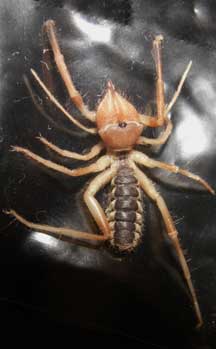
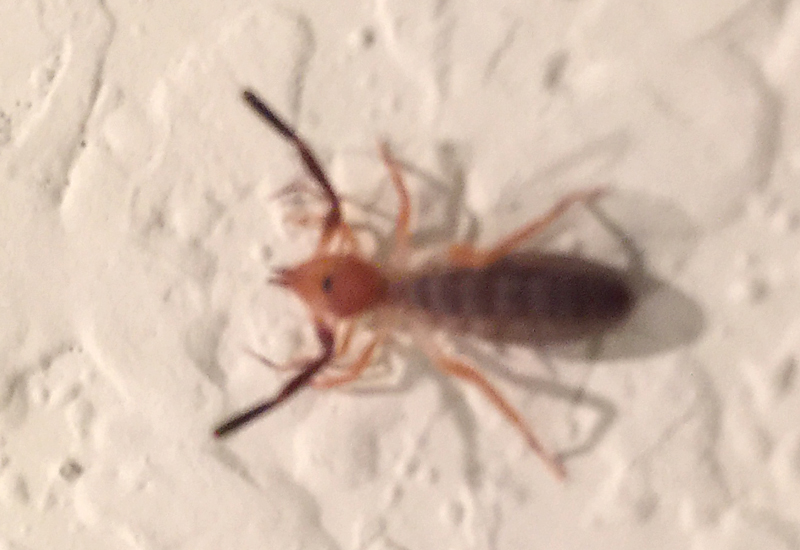
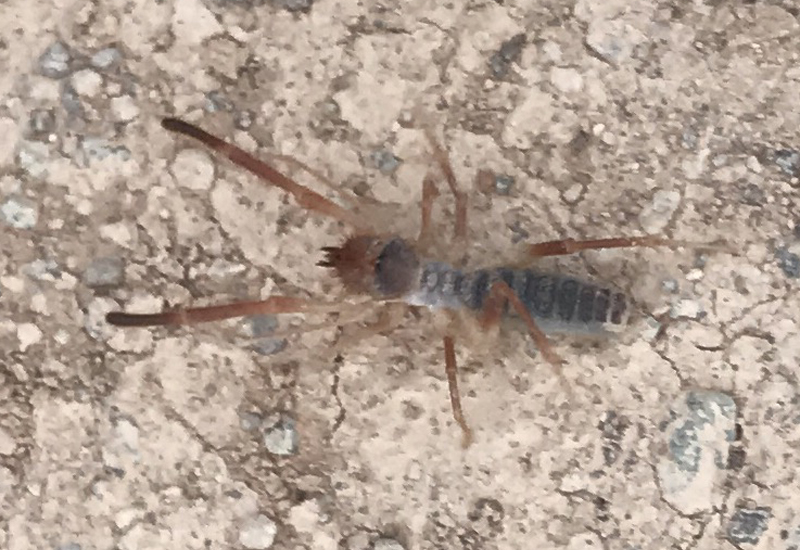
Sun spiders, also known as camel spiders or wind scorpions, are fascinating creatures that have grabbed the attention of many people. These arachnids can be found in various parts of the world, from deserts to grasslands. In this article, we will uncover everything you need to know about these intriguing yet misunderstood animals.
Despite their alarming appearance, sun spiders are not as dangerous as you may think. While they are fast and possess powerful jaws, they are not venomous and do not pose a significant threat to humans. However, their bites can still be painful and may require medical attention.
As you delve deeper into the world of sun spiders, you will discover their unique features, such as their nocturnal habits and their ability to regulate body temperature. Stay tuned as we explore more about these captivating creatures and help you better understand their role in the ecosystem.
Sun Spider Basics
Scientific Classification
Sun spiders, also known as solifugae, belong to the class Arachnida in the phylum Arthropoda. Although they are commonly referred to as spiders, sun spiders are not true spiders. They are a unique group of arachnids that share some similarities with spiders and scorpions. The scientific name for sun spiders is Solifugae.
Sun spiders have several distinct features that set them apart from other arachnids:
- They have large, powerful jaws (chelicerae) that they use for catching and crushing prey.
- They have eight legs and two additional leg-like appendages called pedipalps that help them move and sense their environment.
- Unlike true spiders, they do not possess venom glands or silk-producing organs (spinnerets).
The habitat of sun spiders ranges across deserts, grasslands, and other arid regions around the world. They are primarily nocturnal creatures, preferring to hide from the sun during the day and hunt at night. Sun spiders are carnivorous, feeding on a variety of smaller insects and other arthropods.
If you ever encounter a sun spider, remember that they are more likely to be afraid of you than you should be of them. They might look intimidating with their large jaws, but they rarely pose a threat to humans.
Physical Characteristics
Size and Color
Sun spiders, known for their distinctive appearance, come in varying sizes. They typically range from 0.4 inches (1 cm) to 2.7 inches (7 cm) in body length. Size varies depending on the species. As for their color, these creatures can be found in shades of brown and beige, often exhibiting a golden color. Their hue helps them blend seamlessly with their natural environment.
Unique Body Parts
Sun spiders possess several fascinating body parts that set them apart from other arachnids:
- Jaws: Their powerful jaws or pedipalps are equipped with large pincer-like appendages. These jaws allow the Sun spider to grasp and crush its prey with ease.
- Segmented body: The Sun spider’s body is divided into two main sections – the cephalothorax and the opisthosoma (abdomen), creating a visibly segmented appearance.
- Malleoli: These organs on the Sun spider’s abdomen are unique to their species. They serve as sensory structures that help detect vibrations in their surroundings.
Habitat and Distribution
Known Habitats
Sun spiders, also known as solifugids or wind scorpions, are found in a variety of habitats around the world. These creatures are particularly common in hot, dry regions, such as:
- Deserts
- Semi-arid environments
- Dry forests
This preference for dry climates allows them to thrive in places like Arizona, Texas, Africa, and India.
Geographical Spread
Sun spiders have a wide geographic distribution, spanning multiple continents. Here are some examples of where you can find them:
- Arizona and Texas: Sun spiders are known to inhabit the arid regions of these two US states.
- Africa: Various species of sun spiders are found throughout the African continent, especially in its deserts and semi-arid regions.
- India: Sun spiders are commonly found in India due to its diverse habitats and dry climates.
To sum up, sun spiders have a vast range and are found in a wide array of habitats within hot and dry regions globally.
Behavior and Lifestyle
Diet and Predators
Sun spiders are voracious predators that are known to consume various prey. Some of the common prey they hunt include insects, lizards, and even other smaller arachnids. Being nocturnal creatures, these spiders usually hunt at night. Here are some examples:
- Insects: ants, beetles, and moths
- Lizards: small geckos and skinks
- Arachnids: smaller spiders and scorpions
Although sun spiders are skillful hunters, they also have predators of their own. Some animals that prey on them include birds, larger lizards, and even some mammals.
Reproduction and Life Cycle
Sun spiders have a fascinating life cycle. The females lay eggs in burrows to protect them from predators. Once the eggs hatch, the spiderlings go through multiple growth stages before becoming adults.
Some key points about sun spider reproduction are:
- Mating typically occurs at night.
- Females can lay several hundred eggs.
- Spiderlings molt and grow in size over time.
In general, sun spiders are fascinating creatures with nocturnal behavior, a voracious appetite, and a unique life cycle. Remember to observe them with caution and respect their space in the natural world.
Relation with Humans
Sun Spiders as Pest
Sun spiders, belonging to the order Solifugae, may occasionally find their way into your home. Though these creatures may appear intimidating, they are actually harmless to humans. Their bites are not venomous, and they primarily feed on insects and other small creatures. However, their presence can still be considered a nuisance.
One way to keep sun spiders away from your house is to maintain a clean environment. Clear away debris, and practice good cleanliness habits. Some additional methods for controlling sun spider populations include:
- Caulking: Seal any gaps and cracks in your home’s foundation and walls.
- Pesticides: Apply chemical treatments around your property, targeting potential entry points.
It’s essential to approach sun spider control responsibly, as excessive use of pesticides can harm other beneficial insects and the environment.
As Exotic Pets
Despite their reputation as pests, some individuals choose to keep sun spiders as exotic pets. If you’re considering the idea, there are a few factors to weigh:
Pros:
- They’re low-maintenance, requiring only a small enclosure with a controlled environment.
- As insectivores, sun spiders consume pests such as insects and other arthropods.
Cons:
- They might be difficult to find since they are not as popular as other pet species.
- Their bite, though not venomous, can still be painful and cause discomfort.
In conclusion, the relationship between humans and sun spiders can be viewed through two lenses – as pests and as exotic pets. Understanding how to manage their presence in your home, and the considerations for keeping them as pets, can provide a more harmonious coexistence.
Comparisons and Differences
Comparison with True Spiders
Sun spiders, also known as camel spiders or solpugids, belong to a different order than true spiders. While true spiders belong to the order Araneae, sun spiders are part of the Solifugae order. Here are some notable differences between the two:
- Webs: True spiders are known for their ability to spin webs, whereas sun spiders do not create webs.
- Fangs: Sun spiders have large, powerful jaws called chelicerae, while true spiders have smaller fangs called chelicerae as well.
A few examples of true spider species include:
- Black widow spider
- Orb-weaver spider
- Jumping spider
Comparison with Scorpions
Although they may appear similar, there are key differences between sun scorpions (another name for sun spiders) and true scorpions:
- Venom: Scorpions possess venomous stingers on their tails, while sun spiders do not have venom glands.
- Body structure: Scorpions have a well-defined body divided into two main parts: cephalothorax and abdomen, whereas sun spiders have a fused head and thorax known as cephalothorax.
Here’s a comparison table highlighting some differences between sun spiders, true spiders, and scorpions:
| Feature | Sun Spider | True Spider | Scorpion |
|---|---|---|---|
| Webs | No | Yes | No |
| Venom | No | Varies by species | Yes |
| Body Structure | Cephalothorax | Cephalothorax + Abdomen | Cephalothorax + Abdomen |
| Order | Solifugae | Araneae | Scorpiones |
In conclusion, although sun spiders might appear similar to true spiders and scorpions, they are a unique group of arachnids with distinct features and characteristics. As you learn more about these fascinating creatures, it’s essential to understand their differences to appreciate their diversity and ecological roles.
Cultural References
Sun Spider in Comics
The Sun Spider character finds its roots in the world of Marvel Comics. One such instance is in the critically acclaimed movie Spider-Man: Into the Spider-Verse. This film introduces a variety of Spider-folk from different universes, including the fan-favorite character Miles Morales.
In addition to Miles Morales, a lesser-known character named Charlotte Webber is another example of someone using spider abilities in a unique way. Charlotte has Ehlers-Danlos Syndrome, a condition affecting her joints and skin, which requires her to rely on mobility aids. However, as the superhero Sun Spider, she harnesses her powers to become a beacon of hope for people with disabilities.
Sun Spider in Cinema
Sun Spider is not quite as prominent in the world of cinema as it is in the comics. Nonetheless, there are elements of the character present in various productions. For instance, the movie Spider-Man: Into the Spider-Verse portrays various Spidersonas, unique superheroes inspired by the original Spider-Man.
One particular character that stands out is Silk, a superhero with abilities similar to Spider-Man but with the added aspect of having web-shooters incorporated into her costume. This small detail may remind you of the Sun Spider, showing the influence of the comics on the film.
As for the iconic Sun Spider wheelchair mech, it has yet to see its silver screen debut. Still, the concept of a superhero with a unique mobility aid is both inspiring and groundbreaking, making it ripe for future cinematic exploration.
To sum up, here are some key aspects of Sun Spider in cultural references:
- Connected to Marvel Comics and the movie Spider-Man: Into the Spider-Verse
- Examples: Miles Morales and Charlotte Webber (Sun Spider)
- Unique traits: Sun Spider’s wheelchair mech and Latin-inspired Spidersona
- Comparisons: Spider-Man and Silk with their web-shooters
Keep these points in mind when exploring the exciting world of the Sun Spider and its numerous appearances throughout comics and cinema.