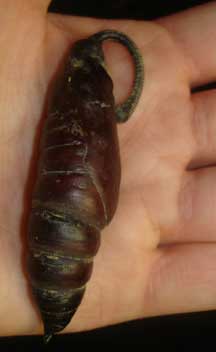
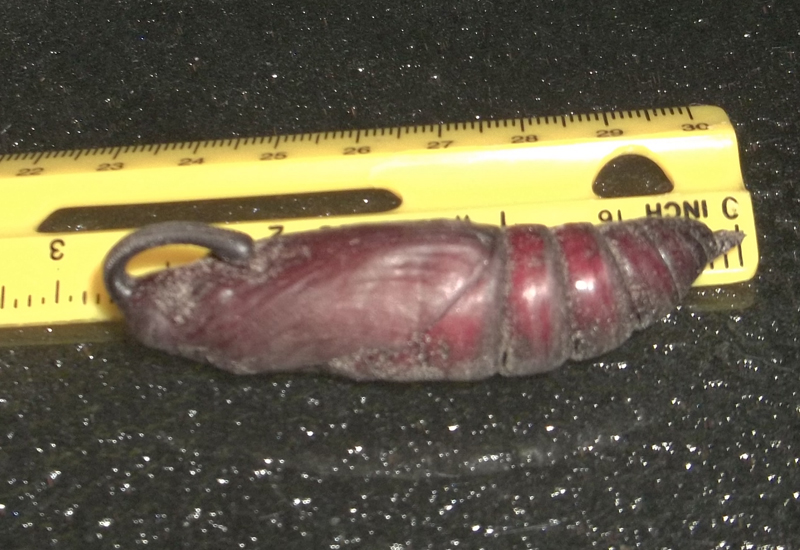
Sphinx moth pupae are an intriguing stage in the life cycle of these fascinating creatures. As you learn more about them, you’ll discover the unique characteristics that set them apart from other types of moth pupae.
During their transformation from caterpillar to full-grown moth, sphinx moth pupae exhibit fascinating behaviors worth observing. In this article, you’ll delve into the world of these remarkable insects and uncover the secrets behind their development. Understanding the life stages of the sphinx moth can help you appreciate the beauty and complexity of their entire life cycle.
For your backyard garden or simply as an enthusiast, having a deeper appreciation for these moths can enrich your understanding of how nature works. So, let’s take a closer look at the sphinx moth pupa and what you need to know about them.
Understanding Sphinx Moth Pupa
Sphinx moth pupa is a fascinating stage in the life cycle of these intriguing insects. To better appreciate the pupal stage, let’s dive into some key details.
The development of the sphinx moth involves complete metamorphosis, transitioning through egg, larva, pupa, and adult stages. During the pupal stage, the transformation happens inside a protective cocoon. This is when the larva, also known as a hornworm, sheds its exoskeleton and becomes a pupa.
Depending on the species, the pupa may be found in a simple cocoon or a more elaborate structure. The environment plays a crucial role in the successful development of the pupa. They may be buried in soil or found among leaf litter, depending on the species’ habitat preferences.
Throughout the pupal stage, the moth is undergoing a remarkable transformation. The larval body breaks down and reorganizes into the adult moth, gaining wings and other features essential for its adult life.
You may be curious about the process of pupating. It’s a delicate, intricate process that the larva initiates when it has reached its last instar, or larval stage. Sensing the right time and environment, the larva will spin its protective cocoon, enter it and begin the metamorphosis.
Keep in mind that the duration of the pupal stage varies among species and environmental factors such as temperature and humidity. Some sphinx moth pupae may even overwinter, emerging as adults only when conditions are favorable.
In conclusion, the sphinx moth pupa is a crucial stage in the life cycle of these unique insects. During this time, the moth is undergoing incredible transformations to become the fascinating adult that it eventually emerges as. To gain a deeper appreciation for these marvelous creatures, understanding the pupal stage is essential.
Sphinx Moths: Types and Identification
Sphinx moths, also known as hawk moths or hummingbird moths, are a fascinating group of insects with various species and unique characteristics. Identifying these moths can seem challenging, but with some knowledge of their features, you can become more familiar with these beautiful creatures.
The first thing to notice about sphinx moths is their size and body shape. They are usually large, heavy-bodied insects with a pointed, long abdomen. Their wingspan can range from 2½ to 3½ inches, making them easily recognizable. The wings themselves are often long and triangular with unique markings that can help identify different species.
For instance, the White-lined Sphinx Moth (Hyles lineata) features six white stripes on its furry brown body, paired with an olive brown forewing that sports a broad tan band crossed by a series of dark lines. On the other hand, some less common species like the Tomato Hornworm and Willow Hornworm display color patterns of pink, brown, white, and black.
Sphinx moth adults have several features that can assist in identification:
- Color: Observe the moth’s body and wing colors, which may vary between species.
- Markings: Unique patterns or lines on the wings or body can help identify individual species.
- Wings: Pay attention to the shape, size, and margins of the wings – some may have irregular or angled edges.
- Head: Notice the placement and shape of the head, which can differentiate certain species.
- Body: Examine the size, shape, and any distinctive features on the moth’s body.
When trying to identify a sphinx moth, it’s helpful to compare its characteristics to those of known species. You can use resources such as field guides, websites, or even ask experts for assistance. Remember, the world of sphinx moths is vast and intriguing, so enjoy the process of discovering and learning more about these fascinating insects.
Life Cycle of Sphinx Moths
From Egg to Caterpillar
You might be curious about the life cycle of sphinx moths. It all starts with the eggs, which are laid by the female moths on host plants that caterpillars prefer to eat. These eggs will then hatch into caterpillars, which are also known as sphinx moth caterpillars or hornworms. They have an incredible appetite and will eat voraciously to grow and develop.
Sphinx Moth Caterpillar to Pupa
As the caterpillars grow, they will reach a stage where they will pupate and form a protective casing called the pupa. The sphinx moth pupa is typically found in the soil near the host plant. They will remain in the pupal stage as they transform from a caterpillar to an adult moth.
From Pupa to Adult
Once fully transformed, the adult sphinx moth will break free from the pupal casing and emerge as a fully grown moth. Sphinx moths, being nocturnal fliers and night-flyers, are most active at dusk. They are known for their unique ability to hover near flowers and feed on nectar using their long proboscis.
Sphinx Moth Mating and Reproduction
When it comes to mating, adult moths use pheromones to attract a mate. Female sphinx moths release these chemicals into the air to signal males. After mating, females will lay their eggs on suitable host plants where the next generation of caterpillars will grow and develop.
Hibernation and Overwintering
Some species of sphinx moths overwinter, or hibernate, as pupae in the ground. This ensures their survival and emergence as adults the following spring or summer, depending on the specific species. Overwintering is a crucial stage of the life cycle, as it allows the population to persist through the colder months.
Sphinx Moth Pests
Certain species of sphinx moths, such as the tomato hornworm, are known pests of tomato and potato plants in gardens across the United States, North America, and Southern Canada. While these caterpillars can cause damage to plants, it is important to keep in mind the role they play in their environment.
Sphinx Moths and Their Environment
Sphinx moths are essential pollinators in their ecosystems, particularly for tube-shaped flowers. Their behavior of hovering while feeding shares similarities with hummingbirds, earning them the nickname hummingbird moth. As part of a healthy ecosystem, sphinx moths contribute to the survival of various plants and animals.
Unique Attributes of Sphinx Moths
- Sphinx moths are known for their incredible hovering flight capabilities.
- They possess a long proboscis, allowing them to feed on nectar from deep within flowers.
- Most sphinx moths are nocturnal, adding to their unique identity as night-flyers.
Protection and Predation
Sphinx moths have evolved to have unique characteristics to protect against predators. For example, they may have dark brown coloration with eyespots on their abdomen. These markings help them blend into their surroundings and deter predators by mimicking larger animals, ensuring their safety during their active hours at dusk.