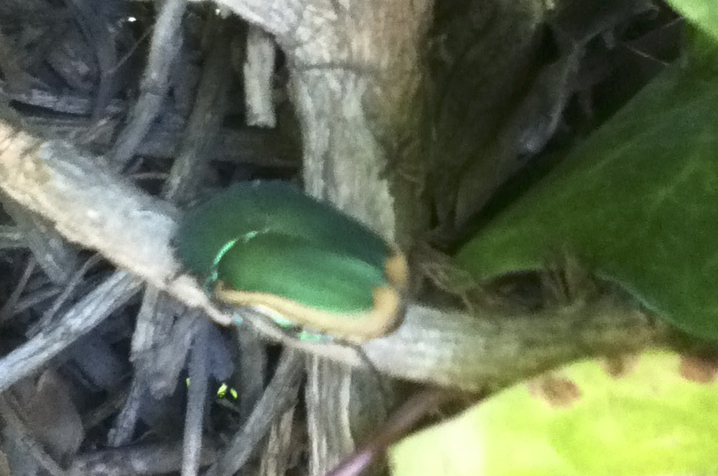
The Figeater Beetle, scientifically known as Cotinis mutabilis, is a fascinating insect with a fondness for figs. This beetle emerges from the ground and is commonly found during warmer months in search of ripe fruit. The diet of the fig eater includes figs, grapes, tomatoes, peaches, and plums which means that they are attracted to various over-ripe fruits.
Figeater Beetles are often seen flying around gardens in search of their next meal. It is important for gardeners and fruit enthusiasts to be aware of the presence of these beetles, as they can potentially damage fruit crops. Its large, green, and shiny appearance makes it easily identifiable among other insects, helping in its quick spotting by those vigilant of their gardens.
In this article, we will explore everything you need to know about the Figeater Beetle, from its life cycle to its behavior and impact on agriculture. You’ll also find information on how to manage these beetles in your garden to protect your fruit trees and enjoy a fruitful harvest. Stay tuned for a thorough understanding of this unique creature!
Figeater Beetle Overview
Classification and Appearance
The Figeater Beetle, scientifically known as Cotinis mutabilis, is a member of the family Scarabaeidae and subfamily Cetoniinae. Also known as the Green Fig Beetle or Green Fruit Beetle, this particular species of Scarab Beetle is known for its iridescent green color which can sometimes have hints of brown in its wing covers.
- Iridescent green color
- Part of the Scarabaeidae family
- Belongs to the Cetoniinae subfamily
Range and Habitat
Figeater Beetles are primarily found in the southwestern United States, with some overlap in the range of other beetles like the June Beetle, which is more common in the eastern US. These beetles typically emerge from the ground and are drawn to over-ripe fruit such as figs, grapes, tomatoes, peaches, and plums.
Range
- Southwestern United States
- Overlaps with June Beetle range
Habitat
- Attracted to over-ripe fruits
- Examples of fruits: figs, grapes, tomatoes, peaches, plums
Comparison Table:
| Feature | Figeater Beetle | June Beetle |
|---|---|---|
| Range | Southwestern US | Eastern US |
| Habitat | Over-ripe fruits | Decaying vegetation |
| Color | Iridescent green | Brown or black |
| Family and Subfamily | Scarabaeidae; Cetoniinae | Scarabaeidae; Melolonthinae |
Life Cycle and Behavior
From Eggs to Larvae
Figeater beetles begin their life cycle as eggs, often laid near a food source. The eggs hatch into larvae called crawly backs due to their distinctive movement. Some key characteristics of Figeater beetle larvae include:
- Creamy white color
- Composed of 4 body stages (instars)
These larvae feed on decaying plant material, helping with organic matter breakdown.
Pupation
At the end of the larval stage, Figeater beetles prepare for pupation. During this time, they create a protective cell within the soil. They usually pupate for 7 to 10 days, before emerging as adults.
Adulthood
Adult Figeater beetles typically exhibit a metallic green or blue color and large legs. At this stage, they change their feeding habits to focus on ripe fruits like figs. Pros and cons of adult Figeater beetles are listed below:
Pros:
- Help with pollination
- Aid in organic matter decomposition
Cons:
- Can damage ripe fruits
- Might be considered a nuisance in gardens
As the Figeater beetle life cycle continues, they contribute to the ecosystem in various ways, both beneficial and destructive.
Diet and Interaction with Plants
Common Food Sources
Figeater beetles, also known as green June beetles, are attracted to a variety of sweet food sources. Some of the favored food sources include:
- Figs: These beetles are particularly drawn to ripe figs, which provide them with essential nutrients.
- Fruit trees: Figeater beetles may feed on several fruit trees, consuming fruits like peaches, plums, and grapes.
- Berries: These insects are also known to consume various berries, which serve as a staple in their diet.
- Nectar: Flower chafers like the figeater beetle may also feed on the nectar from desert trees.
Figeater beetles are also known to elope, searching for food like decomposing organic matter found in compost and mulch.
Impact on Gardens and Orchards
Gardens
Figeater beetles can pose a threat to gardens, consuming petals and flowers from various plants. When the insects feed on tomatoes, for instance, they may leave significant damage.
Pros of figeater beetles in gardens:
- Help in breaking down decomposing organic matter
Cons of figeater beetles in gardens:
- Feed on flower petals, potentially harming plants
- May damage crops like tomatoes
Orchards
Figeater beetles can have a significant impact on fruit trees in orchards due to their affinity for sweet food. They may consume sap from various fruit trees, as well as the fruits themselves. This behavior can lead to reduced yields and damage to fruit.
Pros of figeater beetles in orchards:
- May contribute to the decomposition of organic matter in the soil
Cons of figeater beetles in orchards:
- Potential damage to fruit trees, causing reduced yields
- Consumption of sap may weaken the tree
These insects can be controlled using environmentally-friendly pesticides, although some may resort to manual removal.
Comparison table:
| Aspect | Gardens | Orchards |
|---|---|---|
| Impact | Damage to flower petals and crops like tomatoes | Damage to fruit trees and reduced yields |
| Control | Environmentally-friendly pesticides or manual removal | Environmentally-friendly pesticides or manual removal |
Identification and Similar Species
Distinctive Features
The Figeater Beetle, also known as the green fruit beetle, is a member of the scarab family. Here are its distinctive features:
- Adult beetles are quite large, measuring between 3/4 to 1-1/3 inches long.
- Their coloration is mainly metallic green with brown or tan along the outside margins of their wing covers (elytra).
- They have six legs and a semi-glossy green appearance.
Figeater Beetle vs. Japanese Beetle
The Figeater Beetle (Cotinis nitida) is often mistaken for the Japanese Beetle (Popillia japonica). Here are some comparisons to help differentiate between the two:
- Size: Figeater beetles are larger than Japanese beetles.
- Color: While both have metallic green coloration, the Japanese beetle has copper-brown wing covers, compared to the brown or tan margins on Figeater beetle’s elytra.
| Feature | Figeater Beetle | Japanese Beetle |
|---|---|---|
| Size | 3/4 to 1-1/3 inches | Smaller |
| Color | Metallic green with brown/tan margins | Metallic green with copper-brown wing covers |
Figeater Beetle vs. Green June Beetle
Another species that can be confused with Figeater Beetle is the Green June Beetle (Cotinis mutabilis). However, there are some differences between them:
- Geographic range: The Figeater beetle is more common in the southeastern United States, while the Green June beetle is found in the western parts of the country.
- Physical appearance: The Green June beetle has a more glossy appearance, while the Figeater beetle is semi-glossy.
- Coloration: Although both have metallic green coloration, the Green June beetle lacks the brown or tan margins on its elytra.
In summary, the Figeater Beetle is a metallic green scarab beetle with distinctive brown or tan margins on its wing covers. It’s essential to differentiate them from similar species like the Japanese Beetle and Green June Beetle, which have differences in size, color, and geographic distribution.
Preventing and Managing Infestations
Natural Predators and Control Methods
Figeater beetles are known for their damage to home gardens and overripe fruits, as well as their loud buzzing noise when flying. They tend to feed on nectar, fruit, and organic matter in the soil. Birds are known to be natural predators of these beetles. One effective way to control their population in your garden is to encourage bird presence.
Chickens are a perfect example of a natural predator that can help manage figeater beetles populations. They can feed on both the adult beetles and the beetle larvae in the soil. When cultivating your garden:
- Add a bird feeder or birdbath
- Provide habitats or shelters for birds
Another effective method to control figeater beetles is by exposure of larvae to nematodes, which are beneficial microorganisms that prey upon beetle larvae present in the soil.
Monitoring and Chemical Control
In managing figeater beetle infestations, monitoring is crucial, especially during the ripe fruit season. Inspect your garden regularly to spot any overripe fruits, which are highly attractive to these beetles:
- Remove and dispose of any overripe fruits immediately
- Employ tight-fitting screens around fruits to prevent beetles from reaching them
Chemical control should be a last resort to manage any persistent infestations. Some chemical control products can have adverse effects on the environment and non-target organisms. It is essential to consult a professional before using any chemical control methods.
Maintaining a healthy, balanced garden ecosystem and practicing good garden hygiene such as proper mulching and composting will also help prevent figeater beetles from becoming a persistent issue during the winter season when they are less active.
[sc name=”bugquiz” ][/sc]Figeater Beetles and Human Interaction
Harmlessness to Humans
- Figeater beetles are harmless to humans
- They do not bite, sting, or carry diseases
Figeater beetles are a common sight in gardens during the summer months, particularly in Mexico and California. Their buzzing sound can sometimes be mistaken for a bee, but rest assured, these beetles are harmless to humans. They neither bite nor sting and do not carry any diseases.
Impact on Fruit Crops
- Can cause damage to ripening fruits
- More prevalent in fig crops and orchards
Figeater beetles, also known as green fruit beetles, can have a negative impact on fruit crops. The adult beetles feed on ripe and overripe fruits, especially figs, leading to damage and reduced yields in orchards. They are highly attracted to the odors of manure and fermenting fruits, which can be found in agricultural areas. It’s worth noting that their life cycle is heavily influenced by irrigation practices, making it crucial to manage water resources properly during the growing season.
Comparison between Figeater Beetles and June Beetles
| Feature | Figeater Beetle | June Beetle |
|---|---|---|
| Size | Slightly larger | Slightly smaller |
| Habitat | Southwestern US, Mexico | Eastern US |
| Impact on Fruit Crops | Ripening fruits | Larvae feed on plant roots |
| Identification | Green color, scarab-like | Similar appearance |
| Attraction to Manure | Yes | No |
In conclusion, figeater beetles are harmless to humans but can cause damage to fruit crops during the summer months. Proper identification, management of irrigation practices, and an understanding of their life cycle can help minimize their impact on gardens and orchards.