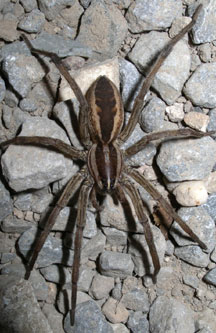
Wolf spiders and black widow spiders are two well-known species that have captured the attention of many due to their distinctive appearances and behaviors. While black widow spiders are known for their highly venomous bites, wolf spiders, though not as toxic, are often mistaken for them due to their similar size and coloring.
The diet of a wolf spider consists mainly of insects and other small arthropods, but their opportunistic nature raises the question of whether they would prey on other spiders, like the infamous black widow. It’s essential to understand their hunting techniques, habitat, and overall behavior to determine if they would indeed consume black widow spiders as part of their diet.
Wolf spiders are skilled hunters, characterized by their keen eyesight and speed, while black widow spiders are more known for their web-building to ensnare prey. Additionally, both species tend to inhabit different environments, with wolf spiders often found in grassy areas and black widows preferring dark, undisturbed locations.
Wolf Spiders and Black Widows
Physical Characteristics of Wolf Spiders
Wolf spiders are generally 1/2 inch to 2 inches long, with varying shades of brown or gray. They have a distinctive pattern on their bodies and are hairy. Their excellent eyesight enables them to hunt efficiently for prey. Some common features of wolf spiders include:
- Size: 1/2 inch to 2 inches long
- Color: Brown or gray
- Hair: Hairy body
- Eyesight: Good, aids in hunting
Physical Characteristics of Black Widows
Black widows, particularly the female southern black widow, are known for their shiny, jet-black color and their distinct red hourglass marking on their abdomen. Males are smaller than females and have a white underbody. Black widows usually grow 8 to 13 millimeters in body length and measure 25 to 35 millimeters with legs extended. Key characteristics for these spiders are:
- Size: 8 to 13 millimeters in body length
- Color: Shiny jet black for females, black with white underbody for males
- Markings: Red hourglass marking on abdomen (females only)
| Wolf Spiders | Black Widows |
|---|---|
| 1/2 to 2 inches long. | 8-13mm body length. |
| Brown or gray color. | Shiny jet black. |
| Hairy body. | Smooth body. |
| Good eyesight. | Red hourglass marking on females. |
Wolf spiders mainly reside in grasslands and gardens, while black widows prefer hiding in concealed, undisturbed areas. Both species are found in North America, with wolf spiders being more widespread. The genera of these spiders differ; wolf spiders belong to the Lycosidae family, whereas black widows are in the Theridiidae family.
Feeding and Hunting
Predators vs. Prey
Wolf spiders (family Lycosidae) are opportunistic predators known to feed on various insects and small invertebrates, including ants, beetles, worms, and even other spiders1. Although black widows are venomous spiders, they may still fall prey to wolf spiders due to their effective hunting techniques2.
Wolf spiders:
- Opportunistic hunters
- Prey on insects and invertebrates
- May feed on venomous spiders like black widows
Black widows:
- Venomous spiders
- Dangerous to other insects and small animals
- Risk of being preyed upon by wolf spiders
Hunting Techniques
Wolf spiders have remarkable hunting skills; they rely on ambush techniques and patience while seeking prey3. These spiders do not use webs to catch their prey but rely on pouncing and actively hunting their targets4.
Some hunting techniques of wolf spiders include:
- Ambushing prey
- Pouncing on targets
- Actively hunting without using webs
In comparison to other spider species that construct silk webs to catch their prey, such as black widows, wolf spiders are active hunters that rely on their agility and hunting prowess.
| Spider Species | Hunting Techniques | Prey |
|---|---|---|
| Wolf Spiders | Ambushing, pouncing, active hunting | Insects, arachnids |
| Black Widows | Webs, venomous bites | Insects, arachnids |
Do Wolf Spiders Eat Black Widows
Dynamics Between Wolf Spiders and Black Widows
Wolf spiders and black widows are different types of spiders, each with its unique characteristics and habits. Although there are instances where spiders can be cannibalistic, the likelihood of a wolf spider preying on black widow spiders is relatively low. Both spiders have their methods of avoiding conflict and competing for resources; let’s explore these dynamics further.
- Wolf Spiders:
- Hairy, with a body size from 1/2 inch to 2 inches long.
- Brown or gray coloring.
- Known for their active hunting and excellent vision.
- Do not build webs to capture prey.
- Black Widows:
- Smaller, with a body length around 8 to 13 millimeters.
- Shiny black coating with a distinctive red hourglass on their underside.
- Build strong, irregular webs to catch prey.
- Known for sexual cannibalism, where females consume the male after mating.
Effect on Other Spider Species
While it’s uncommon for wolf spiders to consume black widows, they can still affect each other’s populations. Wolf spiders, for example, may indirectly benefit from black widows’ predatory habits on other spider species, as they might reduce competition for resources. Conversely, black widows may gain an advantage by hiding in areas with less risk of encountering wolf spiders.
Both wolf spiders and black widows have natural predators that can help control their populations. These include:
- Wasps
- Birds
- Lizards
In terms of other species like brown recluses, the presence of wolf spiders and black widows can be a source of competition, which could impact the brown recluse spiders’ overall population. Brown recluses are also known to hide in secluded areas, similar to black widows, reducing the likelihood of encountering wolf spiders in the wild.
| Features | Wolf Spiders | Black Widows |
|---|---|---|
| Size | 1/2 inch to 2 inches | 8 to 13 mm |
| Color | Brown or gray | Shiny black |
| Web building | No | Yes |
| Hunting method | Active, ground-based predator | Web-based |
| Potential risks | Competition for resources | Sexual cannibalism |
In summary, although wolf spiders and black widows occupy different ecological niches, their presence can impact other spider species and the larger ecosystem.
Interactions with other Animals and Humans
Comparing Venomous Bites
Wolf spiders and black widow spiders both have venom, but their venom potency and the severity of their bites are different. For example:
- Wolf spider bites:
- Initial pain and redness
- Some localized swelling
- Symptoms generally subside within 24 hours1
- Black widow spider bites:
- More severe symptoms
- Muscle cramps, nausea, and increased heart rate2
- Medical attention may be required
These spiders interact with different organisms within the ecosystem. For instance:
- Prey: Both spiders feed on insects, such as ants and baby brown recluses1.
- Predators: Mammals, frogs, and other spiders may prey on these spiders.
Impact on Ecosystem
Wolf spiders and black widow spiders play slightly different roles in their respective ecosystems. Some key differences include:
| Feature | Wolf Spider | Black Widow Spider |
|---|---|---|
| Size | Smaller | Larger3 |
| Web | No web | Web (irregular shape) |
| Habitat | Ground-dwelling | Hidden areas4 |
- Wolf spiders:
- Valuable predators, controlling insect populations
- Act as prey for larger animals, like frogs and birds
- Black widow spiders:
- Also important for insect control
- Fewer natural predators due to their venomous bites
In both cases, these spiders help maintain a balance within the ecosystem.
Behavior and Habits
Habits of Wolf Spiders
Wolf spiders are solitary hunters, known for their quick movement and excellent eyesight. They mainly hunt insects but occasionally feed on other spiders, including black widows. They don’t build webs and prefer to use their speed when capturing prey. Wolf spiders can be found in various habitats such as grasslands, forests, and even residential areas. While hiding, they use burrows or leaf litter as protective spaces. Natural predators of wolf spiders include wasps, birds, and lizards.
- Prey: Insects and other spiders
- Habitat: Grasslands, forests, residential areas
- Hiding: Burrows or leaf litter
- Predators: Wasps, birds, lizards
Habits of Black Widows
Black widow spiders are known for their distinctive markings and strong, messy webs. Unlike wolf spiders, black widows are web builders. They mainly consume insects but occasionally eat other spiders. Their webs serve as both a home and a trap for prey, typically found in dark, secluded areas of their habitats. Black widows are generally shy, avoiding confrontation and tending to retreat. As with most spiders, black widows face threats from wasps, birds, and lizards.
- Prey: Insects and other spiders
- Webs: Strong, messy, used for trapping prey
- Habitat: Dark, secluded areas
- Predators: Wasps, birds, lizards
| Feature | Wolf Spiders | Black Widows |
|---|---|---|
| Prey | Insects, spiders | Insects, spiders |
| Webs | No | Yes |
| Habitat | Various | Dark, secluded |
| Hiding | Burrows, litter | In webs |
| Predators | Wasps, birds, lizards | Wasps, birds, lizards |
Adaptations and Characteristics
Wolf Spiders Adaptations for Catching Prey
Wolf Spiders are accomplished hunters, known for their excellent eyesight and incredible agility. Their primary prey includes:
- Ground-dwelling insects
- Worms
- Beetles
A few key adaptations and characteristics for catching prey are:
- Eyesight: Possessing eight eyes, including large forward-facing eyes, allows them to detect small movements and be precise in their attacks.
- Sensitivity to vibrations: When hunting on the ground, they can detect vibrations created by their prey, which helps locate food in their habitat, such as meadows and forests in North America.
- Strong legs: Their powerful and agile legs allow them to catch prey quickly, making them efficient predators.
Black Widows Adaptations for Catching Prey
Black Widow spiders, infamous for their venom, exhibit some unique adaptations for catching their prey, which mainly consists of insects and small mammals. Key adaptations and characteristics include:
- Web structure: They build irregular webs with funnel-shaped retreats, providing both defense and an efficient way to catch prey.
- Venomous bite: Their venom is potent enough to immobilize prey, allowing them to feed without risk of injury.
- Sensitivity to vibrations: Similar to Wolf Spiders, they use vibrations in their webs to detect when prey is trapped.
Here’s a comparison table highlighting the main differences between these two species:
| Adaptation/Characteristic | Wolf Spider | Black Widow |
|---|---|---|
| Eyesight | Excellent, with eight eyes, including large forward-facing eyes | Not as well-developed |
| Hunting Strategy | Active hunters relying on agility & speed | Use venomous bites and webs for trapping prey |
| Prey Type | Ground-dwelling insects, worms, & beetles | Insects, small mammals |
| Habitat | Meadows, forests in North America | Dark, secluded spaces (e.g. crawl spaces, wood piles) |
Both spiders have adapted to their respective habitats and have developed unique methods of catching prey in their environments. This results in them targeting different types of prey, with Wolf Spiders focusing on ground-dwelling insects while Black Widow spiders are able to catch insects and small mammals with their venomous bites.
Conclusion
In summary, wolf spiders and black widow spiders display different behaviors and characteristics. Wolf spiders are hairy, brown to gray, while black widows are shiny and jet black. Let’s consider their feeding habits and potential interactions.
- Wolf spiders:
- Hunt their prey
- Don’t use webs
- Feed mainly on insects
- Black widow spiders:
- Trap prey using webs
- Bite and inject venom
- Prey on insects, arachnids, and small vertebrates
A comparison of their features can be seen in this table:
| Feature | Wolf Spiders | Black Widow Spiders |
|---|---|---|
| Appearance | Hairy, brown | Shiny, jet black |
| Web Building | None | Yes |
| Hunting | Active | Passive |
Considering the above information, it can be inferred that wolf spiders may prey upon black widows if they come across them. However, they would not actively seek black widows as their primary food. The interaction would likely be incidental rather than a common occurrence.
Footnotes