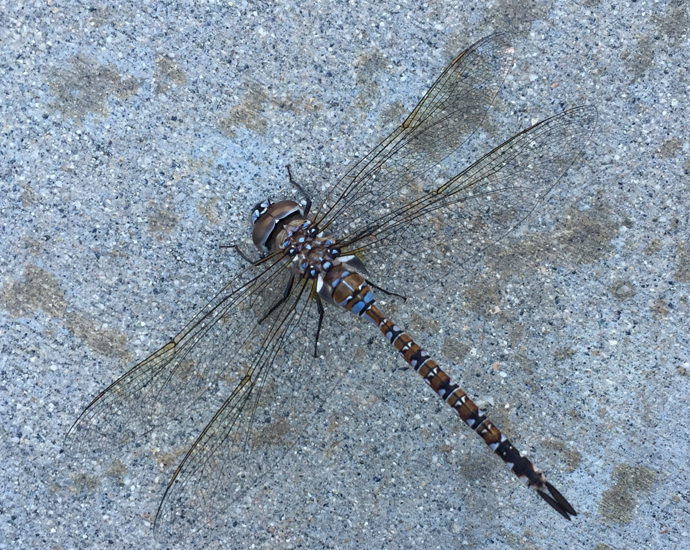
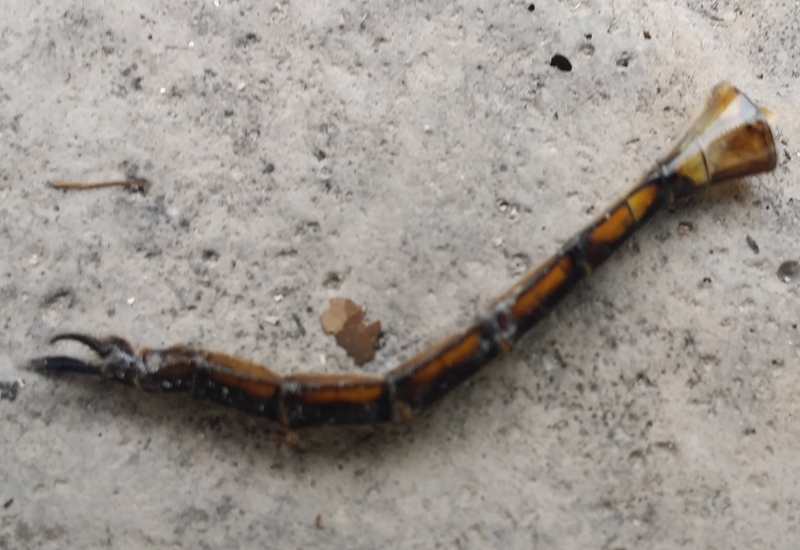
Dragonflies are fascinating insects known for their remarkable agility and speed when flying. With their large, multifaceted eyes and long, slim bodies, these predators play a vital role in controlling the population of smaller insects such as mosquitoes and flies. However, one question that might intrigue people is whether dragonflies can walk or not.
Surprisingly, despite having six legs, dragonflies cannot walk effectively. Their legs are primarily designed for catching prey during flight and perching on surfaces. Since their legs are oriented towards the front of their body, it makes walking cumbersome and inefficient for them.
By focusing their energy on efficient flying, dragonflies have evolved into highly specialized predators. Just like hummingbirds, they can hover, fly sideways, upside down, and even backwards, making them skilled and versatile hunters in their environment.
Dragonflies: An Overview
300 Million Years of Evolution
Dragonflies have a remarkable history, dating back 300 million years. They existed before dinosaurs, and their ancient fossils indicate massive, 3-foot wingspans.
Order Odonata and Species Diversity
Dragonflies belong to the Order Odonata, which also includes their close relatives, damselflies. This order has a great level of species diversity, with over 5,000 known species worldwide.
Anatomy and Vision
A key feature of dragonflies is their compound eyes, which provide them with excellent vision. Their anatomy also includes bristly legs for catching prey and powerful jaws.
Features of Dragonflies:
- Large compound eyes
- Bristly legs
- Powerful jaws
- Agile and fast flyers
Comparison Table: Dragonflies vs. Damselflies
| Feature | Dragonflies | Damselflies |
|---|---|---|
| Eyes | Large, compound eyes | Similar, but usually smaller |
| Legs | Bristly legs for catching prey | Slender legs, less bristly |
| Wings | Two pairs of wings, usually broader | Two pairs of wings, generally narrower and more delicate |
| Flight | Fast and agile fliers | Slower and more fluttery flight |
Dragonflies are fascinating insects, with their ancient history, diverse species, and unique anatomy. Their incredible vision, agility, and adaptability have all contributed to their lasting presence on Earth.
Dragonfly Flight and Movement
Wings and Flight Capabilities
Dragonflies have two sets of wings, the forewings and hindwings, both independently controlled, enabling incredible flying capabilities. Key features include:
- Direct flight muscles: attached to the wings, allowing for precise control
- Indirect flight muscles: responsible for wing flapping
Agility and Speed
Dragonflies are known for their exceptional agility and ability to fly at high speeds. Notable aspects:
- Top speed: up to 37 miles per hour
- Quick recovery: can roll 180 degrees in just 200 milliseconds
Comparing Dragonflies and Hummingbirds:
| Trait | Dragonfly | Hummingbird |
|---|---|---|
| Top Speed | 37 miles per hour | 34 miles per hour |
| Hovering | Yes | Yes |
| Sideways Flight | Yes | No |
| Upside-down Flight | Yes | No |
| Backwards Flight | Yes | Yes |
| 360-degree Spin | Yes | No |
Perching and Hovering
Dragonflies can hover like hummingbirds and perch effortlessly on objects. They exhibit:
- Six legs: used for perching and catching prey
- Unique maneuverability: can fly sideways, upside-down, spin 360 degrees on axis
- Hovering: allows them to “freeze” mid-flight for moments
Can Dragonflies Walk?
Leg Structure and Function
Dragonflies have six legs that are specifically adapted for perching and not for walking. The legs are long, slender, and covered in bristles which help them to catch prey midair. The prothoracic legs, or front pair, play a crucial role in maintaining balance while perched.
- Six legs for perching, not walking
- Bristled legs help catch prey
- Prothoracic legs aid in balance
Constraints in Walking and Locomotion
Due to their leg structure, dragonflies are not efficient walkers on land. They have limited locomotion abilities, mainly using their legs to grab and hold onto surfaces when they need to rest. For example, they might rest on a branch or a leaf in between their hunting sessions.
- Limited locomotion abilities
- Use legs for grabbing surfaces
Adaptations for Hunting and Feeding
Dragonflies are expert hunters, primarily feeding on flying insects such as mosquitoes, flies, and wasps. Their aerial hunting success is attributed to their agile flight capabilities: hovering, flying sideways or upside-down, and flying backward. These hunting adaptations make walking unnecessary for them.
- Expert aerial hunters
- Agile flight capabilities
- No need for walking
Comparison Table: Dragonflies VS Typical Walkers
| Dragonflies | Typical Walkers |
|---|---|
| Six legs for perching | Adapted legs for efficient walking |
| Limited locomotion abilities | Better balance and movement on land |
| Expert aerial hunters | May not be strong fliers |
| Agile flight capabilities | Less agile in aerial hunting |
Dragonfly Life Cycle and Ecology
Life Stages: From Egg to Adult
Dragonflies are insects and their life cycle consists of three stages: egg, nymph (larval stage), and adult.
- Eggs: Laid in or near water, they develop and hatch into nymphs.
- Nymphs: The larval stage lives underwater and undergoes several molting phases as they grow.
- Adults: After the final molting, they leave the water and become flying, adult dragonflies.
During the nymph stage, dragonflies are aquatic ambush predators with gills and use their mandibles to catch prey. They cannot walk but are excellent swimmers.
Aquatic Habitats and Migration
Dragonflies live in a variety of aquatic habitats, such as streams, wetlands, and lakes. Some species, like green darners and globe skimmers, are known for their long-distance migration. These migrations often involve large swarms traveling to specific breeding and feeding grounds.
Role in Ecosystems and Conservation Efforts
Adult dragonflies play crucial ecosystem roles. Their predatory abilities help control insect populations, particularly mosquitoes. They are also prey for other animals, like small fish and birds.
Conserving dragonflies is essential for maintaining healthy aquatic ecosystems. Conservation efforts involve monitoring and protecting their habitats and ensuring clean water sources.
| Features | Dragonflies | Mosquitoes |
|---|---|---|
| Habitat | Aquatic | Aquatic |
| Life stage | Egg, nymph, adult | Egg, larva, pupa, adult |
| Mobility | Nymphs cannot walk | Larvae can swim |
| Predatory ability | Expert ambush predators | N/a |
Dragonflies in Folklore and Culture
Myths and Stories
Dragonflies, known for being ambush predators and their lightning speed, have captivated human imagination for centuries. In numerous cultures, they are associated with stories and myths that showcase their unique place in nature. For example, Native American legends often describe dragonflies as swift and skilled, capable of outmaneuvering other insects in the air.
Symbolism
Beyond their roles in myths, dragonflies also carry symbolic meanings in various cultures:
- In Japanese culture, they symbolize strength, victory, and agility, often seen as a symbol of good fortune.
- In Native American cultures, they are viewed as symbols of change, transformation, and self-realization.
Comparing Symbolism in Different Cultures
| Culture | Symbolism |
|---|---|
| Japanese | Strength, Victory, Agility |
| Native American | Change, Transformation, Self-realization |
These cultural interpretations of dragonflies stem from their ability as mobile and fast flyers and their long history in the natural world, dating back to the Carboniferous period. The fascination with dragonflies has led to their incorporation into various art forms, such as pottery, paintings, and literature.
In some instances, dragonflies have also been associated with darker or more negative connotations. For example, in certain European folklore, dragonflies were considered the “devil’s needles” for their appearance and swift, darting movements.
Despite the varied interpretations of dragonflies in folklore and culture, they continue to play an important role as symbols, often reflecting the qualities of speed, agility, and change that they exhibit in the natural world.