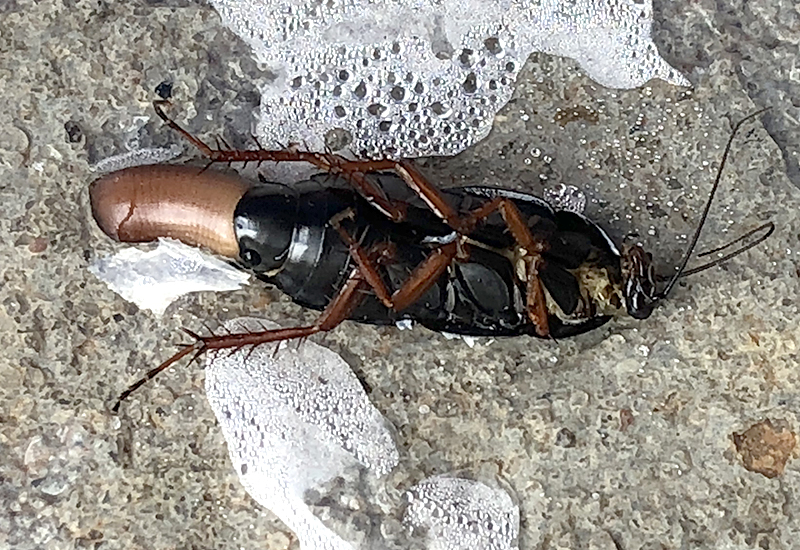
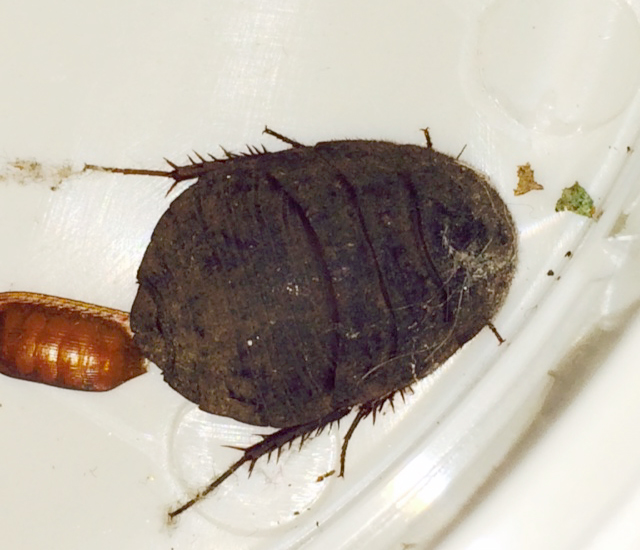
Cockroaches can be a cause for concern when spotted in homes or other spaces, but not every bug that resembles a cockroach is the real deal. In fact, there are numerous bugs that look similar to cockroaches, often causing confusion and panic for those who come across them. In this article, we’ll dive into the world of critters that may be mistaken for cockroaches, arming you with the knowledge to accurately identify them.
Some of these bugs imitate the appearance of cockroaches due to their similar color, size, and shape. Knowing the distinctions between these insects and cockroaches can save homeowners unnecessary stress as well as time and effort spent on extermination efforts. Keep reading to learn more about the bugs that look like cockroaches and how to tell them apart.
Common Bugs that Look Like Cockroaches
Water Bugs and Giant Water Bugs
Water bugs and giant water bugs, often mistaken for cockroaches due to their similar appearance, can be differentiated by their habitat and size. Water bugs, prefer moist and dark environments, while giant water bugs are aquatic insects found in ponds or slow-moving waters.
Features:
- Water bugs: dark brown color, oval body shape, about 1 inch long, a pair of strong forelimbs for catching prey
- Giant water bugs: up to 4 inches long, elongated body, light brown color, powerful jaw for catching prey
Crickets and Palo Verde Beetles
Crickets and Palo Verde beetles are often confused with cockroaches, but can be distinguished by size and habits. Crickets are smaller, nocturnal insects, typically found outdoors, while Palo Verde beetles can grow up to 3 inches long, feed on tree roots, and are attracted to lights at night.
Characteristics:
- Crickets: brown, black, or green color, large back legs for jumping, long antennae, chirping sounds
- Palo Verde beetles: dark brown or black, strong jaws, spiked antennae, large size
Oriental and German Cockroaches
Oriental cockroaches and German cockroaches are two common cockroach species. Oriental cockroaches are darker and larger, while German cockroaches are smaller and have dark stripes on their heads.
Comparison:
| Feature | Oriental Cockroach | German Cockroach |
|---|---|---|
| Size | 1 to 1.25 inches | 0.5 to 0.625 inches |
| Color | Dark brown to black | Tan to light brown |
| Stripes | None | Dark stripes on head |
Termites and Ants
Termites and ants, both resembling cockroaches, have different body structures and habitats. Termites feed on wood, while ants prefer sweet foods and nesting in various environments.
Identifiable Features:
- Termites: broad waist, straight antennae, wings equal in length
- Ants: narrow waist, bent antennae, different sized front and hind wings
Bed Bugs and Earwigs
Bed bugs and earwigs, though similar to cockroaches, are much smaller and exhibit unique features. For example, bed bugs are small, flat, and reddish-brown, while earwigs have elongated bodies and noticeable pincers.
Characteristics:
- Bed bugs: oval, flat, reddish-brown, less than 0.25 inches long, life cycle includes different stages and sizes
- Earwigs: long, slender body, dark-brown color, forcep-like pincers at the end of abdomen
June Bugs and Click Beetles
June bugs and click beetles, often mistaken for cockroaches, can be differentiated by their hardened wing-covers or flattened bodies. June bugs are nocturnal beetles attracted to lights, while click beetles get their name from the clicking sound they make when flipping over.
Features:
- June bugs: green or brown metallic color, stout rounded body, nocturnal habits
- Click beetles: elongated, flattened bodies, brown or black, clicking mechanism
Carpet Beetles and Wood-Boring Beetles
Carpet beetles and wood-boring beetles, although similar in appearance, have distinct habits and habitats. Carpet beetles are primarily indoor pests, feeding on fabric and other materials, while wood-boring beetles are known to damage wooden structures.
Characteristics:
- Carpet beetles: oval bodies, small size, varied colors and patterns, feed on fibers
- Wood-boring beetles: cylindrical body shape, range of sizes, long antennae, tunnel through wood
Identifying Features of Bugs and Cockroaches
Size and Color
- Cockroaches: Typically 0.7 to 3 inches, dark brown or reddish-brown.
- Bugs: Vary in size and color, depending on the type of bug.
Both cockroaches and other bugs have diverse size and color ranges. For example, German cockroaches are usually 0.5 to 0.6 inches long and light brown.
Antennae and Wings
| Feature | Cockroaches | Bugs |
|---|---|---|
| Antennae | Long, thread-like | Vary in length & shape |
| Wings | Membranous or absent | Some have, some don’t |
Cockroaches have long, thread-like antennae while other bugs may have varying antennae shapes. For instance, beetles have shorter, clubbed antennae.
Behavior and Habitat
Cockroaches:
- Nocturnal: prefer dark places.
- Moisture-loving: often found in damp environments.
For example, American cockroaches are commonly found in sewers. Bugs, on the other hand, can differ in behavior and habitat.
Health Concerns and Prevention
Diseases and Allergens
Cockroaches are known to carry various diseases and allergens. For example, they can potentially spread food-borne pathogens such as E. coli and Salmonella. Additionally, their feces, saliva, and shed skin can trigger asthma and allergic reactions.
Some ways to reduce allergens from cockroaches include:
- Regular cleaning
- Vacuuming with a HEPA filter
- Sealing food in airtight containers
Cockroach Infestations
Cockroach infestations are common, especially in schools and other public spaces. There are various types of cockroaches, such as the German cockroach, which is the most prevalent in the United States. Preventing infestations is crucial for maintaining a healthy environment.
Some prevention methods include:
- Regular inspections
- Proper sanitation
- Sealing cracks and gaps
Pros and cons of common prevention methods:
| Method | Pros | Cons |
|---|---|---|
| Chemical pesticides | Effective | Health hazards |
| Traps | Non-toxic | Less effective |
| Natural repellents | Eco-friendly | Limited scope |
Remember, a combination of these practices can help keep cockroach populations under control and maintain public health.
Control and Detection Methods
Sticky Traps and Insecticides
Sticky traps are an effective method for detecting and capturing pests that resemble cockroaches, such as waterbugs, and actual cockroaches. To use, simply place the traps in areas where these insects may be present, such as kitchens, bathrooms, and basements.
Insecticides can also be utilized to address infestations, but it’s essential to select a product specifically made for the targeted pest. Always follow the directions on the insecticide label for the best results.
Features of sticky traps:
- Easy to use
- Non-toxic
- Requires occasional replacement
Features of insecticides:
- Effective for eliminating pests
- Chemical composition
- Requires caution during application
Pros and Cons of Sticky Traps vs. Insecticides
| Method | Pros | Cons |
|---|---|---|
| Sticky Traps | Non-toxic, easy to use | Need replacement, less effective for large infestations |
| Insecticides | More effective for treating large infestations | Can be toxic, requires specific selection and careful usage |
Tips for Keeping Bugs Out of the Home
Here are some quick tips to help prevent pests like cockroaches from entering your home:
- Keep your living space clean and tidy
- Seal all cracks and crevices around windows, doors, and foundations
- Eliminate food sources by storing food in airtight containers and removing any leftover food debris
- Fix any water leaks in pipes and appliances, as pests are attracted to moisture
By taking these measures, you can minimize the chances of attracting bugs that resemble cockroaches and actual cockroaches to your home.