Black swallowtails and tiger swallowtails are two beautiful species of butterflies that are known for their vibrant colors and distinct patterns. Both are large and impressive insects commonly found in fields, meadows, and sunny backyards. As with most species, males and females have slight variations in size and appearance. For instance, female black swallowtails can have a wingspan of 3¼ to 4¼ inches and often showcase more color variations than the males.
While both species share some similarities, they also have unique features that distinguish them from one another. Black swallowtails have yellow, blue, orange, and red colors on their wings, whereas tiger swallowtails have a more yellow-based pattern. Moreover, black swallowtails have yellow spots on their bodies, whereas tiger swallowtails have a yellow streak along each side of the thorax and abdomen. Understanding these differences not only aids in their identification but also helps us appreciate the diversity of the natural world.
Black Swallowtail vs Tiger Swallowtail: Overview
Characteristics of Black Swallowtail
The Black Swallowtail (Papilio polyxenes) is a butterfly species found in various open areas such as fields, meadows, parks, wetlands, prairies, and sunny backyards. Some key features include:
- Adult females tend to be larger than males, with wingspans of 3¼ to 4¼ inches.
- Wings are mainly black with yellow, blue, orange, and red markings.
- Males have more noticeable yellow markings and less blue on their wings than females. Reference
Characteristics of Tiger Swallowtail
Comparatively, the Tiger Swallowtail is another species of swallowtail butterfly with its own unique traits:
Comparison Table
| Feature | Black Swallowtail | Tiger Swallowtail |
|---|---|---|
| Size | Females have a wingspan of 3¼ to 4¼ inches. | Larger than Black Swallowtails. |
| Markings | Black with yellow, blue, orange, and red. | Yellow with black stripes resembling a tiger. |
| Habitat | Fields, meadows, parks, wetlands, prairies. | Forest edges, rivers, and wooded areas. |
In summary, both Black Swallowtail and Tiger Swallowtail butterflies are types of swallowtail butterflies with distinct characteristics. While they share similarities in habitat preferences, they have different color markings and sizes.
Appearance and Identification
Wingspan and Size
- Black Swallowtail: Wingspan 2½ – 3½ inches (6.7 – 8.9 cm)
- Tiger Swallowtail: Larger, typically wingspan around 4 inches
Black Swallowtails and Tiger Swallowtails are large butterflies with noticeable differences in size and markings.
Color Patterns and Markings
Black Swallowtail
- Predominantly black with colorful markings
- Yellow round spots on the body
- Males have a band of bright yellow spots across upperside wings
- Females have less yellow and may lack the heavy yellow band1
Tiger Swallowtail
- Comes in two morphs: yellow and black
- Yellow morph has black stripes, resembling a tiger’s pattern
- Black morph has less prominent markings, but still has yellow streaks on each side of the thorax and abdomen2
Sexual Dimorphism
In both Black and Tiger Swallowtails, females are generally larger than males:
| Black Swallowtail | Tiger Swallowtail | |
|---|---|---|
| Males | Smaller; more yellow on wings; bright yellow spots on upperside wings3 | Smaller; yellow morph with black stripes or black morph |
| Females | Larger; less yellow; blue wash above tails4 | Larger; black morph with less prominent markings; still have yellow streaks5 |
Distribution and Habitat
Range in North America
- Black Swallowtail: Found in open areas across North America, including the United States, Canada, and Mexico.
- Eastern Tiger Swallowtail: Common in the eastern parts of the United States and present east of the Mississippi River. Also found in several Mexican states.
- Western Tiger Swallowtail: Primarily distributed in the western parts of the United States and Canada.
- Canadian Tiger Swallowtail: Widespread in Canada and the northern United States.
Habitat Preferences
Black swallowtails and tiger swallowtails share some habitat preferences:
- Open Areas: Both species are found in open areas such as fields, meadows, parks, wetlands, and prairies.
- Sunny Backyards: Home gardens that get ample sunlight attract both black and tiger swallowtails.
- Forest Edges: Tiger swallowtails, especially eastern and western species, prefer habitats near forest edges.
| Black Swallowtail | Eastern Tiger Swallowtail | Western Tiger Swallowtail | Canadian Tiger Swallowtail | |
|---|---|---|---|---|
| North America | United States, | United States, | United States, | United States, |
| Canada, Mexico | Canada, Mexico | Canada | Canada | |
| Habitats | – Open areas | – Open areas | – Open areas | – Open areas |
| – Sunny backyards | – Sunny backyards | – Sunny backyards | – Sunny backyards | |
| – Forest edges | – Forest edges | – Forest edges+ |
Note: “+” indicates it’s more common for Canadian Tiger Swallowtail compared to other species.
In summary, black swallowtails and tiger swallowtails have overlapping ranges in North America, with habitat preferences that include open areas, sunny backyards, and forest edges. Each species has slightly different distribution patterns throughout the United States, Canada, and Mexico.
Life Cycle and Reproduction
Eggs and Caterpillars
Both Black swallowtail and Tiger swallowtail butterflies lay their eggs on host plants. Black swallowtail eggs are yellow and spherical, while Tiger swallowtail eggs are green. The caterpillars of both species go through various instar stages as they grow.
- Black swallowtail caterpillars:
- Green with black bands on each segment containing yellow-orange spots
- Host plants include parsley, dill, and fennel
- Tiger swallowtail caterpillars:
- Green, camouflaged to resemble bird droppings in early instars
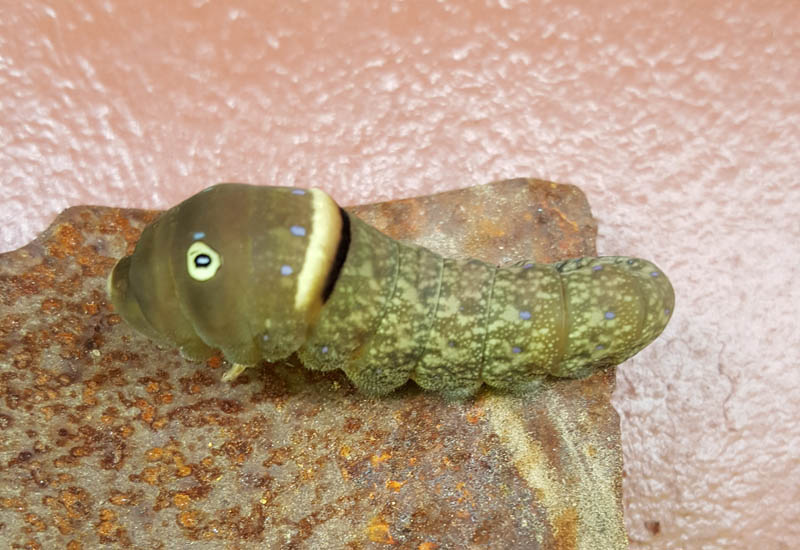
- Older instars become green with two large, black and yellow false eyes
- Host plants include wild cherry, tulip tree, and birch
Pupa and Chrysalis
As they transition to adulthood, both species form chrysalises. Black swallowtail chrysalises can be brown with dark striations or green. Tiger swallowtail chrysalises are typically brown or green, with some individuals blending into tree bark.
Adult Butterflies
Adult Black and Tiger swallowtail butterflies show sexual dimorphism.
- Black swallowtail adults:
- Males have more yellow and less blue on the wings
- Females are larger, with a wingspan of 3¼ to 4¼ inches
- Tiger swallowtail adults:
- Males have bold yellow and black striped wings
- Females come in two forms, yellow or black morphs, displaying different color patterns
Seasonal Broods
Black swallowtail butterflies have 3 or more generations per year, with eggs laid singly on host leaves or flowers. Male Black swallowtails often appear in late April and early May.
Tiger swallowtail butterflies have two to three broods per year. First brood adults emerge in the spring, followed by subsequent broods in the summer and sometimes fall.
Comparison table:
| Feature | Black Swallowtail | Tiger Swallowtail |
|---|---|---|
| Egg color | Yellow | Green |
| Caterpillar appearance | Green with black bands and yellow-orange spots | Green, bird dropping-like (early instars), green with false eyes (older instars) |
| Chrysalis color | Brown with dark striations or green | Brown or green |
| Adult dimorphism | Males have more yellow, females larger | Males have yellow-black stripes, females have yellow or black morphs |
| Seasonal broods | 3 or more per year | 2 to 3 per year |
Feeding and Host Plants
Caterpillar Host Plants
Black swallowtails and tiger swallowtails have different preferences when it comes to their caterpillar host plants.
Black Swallowtail Caterpillars:
- Common host plants include wild cherry, anise, and parsley
- Also known as “Parsley Swallowtail” due to the association with parsley
Tiger Swallowtail Caterpillars:
- Common host plants are tulip trees, aspens, poplars, wild black cherry, ash, and willow
- Eastern Tiger Swallowtails prefer spicebush, cottonwood, and sweet bay magnolia
- Western Tiger Swallowtails favor cottonwoods, aspens, and other trees
| Host Plant Preferences | Black Swallowtail | Tiger Swallowtail |
|---|---|---|
| Trees | Wild cherry | Tulip trees, aspens, poplars, ash, willow |
| Other Plants | Anise, parsley | Spicebush, sweet bay magnolia |
Adult Butterfly Nectar Sources
When it comes to nectar sources, both black swallowtails and tiger swallowtails enjoy a variety of flowers. They mostly prefer flowers with strong scents and bright colors.
Black Swallowtail Nectar Sources:
- Common nectar sources include zinnias, milkweed, and butterfly bush
- Like to visit wetlands, prairies, and meadows
Tiger Swallowtail Nectar Sources:
- Common nectar sources are phlox, Joe-Pye weed, and milkweed
- Found in sunny backyards, parks, and open areas
Both butterflies play a crucial role in pollination, and their feeding habits contribute significantly to their local ecosystems. Providing a diverse range of host plants and nectar sources in your garden can help support these important pollinators.
Protection and Defense Mechanisms
Caterpillar Defense Mechanisms
Both the Black Swallowtail and Tiger Swallowtail caterpillars have unique defense mechanisms to protect themselves from predators.
- Black Swallowtail caterpillars
- Resemble bird droppings in their earlier stages, making them less appealing to predators. In later instars, they develop a colorful pattern and possess an osmeterium, an Y-shaped, fleshy scent gland that releases a foul odor when threatened1.
- Green eggs serve as camouflage on the host plant and help deter predators2.
- Tiger Swallowtail caterpillars
- Also resemble bird droppings in the early stages, which discourages predators3. As they age, tiger swallowtail caterpillars develop an eye pattern that deter potential threats by appearing as larger, more dangerous organisms.
Comparison: Black Swallowtail and Tiger Swallowtail Caterpillar Defense
| Feature | Black Swallowtail | Tiger Swallowtail |
|---|---|---|
| Early Stage Appearance | Bird droppings | Bird droppings |
| Later Stage Appearance | Colorful pattern, osmeterium | Eye pattern |
| Egg Color | Green | N/A |
Adult Butterfly Defense Mechanisms
When comparing the Black Swallowtail and Tiger Swallowtail adult butterflies defense mechanisms, a few noteworthy points stand out.
- Black Swallowtails usually have a wingspan that ranges from 2½ – 3½ inches, with black wings displaying a yellow band and colorful spots, which can confuse predators and ward them off4.
- Tiger Swallowtails are dimorphic, which means they have two distinct color forms, with the various colors and patterns acting as a camouflage, allowing them to blend into their surroundings5. Additionally, swallowtail butterflies are known for their classic tail-shaped extensions on their hindwings, which can imitate antennae and confuse predators about the butterfly’s orientation.
Other Swallowtail Species
Spicebush Swallowtail
The Spicebush Swallowtail (Papilio troilus) is part of the Papilionidae family and is often found in wooded areas. Males and females have distinct markings:
- Males: Black wings with blue iridescence
- Females: Black wings with blue and white spots
This species has a wingspan of approximately 3 to 4 inches and mainly feeds on spicebush plants.
Pipevine Swallowtail
The Pipevine Swallowtail (Battus philenor) is another member of the Papilionidae family. The males and females have similar coloration, but the females are slightly larger:
- Both: Black wings with visible blue iridescence
- Size: Females have a wingspan of 3.5 to 5 inches, males around 2.8 to 4 inches
This species feeds on pipevine plants, which makes them toxic to predators.
Giant Swallowtail
The Giant Swallowtail (Papilio cresphontes) is the largest swallowtail in North America with a wingspan ranging from 4 to 6 inches. They have striking black and yellow wing patterns:
- Wings: Black with bands of yellow
- Tails: Black with blue spots
The Giant Swallowtail is primarily found in gardens and citrus groves.
Two-Tailed Swallowtail
The Two-Tailed Swallowtail (Papilio multicaudata) is unique in having two tails instead of one on each hind wing. This species also features distinctive coloration:
- Wings: Yellow with black stripes
- Tails: Black with blue spots
These butterflies have a wingspan of 3.5 to 5.5 inches and are often found in open woodlands and riparian areas.
Comparison Table:
| Species | Wingspan Range | Wing Coloration | Tails | Preferred Habitat |
|---|---|---|---|---|
| Spicebush Swallowtail | 3-4 inches | M: Black & blue; F: Black, blue & white spots | Blue edges | Wooded areas |
| Pipevine Swallowtail | M: 2.8-4 inches; F: 3.5-5 inches | Black & blue iridescence | Blue edges | Pipevine plants |
| Giant Swallowtail | 4-6 inches | Black & yellow bands | Black & blue spots | Gardens, citrus groves |
| Two-Tailed Swallowtail | 3.5-5.5 inches | Yellow & black stripes | Double black & blue tails | Open woodlands, riparian areas |
Threats and Predators
Common Predators
Black Swallowtail and Tiger Swallowtail butterflies face threats from various predators, like birds and insects. Birds, such as swallows and sparrows, feed on the butterflies, while insects like spiders and praying mantises prey on them as well. Additionally, small mammals and other insects may feed on their eggs, larvae or pupae.
Threats and Conservation Efforts
Habitat loss is a significant threat to both Black Swallowtails and Tiger Swallowtails. Human activities, such as urbanization and deforestation, lead to shrinking habitats and reduced host plants for these butterflies. Pesticides used in agriculture and gardens also negatively affect the butterflies, as they can be toxic to them and their caterpillars.
Conservation efforts include:
- Planting native host plants and nectar sources for caterpillars and adult butterflies
- Reducing pesticide use to minimize harm
- Encouraging habitat restoration in areas affected by human development
| Threats | Black Swallowtail | Tiger Swallowtail |
|---|---|---|
| Birds | Yes | Yes |
| Insects (spiders, praying mantis) | Yes | Yes |
| Habitat loss | Yes | Yes |
| Pesticides | Yes | Yes |
In summary, both Black Swallowtails and Tiger Swallowtails face similar threats and predators, such as birds, insects, habitat loss, and pesticides. Conservation efforts are vital for protecting these species and ensuring their continued survival.
Tips for Identifying Swallowtail Butterflies
Identification Chart
An identification chart can help you differentiate between black swallowtail and tiger swallowtail butterflies. Here’s a comparison table of their features:
| Feature | Black Swallowtail (Papilio polyxenes) | Tiger Swallowtail (Papilio glaucus & Papilio canadensis) |
|---|---|---|
| Males | More noticeable yellow and less blue on wings | Yellow with dark tiger-like stripes |
| Females | Larger, lacks yellow on wings, blue wash above the tails | Yellow or dark forms with blue wash above the “tails” |
| Wing size | 3¼ to 4¼ inches | 3 to 6 inches |
| Hind Wings | Iridescent blue | Iridescent blue |
Common Swallowtail Butterflies at Home
Both black swallowtail and tiger swallowtail butterflies are commonly found in open areas like fields, meadows, and gardens. Let’s take a look at their characteristics:
- Black Swallowtail (Papilio polyxenes)
- Males usually appear in late April to early May.
- Yellow spots on the body.
- Tiger Swallowtail (Papilio glaucus & Papilio canadensis)
- Both morphs have yellow streaks along each side of the thorax and abdomen.
- More common in forests and woodland edges.
Caterpillars of both species have distinct looks during the egg stage:
- Black Swallowtail: Eggs are spherical, pale yellow to orangish, laid singly on host plants.
- Tiger Swallowtail: Eggs are round, greenish-yellow, laid singly on the leaves of host trees.
By comparing these features, you can confidently identify black swallowtail and tiger swallowtail butterflies in your home and surroundings.
Miscellaneous Swallowtail Information
In this section, we will cover various topics related to black swallowtails and tiger swallowtails, including their physical adaptations, interaction with humans, and scientific classification.
Physical Adaptations
Black swallowtails and tiger swallowtails are beautiful butterflies with similar appearances. Here’s a comparison of their physical features:
| Feature | Black Swallowtail | Tiger Swallowtail |
|---|---|---|
| Color | Predominantly black | Yellow with black stripes "or" mostly black (dark morph) |
| Wingspan | 2½ – 3½ inches | 3½ – 4½ inches |
| Yellow Spots | Band across wings | Long streak on sides of thorax and abdomen |
| Blue Wash | Above tails | Only present in dark female morph |
Both species also have long, tubular proboscises for feeding on nectar from flowers. As caterpillars, black swallowtails often have a pale green color, which helps them blend in with leaves.
Interaction with Humans
Black swallowtails and tiger swallowtails can be found in various habitats, such as forests, meadows, parks, and gardens. Both species are drawn to areas with abundant flowering plants, including human-planted gardens. Males of both species have been known to extract sodium from mud puddles, which they require in their diets.
Scientific Classification
Here is the scientific classification for each species:
- Black Swallowtail:
- Kingdom: Animalia
- Phylum: Arthropoda
- Class: Insecta
- Order: Lepidoptera
- Family: Papilionidae
- Genus: Papilio
- Species: P. polyxenes
- Tiger Swallowtail:
- Kingdom: Animalia
- Phylum: Arthropoda
- Class: Insecta
- Order: Lepidoptera
- Family: Papilionidae
- Genus: Papilio
- Species: P. glaucus
Although the two species have distinct appearances, they sometimes interbreed, resulting in hybrids. These hybrids can display characteristics of both parent species. Pheromones play a crucial role in attracting mates, with male butterflies detecting female pheromones from a distance to locate them.
Overall, black swallowtails and tiger swallowtails have distinct physical adaptations, interact with human environments, and follow a similar taxonomy. In summary, these interesting butterflies demonstrate intriguing aspects of the natural world and can be an exciting sight for nature lovers.
Footnotes