Bed bugs and cockroaches are two common household pests that can cause discomfort and frustration for homeowners.
While both are known to inhabit human dwellings, their behaviors and characteristics differ significantly.
In this article, we’ll explore the key differences between bed bugs and cockroaches to help you better understand and deal with these unwelcome visitors.

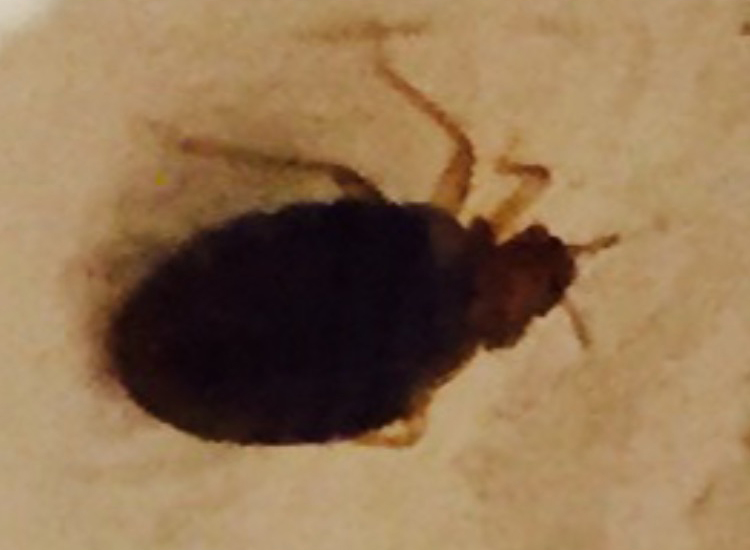
Bed bugs are small, flat, parasitic insects that primarily feed on human blood while people sleep.
These pests are reddish-brown, wingless, and range from 1mm to 7mm in size, enabling them to hide in tiny crevices in mattresses or other furniture.
On the other hand, cockroaches are larger, oval-shaped insects that can vary in size and color, depending on the species. Unlike bed bugs, they are scavengers, feeding on a variety of organic materials, including human and pet food.
While both bed bugs and cockroaches can be difficult to eliminate, their unique features require different approaches to pest control.
For example, bed bug infestations require specialized treatments targeting their hiding spots, whereas cockroach control may involve sanitation measures and the use of insecticides.
Understanding the distinctions between these two pests is essential to addressing an infestation effectively.
Bed Bug vs Cockroach: Key Differences
Appearance and Size
Bed bugs:
- Oval-shaped and flat-bodied
- Reddish-brown in color
- Adults are about 5 mm long
- Wingless
- Nymphs are smaller, ranging from 1mm to 3mm
Cockroaches:
- Cylindrical body, wider towards the head
- Brown or black in color
- Size varies by species (typically 4 cm)
- Two pairs of wings
- Antennae are long and thin
An adult bed bug is roughly the size of an apple seed, while a cockroach can be as small as a penny or as large as a quarter (depending on the species).


Comparison table:
| Bed Bugs | Cockroaches | |
|---|---|---|
| Shape | Oval-shaped and flat | Cylindrical |
| Color | Reddish-brown | Brown or black |
| Size | 1-5 mm | 10-50 mm |
| Wings | None | Two pairs |
| Antennae | Short and stubby | Long and thin |
Habitat and Behavior
Bed bug habitat and behavior:
- Usually found in sleeping areas
- Hide in small crevices and seams of mattresses, furniture, and walls
- Nocturnal and do not fly
- Attracted to warmth, moisture, and carbon dioxide
Cockroach habitat and behavior:
- Can live in various environments (kitchens, bathrooms, and sewers)
- Prefer warm and humid places
- Fast-moving insects
- Nocturnal and hide during the day in cracks or crevices
Feeding Habits
Bed bug feeding habits:
- Feed solely on blood, mainly human
- Bite and cause itchy welts
- Can live several months without feeding

Cockroach feeding habits:
- Omnivorous and eat a wide range of materials (food, paper, dead skin, etc.)
- Contaminate food sources with bacteria
- Contribute to allergic reactions and asthma attacks
Health Risks and Impacts
Disease Transmission
Although bed bugs are not effective vectors of disease, they have been found naturally-infected with blood-borne pathogens.
In contrast, cockroaches have been recognized for their ability to transmit diseases such as dysentery, cholera, and typhoid fever.
They accomplish this by carrying bacteria on their bodies and contaminating food sources, surfaces, and appliances.
Allergies and Asthma
Cockroaches are known to produce allergens through their droppings and cast-off skins, which can trigger allergic reactions and exacerbate asthma symptoms, especially in children.
Bed bugs, on the other hand, pose a minimal risk of triggering allergies or worsening asthma symptoms. Their bites, can, however cause reactions.

Bite Symptoms and Treatments
Bed bug bites can cause varying reactions in individuals, ranging from no visible signs to small bite marks or even severe allergic reactions that may require medical attention.
Itching can occur, and it’s important to resist the urge to scratch to prevent infections. Over-the-counter creams and antihistamines can usually provide relief from bite symptoms.
In contrast, cockroach bites are rare, as they typically avoid biting humans.
In the unlikely event that a cockroach does bite, it can cause minor irritation or swelling, which can be treated similarly to a bed bug bite, using over-the-counter creams and antihistamines if necessary.
Summary of Differences:
- Bed bug bites: small bite marks, itching, possible severe allergic reaction
- Cockroach bites: rare, minor irritation or swelling
Prevention and Control Measures
Home Hygiene and Maintenance
A well-maintained home can prevent bed bugs and cockroaches. Start by:
- Regularly cleaning surfaces and floors
- Disposing of garbage promptly
- Removing clutter that they can hide in
- Fixing leaks to reduce access to water
For example, store food in sealed containers to deter pests and reduce their food sources.
Chemical and Non-Chemical Solutions
Bed Bugs:
- Use mattress encasements
- Apply heat treatment
- Opt for EPA approved pesticides
Cockroaches:
- Use traps and baits
- Apply insecticides
- Utilize sticky traps for monitoring
Pros:
- Effective at reducing pest populations
- Wide range of products/methods available
Cons:
- Some chemicals can be harmful to humans and pets
- Pests may develop resistance to chemicals
Sealing and Exclusion Strategies
An effective prevention is sealing entry points and doing proper exclusion tactics:
- Caulking cracks and crevices
- Sealing gaps around plumbing and wiring
- Installing door sweeps and weather strips
For example, sealing a hole around a pipe can prevent pests from entering your home.
Here’s a comparison table between bed bugs and cockroaches:
| Feature | Bed Bugs | Cockroaches |
|---|---|---|
| Size | 1mm-7mm | Baby: 3mm; Adult: 13-16mm |
| Appearance | Small, flat, reddish-brown | Oval-shaped, reddish-brown |
| Habitat | Mattresses, furniture, luggage | Kitchens, bathrooms, hidden |
| Treatment | Mattress covers, heat, EPA insecticides | Traps, baits, insecticides |
| Prevention | Sealing, frequent cleaning | Hygiene, sealing, exclusion |
[sc name=”bugquiz” ][/sc]
Conclusion
Bed bugs and cockroaches are two distinct pests that homeowners often encounter. While both can infest homes, they differ in behavior, appearance, and habitat.
Bed bugs are small, reddish-brown insects that feed on human blood, primarily during sleep, and are often found in sleeping areas.
Cockroaches, on the other hand, are larger, scavengers, and can inhabit various environments, including kitchens and bathrooms. Differentiating between their bites and understanding their unique characteristics is crucial.
While bed bugs are not effective disease vectors, cockroaches can transmit diseases like dysentery and cholera.
Proper identification and understanding of these pests are essential for effective prevention and control.