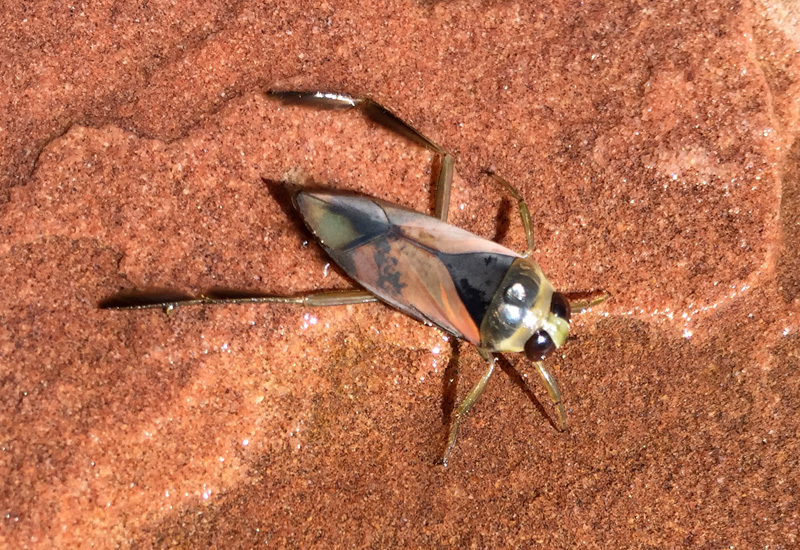
Backswimmers are unique aquatic insects known for their upside-down swimming style.
They are often found in freshwater ponds, lakes, and swimming pools.
While these insects are known for their fascinating appearance and behavior, some may wonder if their bite poses any danger to humans.
The backswimmer’s bite can indeed be painful, as the insect does inject venom during its feeding process on prey.
However, the venom is not dangerous to humans, except in very rare cases where an individual might experience an allergic reaction.

For the majority of people, the pain and discomfort from a backswimmer bite will subside within a few hours.
Comparing backswimmer bites to other insect bites, they are generally less worrisome than mosquito bites or venomous snake bites.
While it’s an unpleasant experience, a backswimmer bite is typically not poisonous or dangerous to humans, and simple first aid measures should alleviate any discomfort.
Backswimmer Bite: Is it Poisonous?
Pain and Reaction
Backswimmer bites can be quite painful due to the insect’s toxic saliva. The initial sensation may feel like a sharp, burning sensation at the site of the bite.
Some people may experience a more severe reaction if they are particularly sensitive to the toxin.
Toxic Saliva and Severity
Although the saliva is not considered poisonous, it can still cause discomfort.
The severity of the reaction can vary, but it should be noted that the bite is not life-threatening.

Treating a Backswimmer Bite
When treating a backswimmer bite, follow these steps:
- Clean the affected area: Use soap and water to prevent infection.
- Apply a cold compress: This helps reduce pain and swelling.
- Consider over-the-counter pain relievers: If the pain persists, consider using pain relievers such as ibuprofen.
Comparison Table
| Feature | Backswimmer Bite | Honey Bee Sting |
|---|---|---|
| Pain | Yes | Yes |
| Poisonous | No | Yes |
| Severity | Varies | Varies |
| Risk of Severe Reaction | Lower | Higher |
| Treatment Difficulty | Easy | Easy |
Where Can You Find Backswimmers in Residential Areas?
Swimming Pools and Backswimmers
Backswimmers are attracted to residential swimming pools primarily for two reasons:
- Artificial lights: These insects are drawn to the bright lights around pools at night. They have wings and can fly towards the light
- Air bubbles: The presence of bubbles in the water may indicate a food source for backswimmers.
These pesky insects should be kept out of pools to avoid unpleasant encounters with swimmers.
Controlling Backswimmers in Your Pool
Here are some effective ways to manage backswimmers in your swimming pool:
- Use pool covers: When not in use, cover your pool to reduce the attraction of artificial lights and to prevent insects from entering the water.
- Maintain pool chemistry: Regularly monitor and adjust the chemical balance of your pool to deter backswimmers from breeding.
- Remove debris: Clear out any floating debris and keep nearby vegetation trimmed, as this can be a potential breeding ground for aquatic insects.
| Method | Pros | Cons |
|---|---|---|
| Pool covers | Prevent entry, reduce light exposure | May require manual installation |
| Maintaining chemistry | Deters breeding | Constant monitoring and adjustments |
| Removing debris | Eliminates breeding grounds | Needs regular cleaning |
Remember to keep an eye on your pool and its surroundings to maintain a backswimmer-free environment.
[sc name=”bugquiz” ][/sc]
Conclusion
Backswimmers can bite humans if handled or disturbed. Backswimmer bites are not poisonous, but they are venomous.
This means that they inject a substance into the victim, rather than being ingested or absorbed by the victim.
The substance is a digestive enzyme that helps the backswimmer dissolve and consume its prey.
The enzyme can cause pain, swelling, itching, and redness in humans. Their bites can be treated with cold compresses, antihistamines, and painkillers.
Backswimmers are often found in pools near residential areas, and you should avoid contact with them by regularly cleaning the pool and maintaining the pool chemistry.


