Axolotl owners are always worried about what to feed their cute pet. Can axolotls eat hornworms? What kinds can they eat, and how much? We answer all of these questions in the article below.
Axolotls are cute-looking amphibians that have been declared critically endangered animals by IUCN. Currently, only between 50 to 1,000 Axolotls exist in the wild.
But many people keep them as pets, and they are quite common in captivity. It is natural for pet owners to want to understand their diet and answer the titular question – yes, axolotls can eat hornworms and other worms.
We will look at some important aspects of feeding hornworms to axolotls in this article.

Can Axolotl Eat Hornworms?
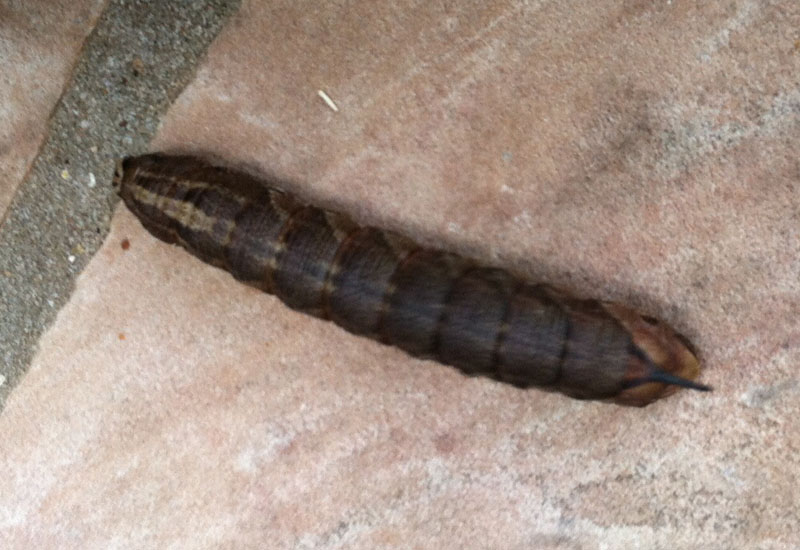
Yes, Axolotls can eat hornworms as occasional treats. But they could choke on full-sized hornworms. Hornworms can grow longer than an Axolotl’s head.
Fully grown hornworms can be up to four inches long, so it would be best to feed your pet Axolotl hornworms that are still in their larval stage.
How Many Hornworms Can You Feed Them?
You can feed your axolotl a meal consisting of various insects, including hornworms, crickets, and mealworms, once or twice a week.
Some axolotl owners prefer feeding their pets larvae of hornworms twice a day in small quantities as an occasional treat.
Feeding them insects provides axolotls with essential nutrients. However, make sure never to overfeed them, especially babies.
One thumb rule to follow when feeding your Axolotl is to feed once a day if the tank is smaller than 5 gallons. If your axolotl tank is larger, you should feed your pet twice daily.
How To Stop Them From Eating Too Many?
Axolotls are voracious eaters and eat most of the things you give them in their tank. You need to be wise and put only a small amount of food in the tank, or else they might get sick due to overeating.
How much you should feed them depends on their age and size.
Additionally, an active axolotl would need more food than an axolotl that is less active throughout the day.
They can easily digest insects such as crickets, brine shrimp, and small worms. Insects should be given only as treats in small quantities, not on a regular basis.
You might notice your pet sitting at the bottom of the tank if they overeat. That should indicate that you must remove all food substances from its tank.

Do Axolotls Get Impaction From Hornworms?
Axolotls can and will eat anything you put in their tank, including dirt, small stones, and other deposits. These substances often block their digestive tract, causing impaction (a type of blockage).
If you buy hornworm larvae from a trusted store, they are unlikely to cause this condition in axolotls. However, hornworms found in the wild can harm your axolotls (because they contain toxins).
As a result, food substances do not get a way out of the body and start to rot. This can cause serious health hazards in axolotls.
If this happens, you might notice your axolotl sitting at the bottom of the tank for a long time with the tip of its tail curled up. It would not pass any stool and might also become bloated.
This means it cannot move its body upwards and might even suffer oxygen deficiency.
Can Baby Axolotls Eat Hornworms?
Baby axolotls can eat hornworms. Hornworms do not have a hard exoskeleton like other insects, so they are easier to eat and digest. Hornworms are also an excellent source of protein, moisture, and calcium.
You should start by giving frozen or dried hornworms to your baby axolotls to get them accustomed to this food option.
Moreover, live hornworms may have various pathogens within them or on their body that die once dried or frozen. You can use a modal window (dialog window) to introduce food to the baby axolotl’s tank.
What Kind of Hornworms Can Axolotl Eat?
Axolotls can feed on most types of worms, including most species of hornworms. They can consume live, frozen, and dried hornworms. Axolotls are carnivorous and enjoy feeding on insects but cannot digest plants or leafy greens.
However, hornworms in the wild might have harmful chemicals such as insecticides and pesticides, which can be fatal for axolotls.
Dry Hornworms
The best way to introduce these worms to your axolotl’s diet is by giving them dry hornworms from stores. They would be free of any chemicals and pathogens.
However, note that dry hornworms don’t contain moisture; moreover, they might stick on the tank’s walls, making it difficult for your axolotls to catch them.
Frozen Hornworms
Frozen hornworms are easily available in pet stores. They can be a good option if fresh ones are unavailable or if you want to introduce insects to your young axolotl.
Moreover, live worms carry pathogens that die on freezing. Axolotls can digest frozen hornworms, but you must keep the amount in check. Axolotls tend to overeat and often end up being sick due to overeating.

Do Axolotls Normally Eat Hornworms?
Axolotls are carnivorous amphibians, and in the wild, they prey on almost any species that are smaller than them. The diet of wild Axolotls mainly consists of insects and worms.
They feed on insects such as crickets, grasshoppers, and some worms, including earthworms, mealworms, and dendrobaena worms. As an axolotl owner, you should try mimicking your pet’s diet in the wild.
Apart from insects, axolotls feed on small fish, crabs, shrimps, and other smaller amphibians such as salamanders. Some axolotls feed on caterpillars like hornworms, while others do not. Although axolotls are gluttonous animals, some species can be picky eaters.
Are Hornworms Poisonous to Axolotls?
No, hornworms are not poisonous to axolotls. Hornworms can be toxic for human consumption and lead to nausea, diarrhea, and vomiting. In contrast, hornworms are considered nutritious for axolotls.
But you should not give hornworms that you catch from the wild and whose origin you do not know.
Some varieties are known to contain toxins, while others may have consumed insecticides and pesticides. These hornworms could be dangerous for your axolotl.
So, it would be best if you stick to buying young hornworms at the larval stage or frozen and dried hornworms that are easily available in pet stores quite cheap.
Frequently Asked Questions
What type of worms can axolotls eat?
Axolotls are carnivorous and eat various worms, including earthworms, hornworms, mealworms, etc. Dendrobaena worms are considered the best food source for axolotls.
You should cut bigger worms such as hornworms and Dendrobaena worms into small pieces so that your axolotls can easily swallow them.
What insects can axolotls eat?
Yes, Axolotls feed on a variety of insects and their larvae. They feed on worms, snails, ghost shrimps, and even tadpoles of other smaller amphibians.
Their diet mainly consists of various worms, such as mealworms, hornworms, and Dendrobaena worms.
Can axolotls eat live worms?
They can eat live worms after they are three months old. To accustom your axolotl to insects, first, provide frozen or dried insects and gradually move towards a live meal consisting of live worms and other nutritious food options.
Can axolotls eat caterpillars?
It is best if you don’t feed your axolotl any caterpillars that you’ve found in your garden or caught in the wild.
Some caterpillars, such as hornworms, are easily available in pet stores. You can provide these to your axolotl as a good source of protein.
Wrap Up
Axolotls aren’t picky eaters and feed on many insects, worms, small fishes, and amphibians. But owners need to be careful as they tend to overeat.
Hornworms are a good source of protein for axolotls, and you can provide them to your axolotl as a part of a diet of several species of insects. Make sure not to give them hornworms caught in the wild because those may contain toxins.
Thank you for reading!